
Old Delhi: Food & Spice Market Tour with Anthropologist Guide
 Super deal


Summary
Old Delhi food tour with tuk-tuk rides, spice market stories and local faiths
You’ll walk Old Delhi’s maze-like streets with an anthropologist guide who grew up here, taste fresh samosas and jalebi from a historic shop, ride tuk-tuks through tangled alleys, visit a Sikh gurudwara’s kitchen to see community meals in action, and step into Asia’s largest spice market before ending at Jama Masjid—expect sensory overload and real moments you’ll remember long after.
 2h–3h
2h–3h

Step-by-step itinerary
Day 1 — Explore Old Delhi's culture and markets
- Begin near the Red Fort
- Walk through Chandni Chowk's multi-faith street
- Taste samosa and jalebi at historic shop
- Visit Sikh gurudwara and community kitchen
- Visit peaceful Jain temple
- Ride tuk-tuk through Old Delhi lanes
- Explore Khari Baoli spice market and taste spices
- End at Jama Masjid mosque

Top questions

How long does the Old Delhi food & spice market tour take?
The experience typically lasts around half a day, including walking and tuk-tuk rides through Old Delhi.
Is food included on this Old Delhi tour?
Yes, tastings of samosa and jalebi from a historic shop are included; participation is optional.
Does this tour include visiting Jama Masjid?
Yes, the walk ends at Jama Masjid after exploring other key sites in Old Delhi.
Can children join this Old Delhi food tour?
Yes, infants and small children can join; prams or strollers are allowed.
Who leads the Old Delhi food & spice market tour?
The tour is led by Anas Khan, an anthropologist and local heritage expert who grew up in Old Delhi.
Is transportation provided during the tour?
Tuk-tuk rides through Old Delhi are included as part of the experience.
Are there vegetarian options available during tastings?
Samosa and jalebi are vegetarian; guests may opt out if they prefer not to eat during tastings.
What languages is the tour conducted in?
The main language is English; check directly for other language availability if needed.

What’s included
Your day includes guided walks led by an anthropologist who knows these streets inside out, samosa and jalebi tastings from a historic shop (if you want), bottled water to keep you going, entry into a Sikh gurudwara with access to its community kitchen, all tuk-tuk rides weaving through Old Delhi’s narrow lanes—and coffee or tea along the way if you fancy it.

I almost lost my shoe stepping out of the tuk-tuk near Chandni Chowk — the driver just grinned and shouted something over the traffic, like this was totally normal. Our guide Anas (who grew up here and apparently knows every alley) waved us across a river of rickshaws. I’d read about Old Delhi food tours, but nothing really prepares you for the mix of incense, frying batter, and that sharp tang of spices in the air. It’s loud, crowded, but also kind of electric — even at 9am.
Anas started off with stories about Shahjahanabad’s history while we dodged carts stacked with marigolds. He pointed out a Hindu temple squeezed right between a mosque and a church — I blinked twice because I honestly wouldn’t have noticed otherwise. We ducked into this old sweet shop (since 1890!) for samosas so hot they nearly burned my fingers. The jalebi was sticky-sweet and somehow made me nostalgic for something I’d never tasted before. There was this old man at the counter who nodded when I tried to say thank you in Hindi — probably butchered it.
The Sikh gurudwara was next. You can hear the prayers before you even see the marble steps. Inside the community kitchen, volunteers were rolling dough for what looked like hundreds of rotis. The smell of chai mixed with steam from giant pots — it felt both sacred and familiar, even though I’m not religious. Anas explained how anyone can eat here, no questions asked. That stuck with me more than I expected.
Later we zipped through lanes on another tuk-tuk ride (I clung to my bag this time). The Khari Baoli spice market is wild — sacks of turmeric and dried rose petals everywhere, people shouting prices over each other, my nose tingling from all the chili dust in the air. It’s chaotic but somehow makes sense when you’re in it. We ended at Jama Masjid just as afternoon light hit the red sandstone — there was this quiet moment where everything felt slower for once. I still think about that view sometimes.
Similar tours
 Delhi: Old & New City Private Tour with Rickshaw Ride
★★★★★★★★★★ 4.92 (423) From US$ 10
Delhi: Old & New City Private Tour with Rickshaw Ride
★★★★★★★★★★ 4.92 (423) From US$ 10
 Delhi: Old & New Delhi Day Tour with Tuk Tuk Ride & Pickup
★★★★★★★★★★ 4.95 (1066) From US$ 20
Delhi: Old & New Delhi Day Tour with Tuk Tuk Ride & Pickup
★★★★★★★★★★ 4.95 (1066) From US$ 20
 Delhi: Old & New City Tour with Tuk-Tuk, Entry Fees & Pickup
★★★★★★★★★★ 4.88 (5268) From US$ 37
Delhi: Old & New City Tour with Tuk-Tuk, Entry Fees & Pickup
★★★★★★★★★★ 4.88 (5268) From US$ 37
 Golden Triangle: Delhi, Agra & Jaipur Private 3-Day Tour by Car
★★★★★★★★★★ 4.93 (1174) From US$ 135
Golden Triangle: Delhi, Agra & Jaipur Private 3-Day Tour by Car
★★★★★★★★★★ 4.93 (1174) From US$ 135
 Delhi, Agra & Jaipur: Private Golden Triangle Tour by Car
★★★★★★★★★★ 4.93 (465) From US$ 161
Delhi, Agra & Jaipur: Private Golden Triangle Tour by Car
★★★★★★★★★★ 4.93 (465) From US$ 161
 Delhi: Old & New City Private Tour with Tuk-Tuk Ride & Entry Fees
★★★★★★★★★★ 4.95 (398) From US$ 21
Delhi: Old & New City Private Tour with Tuk-Tuk Ride & Entry Fees
★★★★★★★★★★ 4.95 (398) From US$ 21
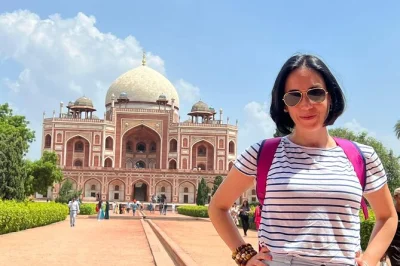 Delhi: Old & New City Private Tour with Hotel Pickup
★★★★★★★★★★ 4.91 (2502) From US$ 20
Delhi: Old & New City Private Tour with Hotel Pickup
★★★★★★★★★★ 4.91 (2502) From US$ 20
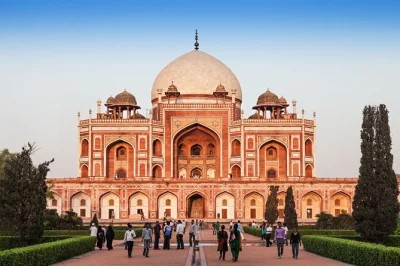 Delhi: Private City Tour with Old & New Delhi, AC Car & Pickup
★★★★★★★★★★ 4.95 (1966) From US$ 37
Delhi: Private City Tour with Old & New Delhi, AC Car & Pickup
★★★★★★★★★★ 4.95 (1966) From US$ 37
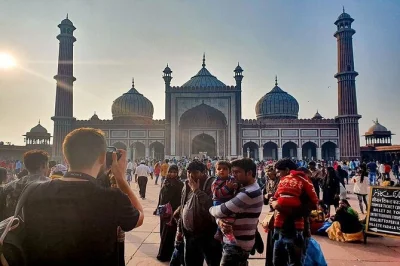 Delhi: Old & New City Full Day Tour with Rickshaw Ride
★★★★★★★★★★ 4.93 (184) From US$ 22
Delhi: Old & New City Full Day Tour with Rickshaw Ride
★★★★★★★★★★ 4.93 (184) From US$ 22
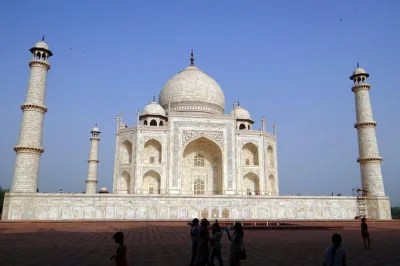 Golden Triangle: Private 5-Day Tour Taj Mahal, Jaipur & Delhi
★★★★★★★★★★ 4.90 (160) From US$ 184.06
Golden Triangle: Private 5-Day Tour Taj Mahal, Jaipur & Delhi
★★★★★★★★★★ 4.90 (160) From US$ 184.06
 Delhi: Old & New Delhi Private Tour with Tuk-Tuk Ride
★★★★★★★★★★ 4.98 (113) From US$ 4.50
Delhi: Old & New Delhi Private Tour with Tuk-Tuk Ride
★★★★★★★★★★ 4.98 (113) From US$ 4.50
 Delhi Chandni Chowk: Food walk with spice market & tea
★★★★★★★★★★ 4.97 (91) From US$ 45
Delhi Chandni Chowk: Food walk with spice market & tea
★★★★★★★★★★ 4.97 (91) From US$ 45


 Do you need help planning your next activity?


