

 +507 6792-0894


Mumbai Private City Tour with Dharavi Walk & Ferry Ride



Summary
Full-Day Mumbai Tour: Dharavi, Gateway of India & More
You’ll see Mumbai through local eyes—historic train stations, coastal views from a ferry (or Taj Palace if it rains), vibrant street life, and an honest look inside Dharavi’s community. It’s not just sightseeing; it’s feeling the city’s pulse up close.

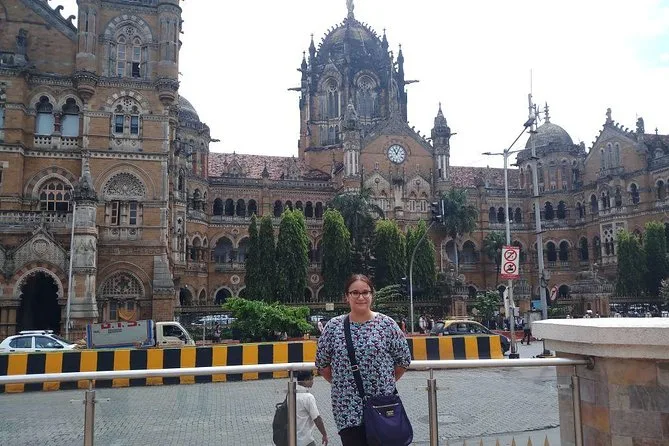
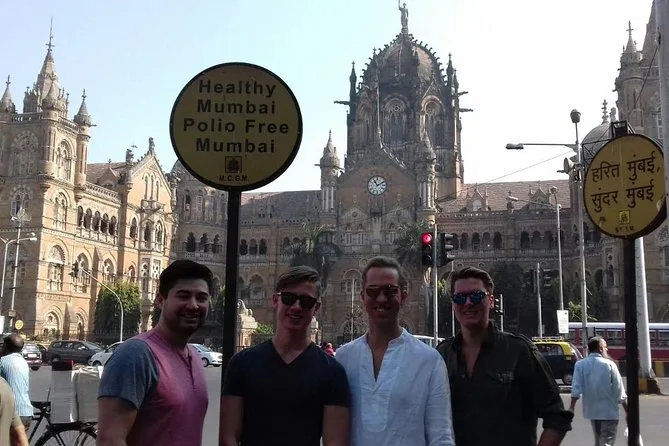
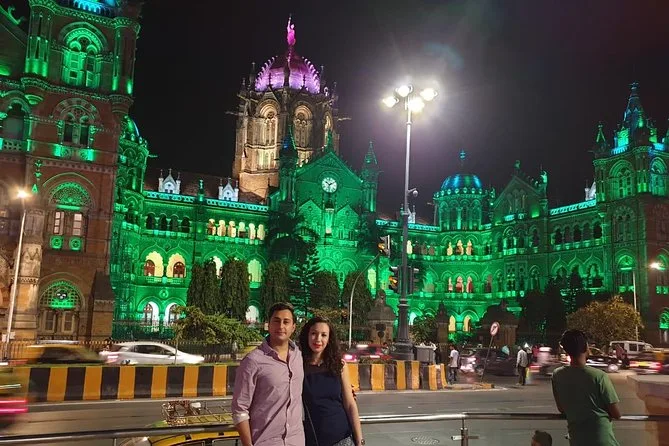
Right from the start, Mumbai felt alive—horns blaring, chai vendors calling out, the air thick with a mix of sea breeze and street food. Our guide, Sameer, met us at the hotel lobby just after breakfast. He had that easy way locals do, weaving stories as we zipped through Colaba’s narrow lanes. First stop: Chhatrapati Shivaji Maharaj Terminus. The Gothic arches and stained glass looked even more dramatic in the morning haze. Commuters rushed past, but we paused to admire the old stone carvings. Sameer pointed out the figure of Progress on the dome—something I’d have missed on my own.
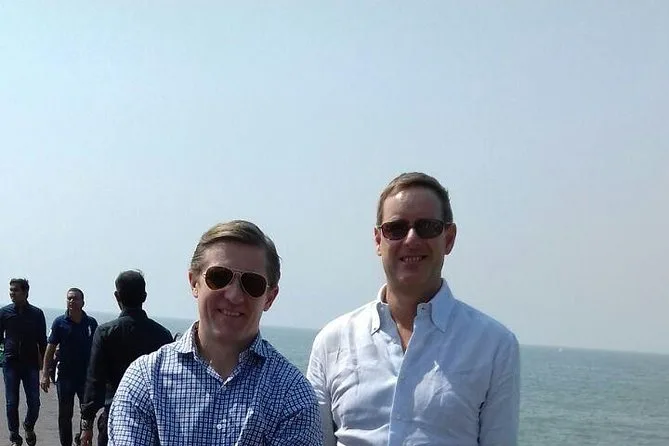
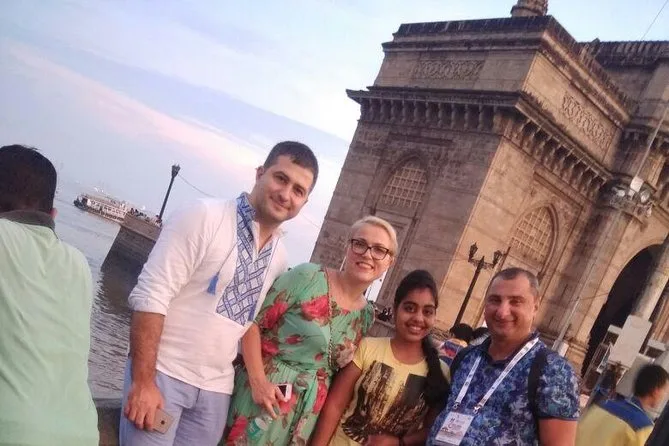
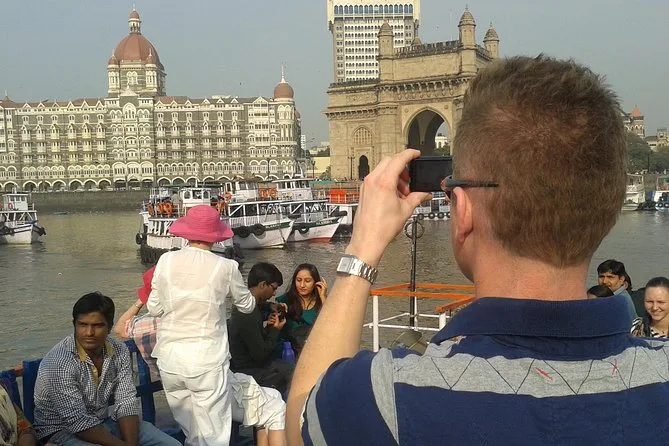
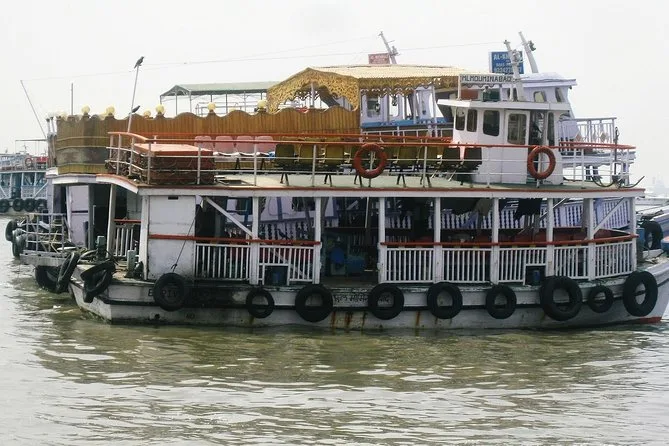
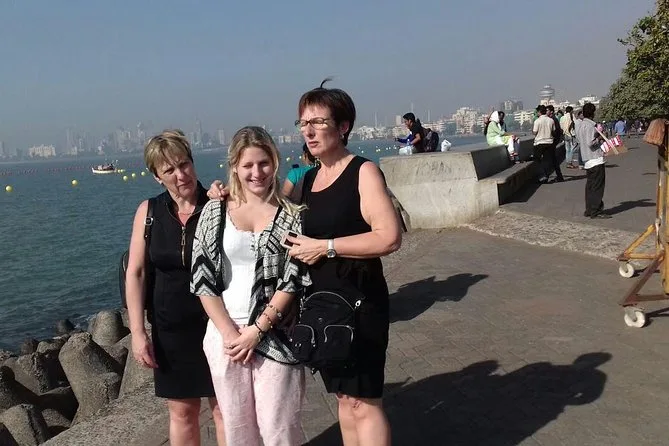
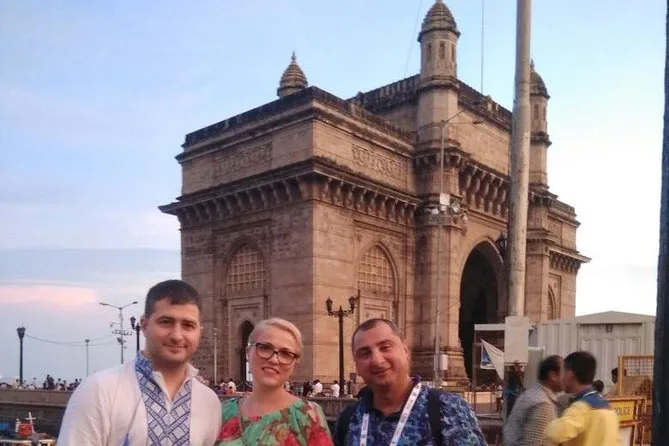
The Gateway of India was next. Pigeons everywhere. You could hear the slap of waves against Apollo Bunder. We hopped onto a ferry (unless it’s monsoon season—then you’ll get an inside peek at the Taj Mahal Palace or some snacks instead). Out on the water, Mumbai’s skyline looked completely different—less chaotic, almost peaceful for a moment. Back on land, Marine Drive’s curve stretched out ahead. We strolled along the promenade, watching locals jog and couples sharing bhel puri on the sea wall. There’s this salty tang in the air that sticks with you.
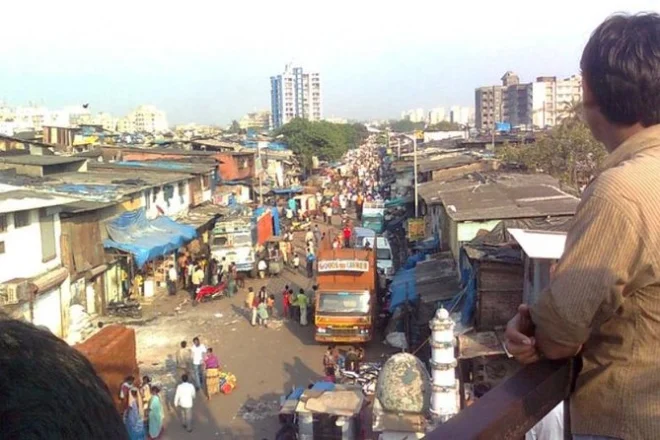
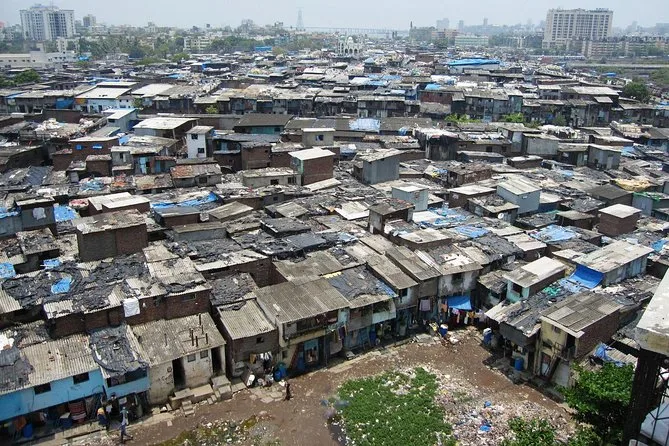
Lunch was somewhere small in Girgaon—nothing fancy, just thalis and cold limbu pani. Then came Dharavi. I’ll admit I was nervous, but walking through those narrow alleys changed my perspective. Kids played cricket in tiny courtyards; women chatted as they sorted plastic for recycling. Our local guide grew up here—he knew everyone, even pointed out his old school tucked behind a row of workshops. No photos allowed, but honestly, it felt right to just be present.
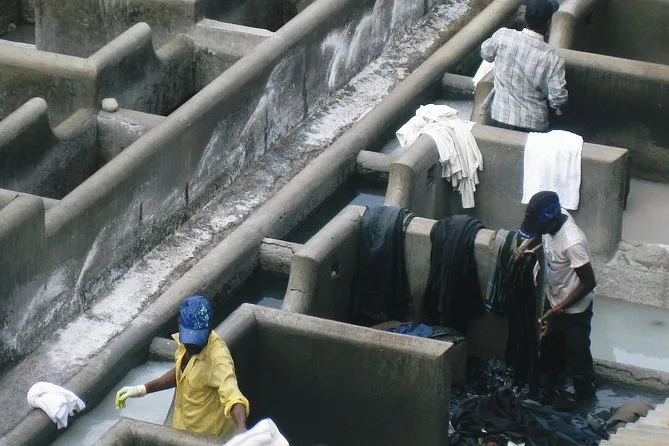
Dhobi Ghat was wild—rows of laundry flapping in the sun, men beating shirts on stones, steam rising from vats of starch. The rhythm of it all is hypnotic. Later at Hanging Gardens, we caught our breath under old banyan trees and watched the sun dip behind Malabar Hill. If you’re lucky with timing, Mani Bhavan is worth a stop too—Gandhi’s spinning wheel sits quietly upstairs, surrounded by shelves of books and faded photos.
 8h
8h

Step-by-step itinerary
Day 1 — Mumbai City Highlights and Dharavi Walk
- Visit Gateway of India
- Ferry ride along Mumbai coast
- Walk along Marine Drive
- Explore Hanging Gardens
- Tour Mani Bhavan Gandhi Museum
- See Chhatrapati Shivaji Maharaj Terminus
- View Dhobi Ghat laundry area
- Visit Victorian and Art Deco buildings
- Walking tour inside Dharavi Slum

Top questions

Is photography allowed during the Dharavi slum walk?
No, photography isn’t permitted inside Dharavi to respect residents’ privacy.
What happens if the ferry ride is canceled due to monsoon?
If ferries aren’t running (July 1–Sept 15), you’ll visit inside the Taj Mahal Palace or get snacks instead.
Will Mani Bhavan be included if I book an afternoon tour?
If your tour starts after 4 PM, Mani Bhavan won’t be included due to closing hours.
Is this tour suitable for people with limited mobility?
The Dharavi walk involves uneven surfaces and isn’t recommended for those with walking disabilities or wheelchairs.

What’s included
Your day includes pickup and drop-off from your hotel (or port/airport), all entrance fees covered, bottled water to keep you cool, private air-conditioned car transport throughout Mumbai, and a friendly local guide who knows every shortcut and story worth hearing.
 Super deal
  Free booking, free cancellation.
  Don't lose your place.


 Do you need help planning your next activity?
  +507 6792-0894


