

 +507 6792-0894


Mumbai: Dabbawala, Dhobi Ghat & Dharavi Tour by Train




Summary
Meet Mumbai’s dabbawalas, see Dhobi Ghat laundry, explore Dharavi
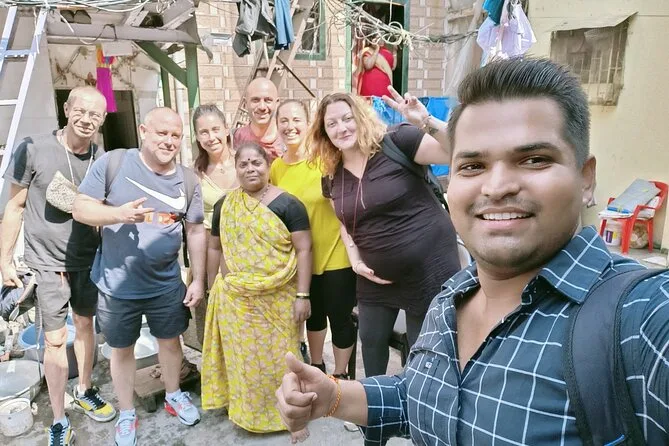
You’ll step into Mumbai’s daily life alongside dabbawalas balancing lunchboxes through crowds, watch dhobis at Dhobi Ghat scrub clothes under open sky, and wander Dharavi’s maze of workshops with a guide who calls it home. Expect laughter, new smells (some good!), and moments that stick with you long after you’ve left.

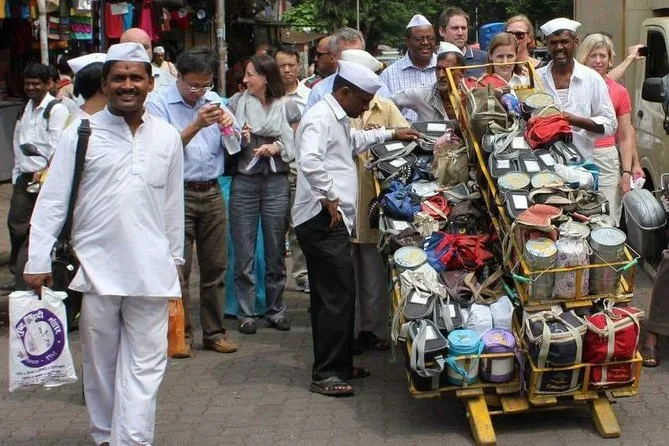
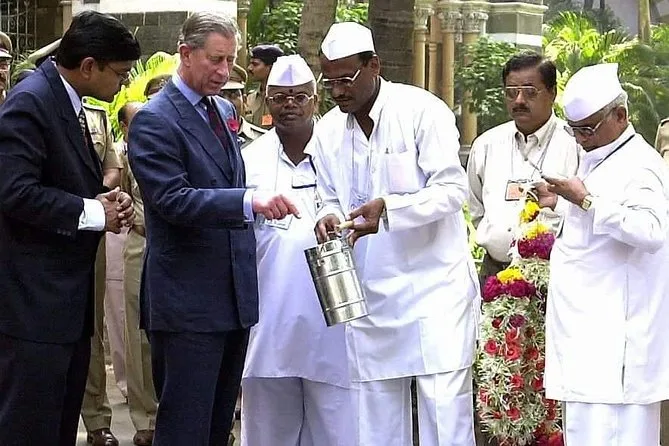
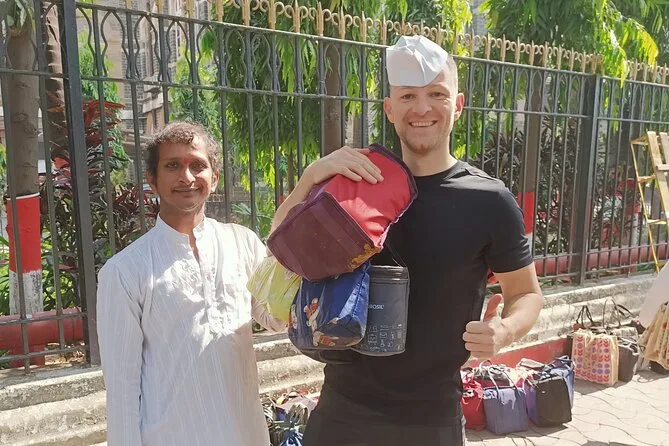
The first thing I noticed stepping out at Mahalaxmi station was the sound — trains rumbling behind us, voices everywhere, and the clang of metal lunchboxes. Our guide, Sameer, waved us over with a grin and a quick “Chalo!” (let’s go). He grew up in Dharavi, he told us later — but right then he was all energy, pointing out the dabbawalas weaving through the crowd. Their white Gandhi caps bobbed above everyone else. I tried to count how many tiffins they carried on those battered bikes but lost track after six or seven. The smell of chai mixed with something fried drifted over from a street cart. I didn’t expect to feel so… swept along.
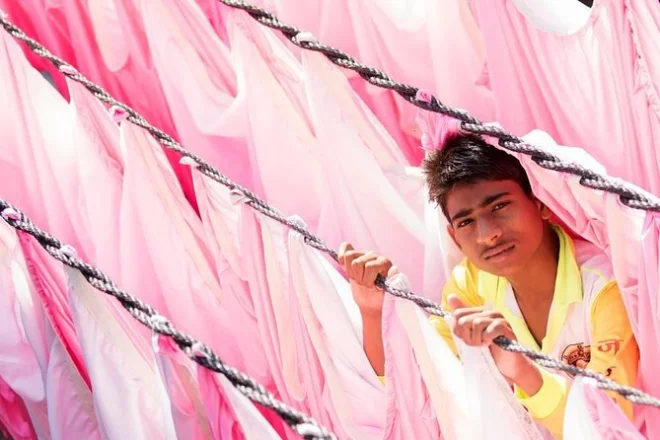
We hopped the local train (I clung to the rail — it moves fast) and got off near Dhobi Ghat. You could hear water slapping stone before you saw anything. Rows and rows of concrete pens stretched out below the bridge; men in faded shirts thwacking sheets against stones, soap suds flying up in little bursts. Sameer explained how families have worked here for generations — “My uncle’s friend is down there,” he said, waving at a man who grinned back without missing a beat scrubbing a shirt. The air smelled like detergent and sun-warmed cotton. It’s hard to describe how busy it felt — like every square meter had its own rhythm.
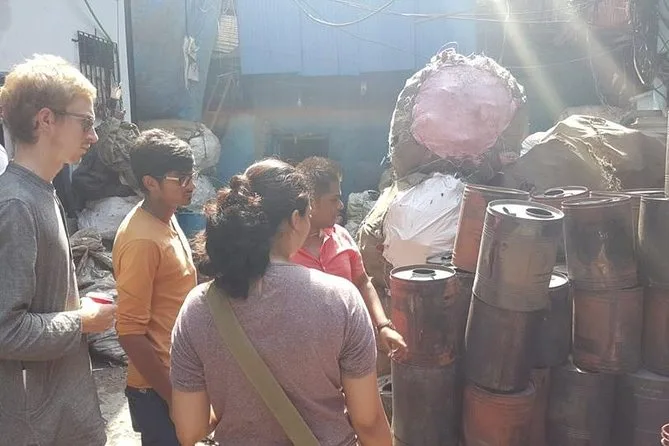
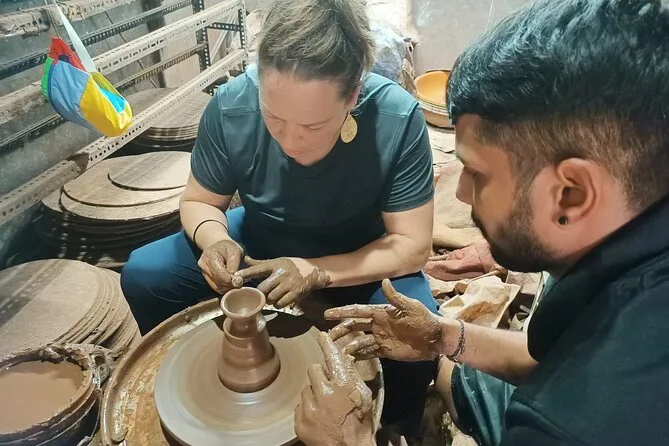
Dharavi was next. I’ll admit I felt nervous at first — you hear so much about it being Asia’s largest slum — but walking those narrow alleys with Sameer changed my mind. Kids darted past us chasing a plastic ball; someone offered us warm bread from a bakery window (I took one bite and burned my tongue). We ducked into tiny workshops: leather goods piled high, men dyeing cloth bright blue in buckets barely bigger than bathtubs. Sameer pointed out where Slumdog Millionaire was filmed — “That corner,” he laughed, “but now it’s a shop.” There was this moment where we watched women making soap by hand while Bollywood music played somewhere behind us… I still think about that.
I can’t say I understood everything — sometimes people spoke too fast or switched between Hindi and Marathi mid-sentence — but that felt honest too. By the end, when we squeezed back onto the train heading home, I realized Mumbai isn’t just big buildings or traffic jams; it’s these small stories stitched together by people who know every shortcut and secret alleyway. So yeah, if you want to see Mumbai differently, this tour does that.
 4h
4h

Step-by-step itinerary
Day 1 — Explore Mumbai's unique local culture
- Meet the Dabbawalas of Mumbai
- Visit Dhobi Ghat open-air laundry
- Tour Dharavi slum and markets

Top questions

What is included in the Dabbawala, Dhobi Ghat & Dharavi tour?
The tour includes all transport by local train and guidance from a knowledgeable local guide throughout your visit.
How long does the day trip to Dharavi from Mumbai take?
The full experience typically lasts several hours including visits to all main sites and travel time by train.
Is lunch provided on this Mumbai tour?
No set lunch is included but you may be offered snacks or bread during your walk through Dharavi.
Do guides on this tour live in Dharavi?
Yes, guides themselves are residents of Dharavi and share their personal insights during the tour.
Is public transportation used during this tour?
Yes, part of the experience is traveling by Mumbai’s local train system between sites.
Are there any physical requirements for joining?
The tour is suitable for all fitness levels but involves walking through narrow alleys and boarding trains.
Can I see where Slumdog Millionaire was filmed?
Yes, your guide will point out filming locations from Slumdog Millionaire within Dharavi.
What do dabbawalas do in Mumbai?
Dabbawalas deliver thousands of homemade lunches across Mumbai each day using an efficient hand-to-hand system.

What’s included
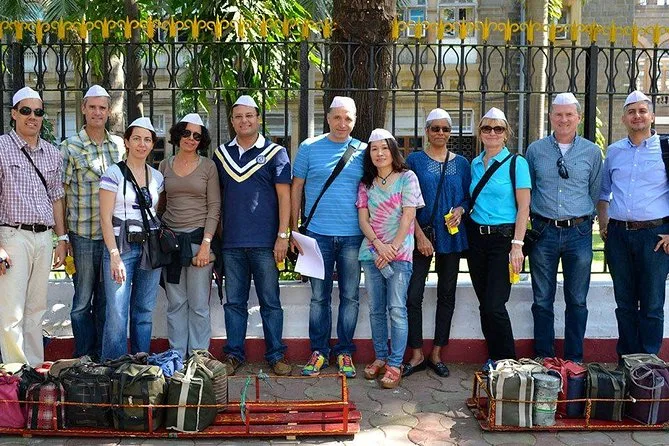
Your day includes all transport by local train across Mumbai plus guidance from someone who actually lives in Dharavi; you’ll meet dabbawalas at work, walk through Dhobi Ghat’s open-air laundry pens, explore small workshops in Dharavi itself—and get plenty of real conversation along the way before heading back by train.
 Super deal
  Free booking, free cancellation.
  Don't lose your place.


 Do you need help planning your next activity?
  +507 6792-0894


