

 +507 6792-0894


Matunga & Dadar Parsi Colony Audio Walk: Food, Temples, Culture
 1h 20m–1h 55m
 5.00
(1 reviews)
5.00
(1 reviews)



Summary
Self-Guided Walking Tour: Matunga’s Food, Flowers & Parsi Heritage
You’ll taste legendary South Indian food, wander through fragrant flower markets, peek into ancient temples and Irani cafés, and discover how Mumbai’s communities have lived side by side for generations—all at your own pace with an easy-to-use audio guide app.

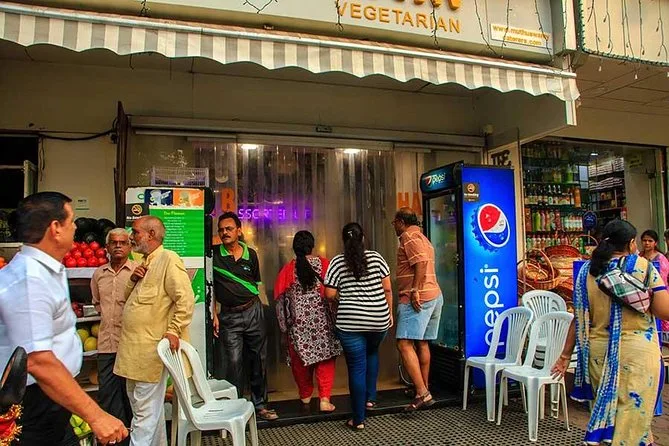
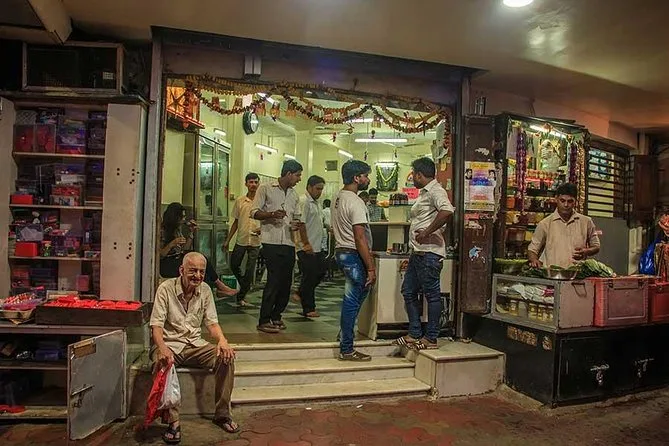
Right from the start, Matunga feels like a city within a city. I remember stepping out of the train station and catching that first whiff of filter coffee drifting from Arya Bhavan. The place is always buzzing—families chatting over coin idlis (they’re tiny, soft, and somehow addictive), students grabbing quick bites at New Pankaj’s chaat stall. The panipuri there is fiery; fair warning for sensitive stomachs.
If you wander a bit further, Ram Ashray stands out with its chalkboard specials. I once lucked out with neerdosa—thin rice pancakes served with a rainbow of chutneys. Even when it’s crowded (and it usually is), the staff keeps things moving with practiced ease. You’ll spot regulars reading newspapers or just people-watching through the open windows.
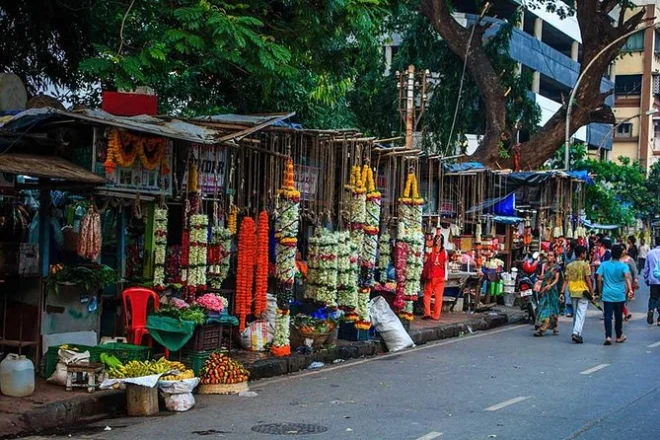
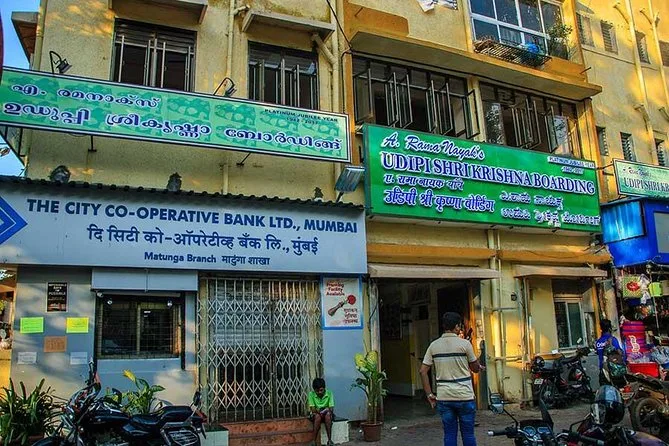
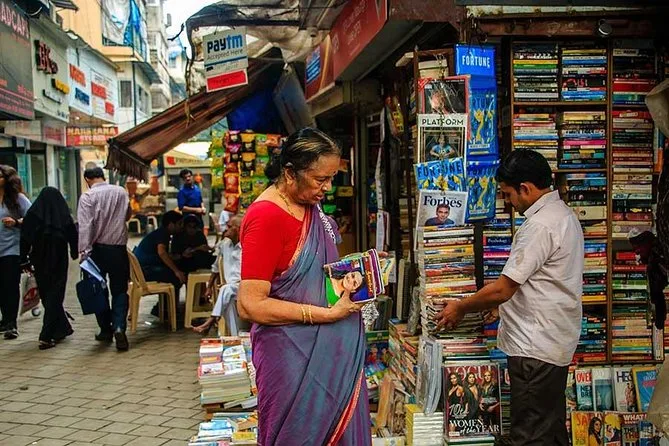
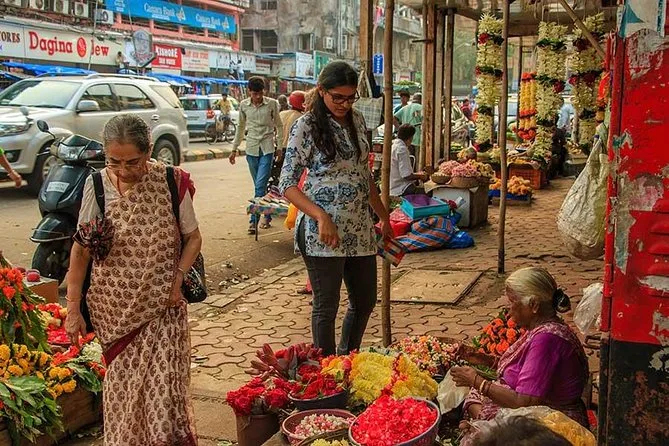
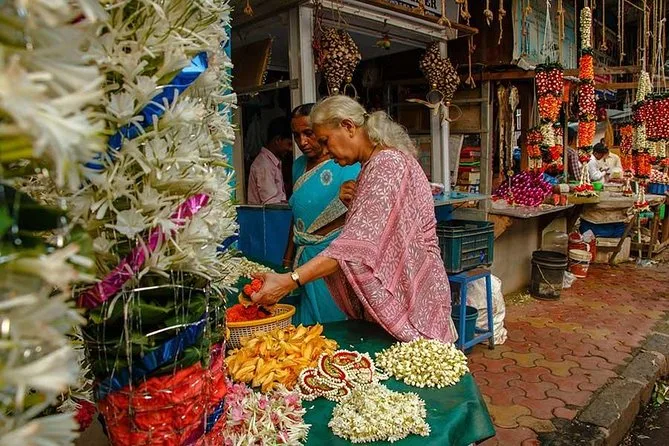
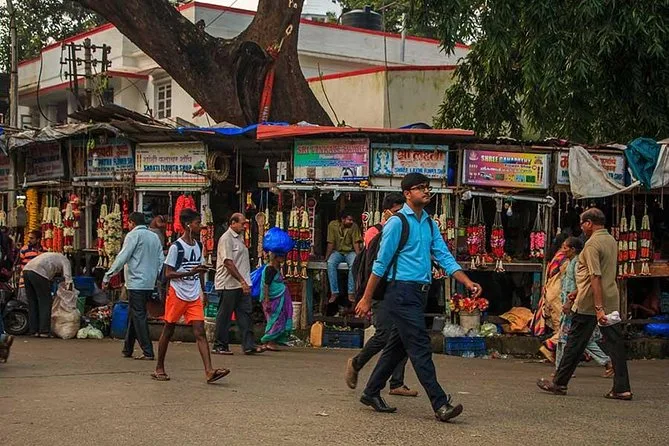
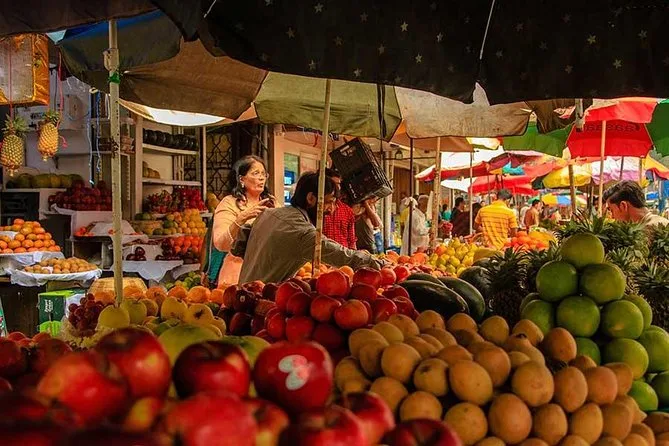
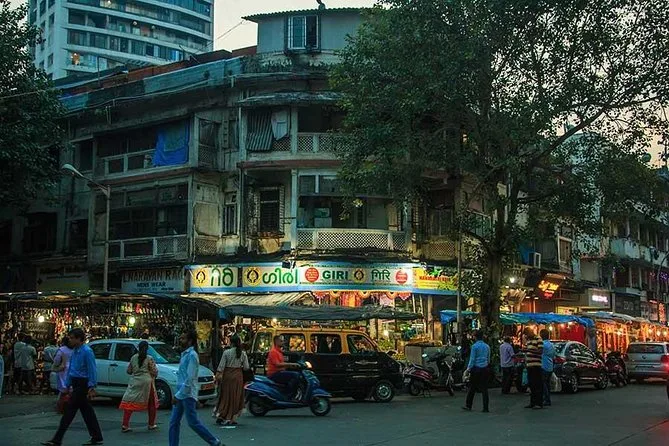
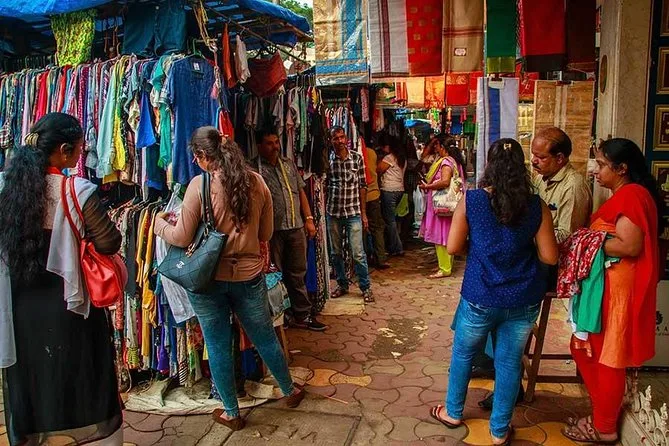
The Giri Stores are next—a treasure trove for anyone curious about Tamil culture. Shelves stacked high with religious books in every script you can imagine, brass lamps, herbal remedies, even dance costumes tucked into corners. It smells faintly of incense and sandalwood. Just outside is the flower market—a short stretch but packed with color and noise. Garlands of rose and jasmine hang everywhere; if you’re lucky to visit early morning, the air is thick with their scent. I always look for champa flowers (frangipani)—they remind me of temple towns down south.
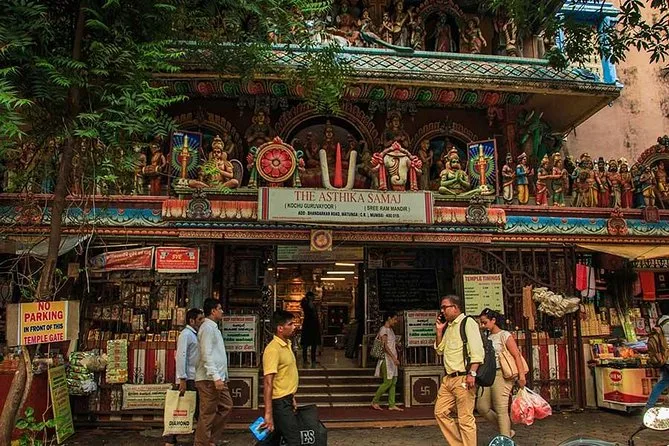
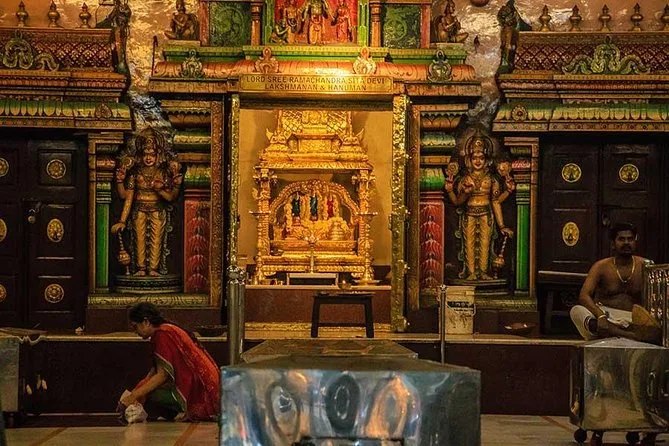
Asthika Samaj temple sits quietly nearby—Vaishnavite roots going back to 1923. If you step inside (just pause your audio guide), you’ll hear soft chanting or maybe catch a glimpse of an old priest arranging offerings. It’s peaceful in a way that makes you forget Mumbai’s chaos for a minute.
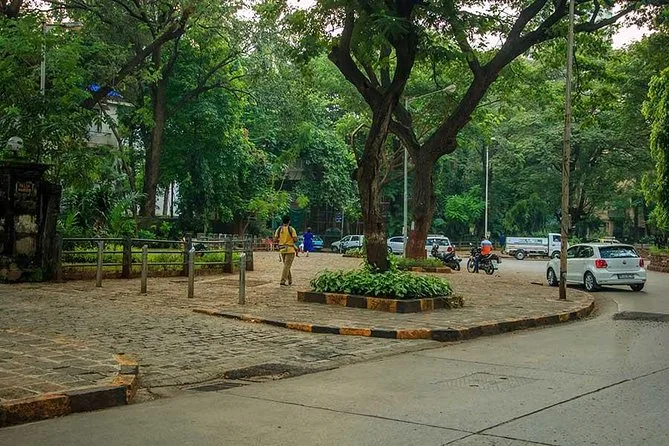
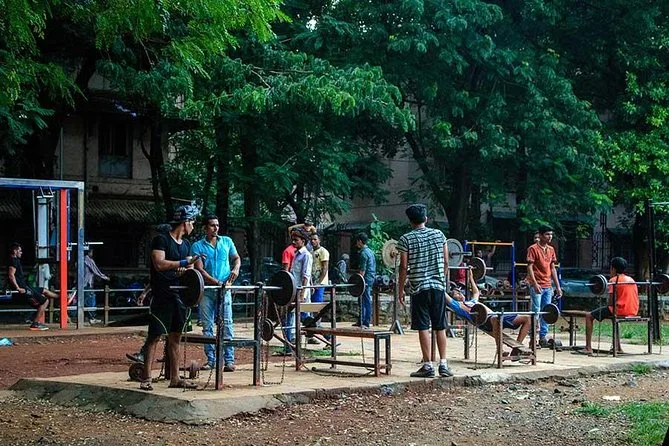
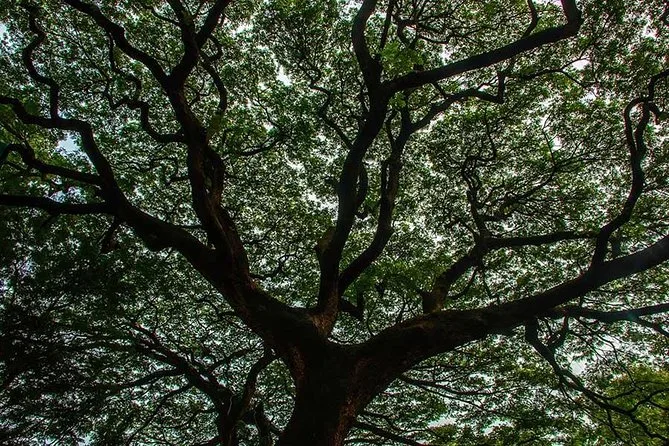
King’s Circle (now Maheshwari Udyan) is up next—a roundabout garden where locals gather under rain trees for cricket or just to chat away the afternoon heat. Mysore Concerns coffee shop isn’t far; sometimes I just stand outside to breathe in that pure coffee aroma—no chicory here, just strong beans roasted right on site since 1939.
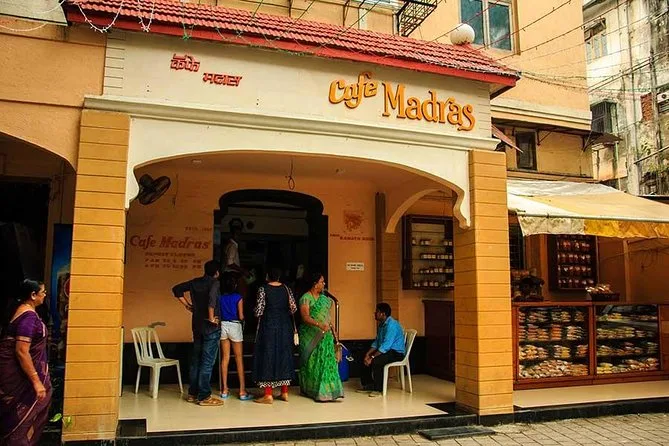
Café Madras is legendary—lines snake out onto the street most mornings. There’s this no-nonsense guy at the counter who calls names from his diary; miss your turn and he moves on without blinking. Inside it’s all shared tables and fast service—dosas arrive hot off the griddle before you’ve even finished your tea. Across the street are more classics: Café Mysore (Raj Kapoor was a fan) and Anand Bhavan.
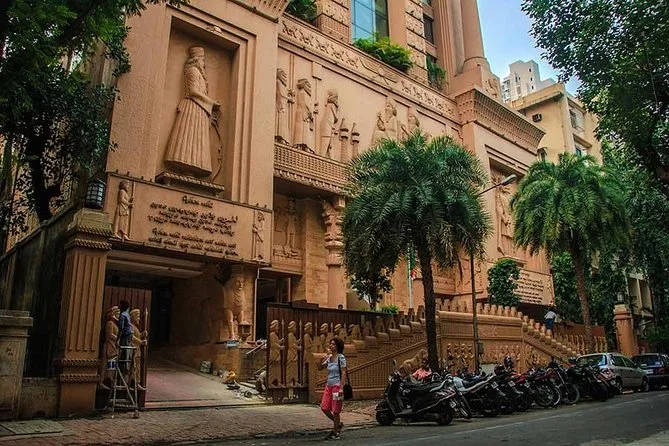
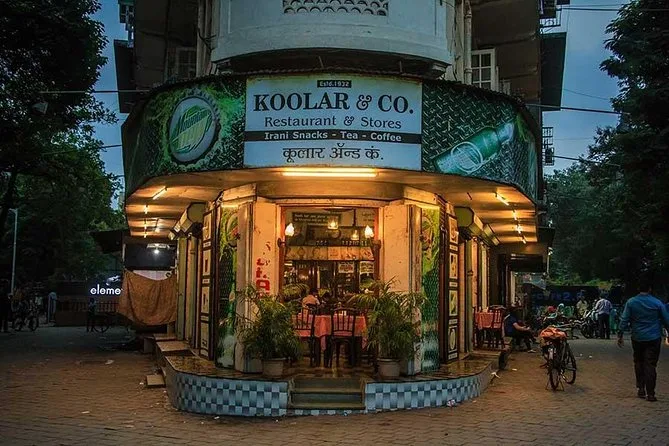
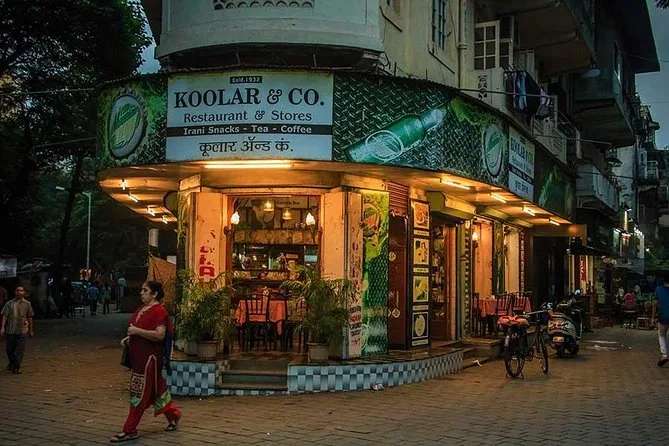
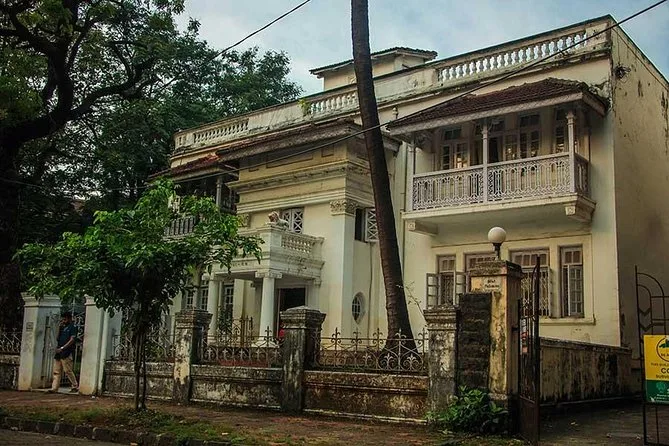
Crossing over into Dadar Parsi Colony feels like entering another world—broad tree-lined roads, old bungalows with stained glass windows and iron balconies. Koolar & Co., an Irani café run by two brothers who argue loudly but serve killer bun maska and chai. If you’re hungry enough, try their five-egg Wrestler Omelette or kheema pao—it’s spicy comfort food at its best.
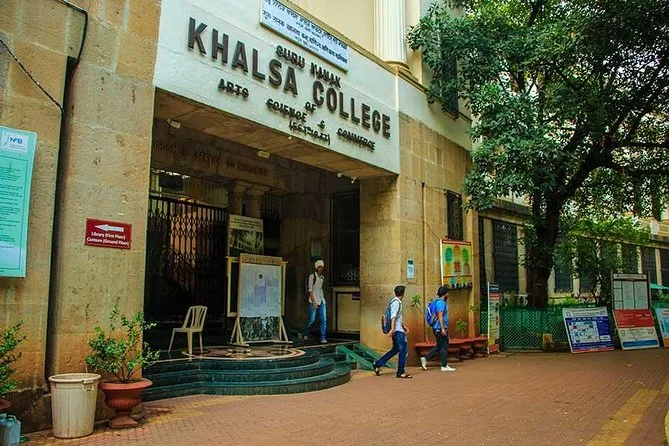
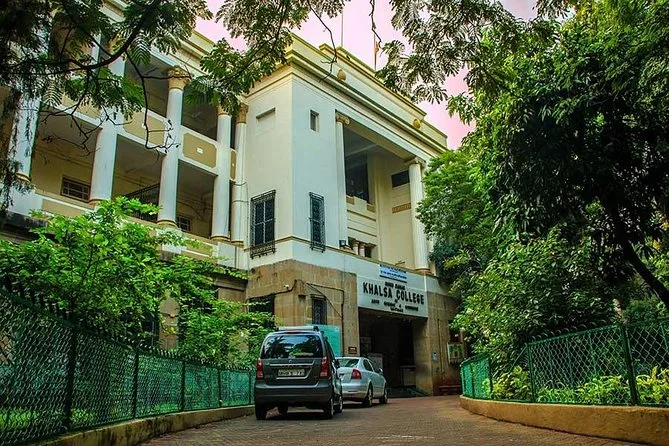
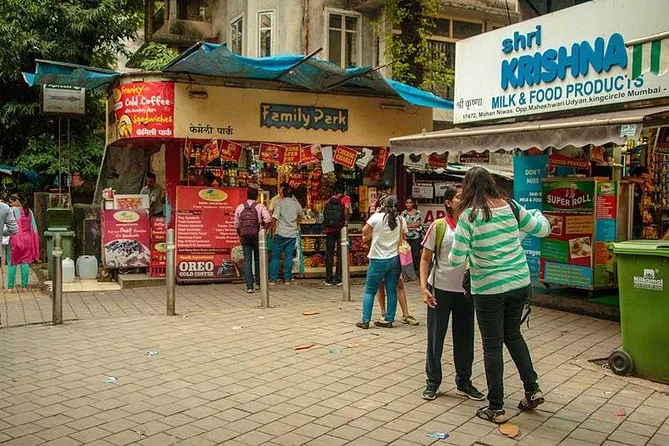
The streets here are full of life: college students hanging around snack shops near Khalsa College (Dilip Kumar studied here!), couples sharing greasy starters in tiny cafés, kids playing cricket in Five Gardens where grass is rare but energy isn’t lacking.
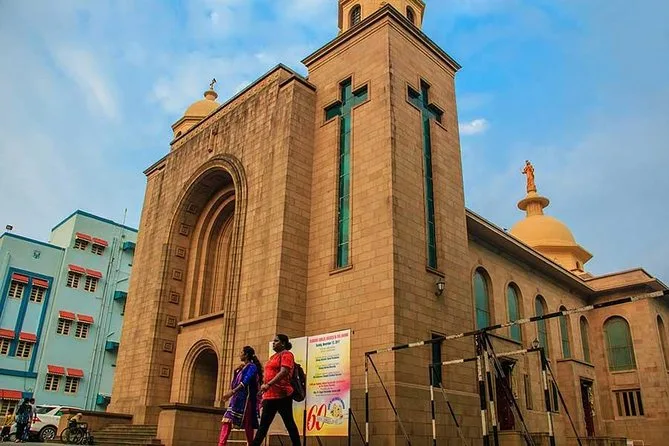
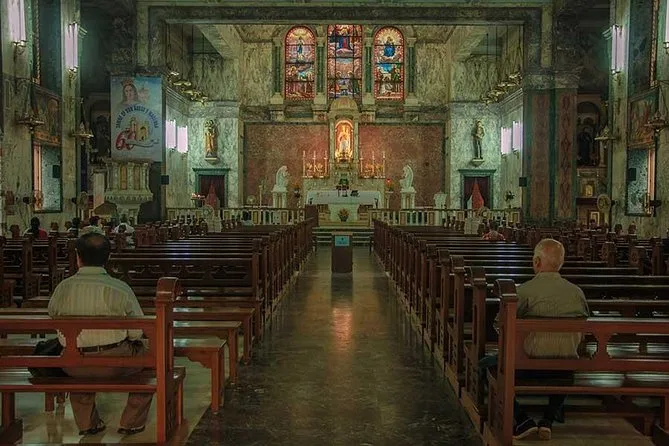
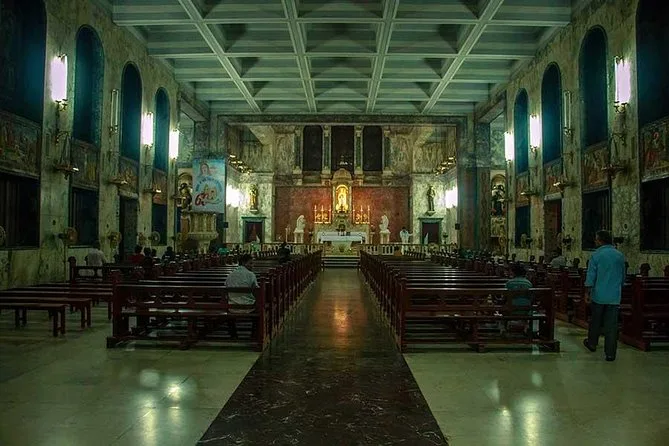
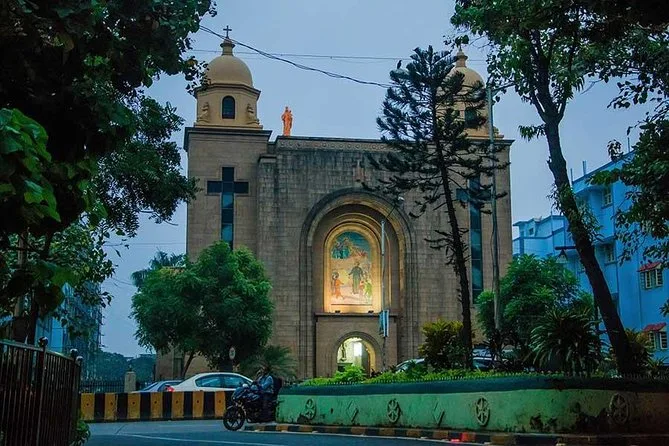
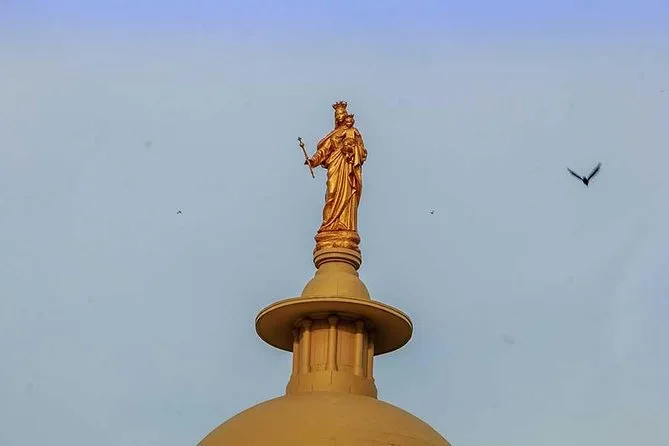
Don Bosco Church stands tall with its golden Madonna statue—a landmark since 1957 made from Malad granite and Italian marble inside. Sometimes during Mass you’ll hear singing drift out onto the street; other times it’s just quiet except for distant school bells.
You’ll pass VJTI college gates guarded by old WWII armored cars—Chevrolet Staghounds left over from British days—and then stroll through Five Gardens again before heading deeper into Parsi territory along Adenwala Road. Here the houses get grander but never flashy; there’s something gentle about these lanes shaded by nagchampa trees whose fragrance lingers after rain.
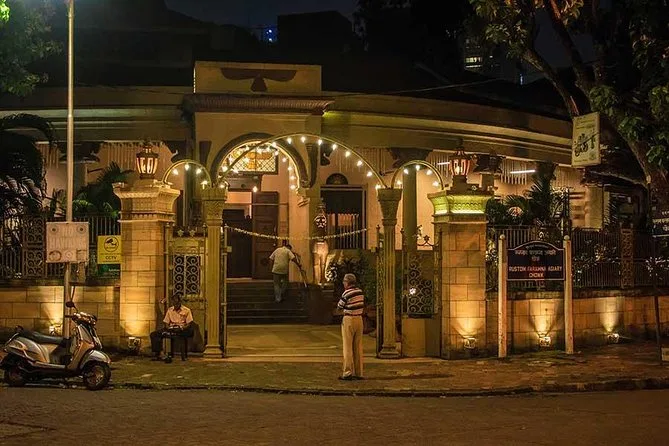
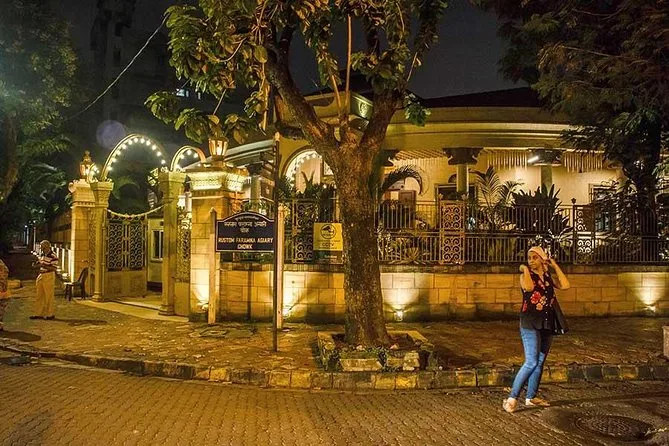
The Rustom Faramna Agiary (Parsi Fire Temple) keeps its sacred fire burning day and night—non-Parsis can’t enter but standing outside you can sense its importance to the community. The Parsis’ story unfolds as you walk: Zoroastrian roots from Persia, cricket legends at Dadar Gymkhana (they were India’s first cricketers!), girls’ schools nearly a century old still thriving today.
I always end up lingering near JB Vacha School or one of those old villas—Dinu Villa or Khorshed Villa—with their proud facades and hints of Greek style in their columns. By now my feet are tired but my mind feels wide awake; there’s so much layered history here that every corner seems to whisper another story.
1h 20m–1h 55m

Step-by-step itinerary
Day 1 — Matunga & Dadar Parsi Colony Walk
- Visit AryaBhavan for Coin Idli
- Try neerdosa at Ram Ashray
- Explore Giri Stores and Flower Market
- Visit AsthikaSamaj Temple
- See King’s Circle garden
- Smell coffee aroma at Mysore Concerns
- Experience Café Madras dining
- Enter Dadar Parsi Colony and try Irani snacks
- Walk Lane 34 Crossing and see Don Bosco church
- Visit Khalsa College campus
- Stop at Lane 32 Crossing and VJTI gate
- Relax at 5 Gardens park
- Walk Jame Jamshed Road and learn about Parsis
- Smell Nagchampa tree near Della Towers
- Walk Adenwala Road to Rustom Faramna Agiary
- See JB Vacha school and nearby villas

Top questions

Is this tour suitable if I’m not familiar with Mumbai?
Absolutely! The audio guide gives clear directions and local context so anyone can follow along comfortably—even if it’s your first time in Mumbai.
Can I stop for food or photos during the walk?
Yes—you control the pace! Pause anytime to eat at recommended spots or take photos; just resume when you’re ready to continue exploring.
Are all attractions open every day?
Most restaurants and shops are open daily but some religious sites may have restricted hours or entry rules—especially temples and fire temples where non-members aren’t allowed inside.
How long does the tour usually take?
If you move steadily it takes about 2–3 hours—but many people spend longer enjoying food stops or exploring side streets along the way.

What’s included
You get access to a self-guided audio walking tour via app for three months—listen as many times as you like! All main stops are included; public transport options are nearby if needed; suitable for all fitness levels.
 Super deal
  Free booking, free cancellation.
  Don't lose your place.


 Do you need help planning your next activity?
  +507 6792-0894


