

 +507 6792-0894


Buddhist Circuit Tour: Varanasi, Bodhgaya, Lumbini & More


Summary
Explore the Buddhist Pilgrimage Route in India & Nepal
You’ll trace Buddha’s life story across India and Nepal—from river rituals in Varanasi to meditating beneath the Bodhi Tree in Bodhgaya, exploring ancient monasteries in Sravasti, and standing quietly where he was born in Lumbini. This tour isn’t just about seeing monuments—it’s about feeling history come alive through real moments: sharing chai with locals, hearing temple bells at dawn, or watching monks light lamps as dusk falls over centuries-old stupas.

Landing in Varanasi always feels like stepping into another world. The air’s thick with incense and the sound of temple bells never really stops. Our guide, Mr. Singh, met us right outside arrivals—he’s lived here all his life and seems to know every shortcut through the city’s maze. We dropped our bags at the hotel (the chai in the lobby was surprisingly good) and set off for the first round of temples: Bharat Mata Mandir, Durga Temple, Tulsi Manas, Sankat Mochan, and finally the new Vishwanath Temple. Each one had its own mood—some crowded with families lighting candles, others almost silent except for a stray dog or two curled up by the gate. By sunset we found ourselves at Dasaswamedh Ghat for Ganga Aarti. Hundreds of little lamps floated downriver while priests chanted—honestly, it’s hard not to get goosebumps.
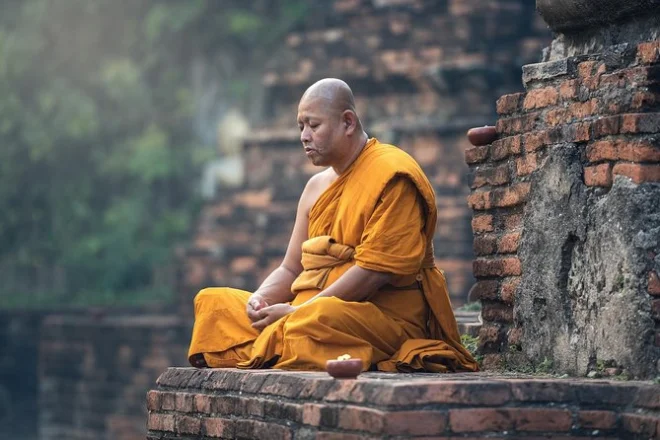
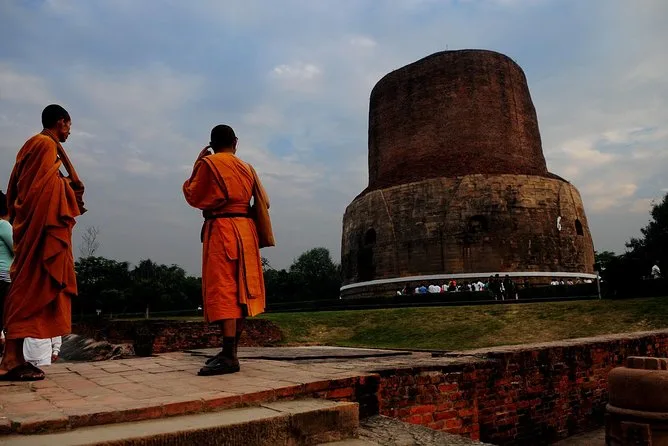
The next morning started early with a drive out to Sarnath. It’s only about 10 km but traffic can be unpredictable—a wedding procession blocked us for twenty minutes but nobody seemed to mind. Sarnath is where Buddha gave his first sermon; you can still see monks meditating under trees near Dhamekh Stupa. The Archaeological Museum has Ashoka’s Lion Capital—our guide pointed out tiny details I’d have missed on my own. Back in Varanasi that night, I could still smell marigolds from the flower stalls outside our hotel window.
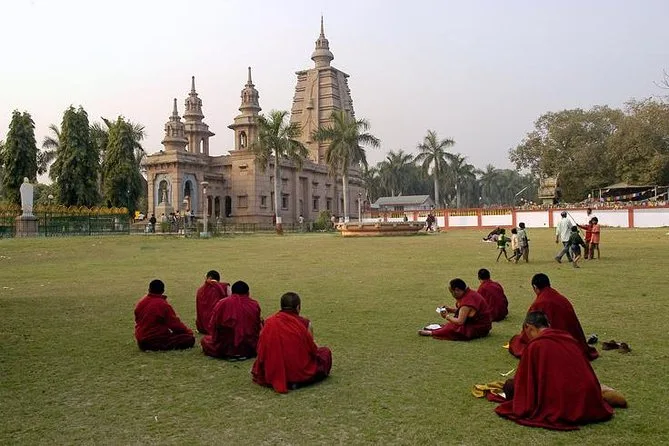
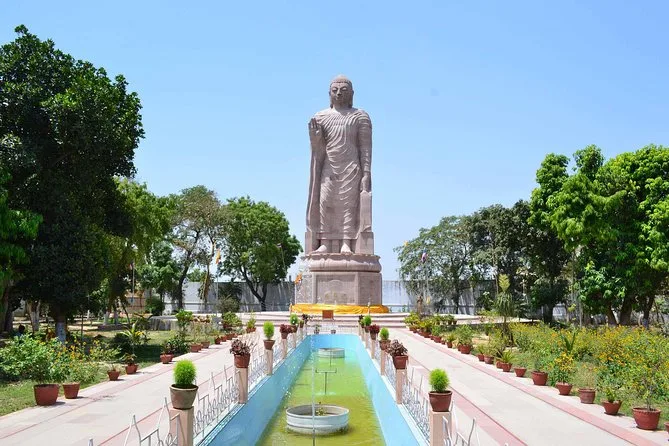
Bodhgaya was next—a long drive (about 6 hours), but we stopped for samosas at a roadside stand halfway there. Bodhgaya itself is quieter than Varanasi but just as intense in its own way. The Mahabodhi Temple glows gold at dusk; people from all over Asia come here to meditate under the Bodhi Tree. I joined evening prayers once—didn’t understand every word but felt included anyway. The next day we wandered past the Great Buddha Statue and Sujata Temple; school kids waved at us from their bikes along Niranjana River Road.
Rajgir came after—a couple hours’ drive through green hills dotted with monkeys (watch your snacks). The chairlift up Ratnagiri Hill creaked a bit but held steady; from up top you can see Jain shrines scattered across distant hillsides. At Vishwashanti Stupa, Japanese pilgrims left paper cranes tucked into corners of the marble railings. Our guide told stories about Buddha preaching at Griddhakuta—he made history feel close somehow.
Patna surprised me—it’s busier than I expected, full of old colonial buildings mixed with new shops selling sweets and saris. We toured Golghar (a giant granary), Gandhi Museum, Patna Museum (Napoleon’s bed is there—who knew?), and Jalan Museum with its odd collection of European relics. After lunch at a local spot (try litti chokha if you’re brave), we checked out ruins of Pataliputra before heading back to rest.
The road to Kushinagar took most of a day but stopping at Vaishali broke it up nicely—that’s where Buddha announced his Mahaparinirvana. In Kushinagar itself we visited Mahaparinirvana Temple (it’s quiet inside; people leave flowers by Buddha’s reclining statue) and Rambhar Stupa where he was cremated—there were monks chanting softly when we arrived.
Lumbini sits just across the border in Nepal—the crossing was easy enough if you have your documents ready (our guide handled most of it). Mayadevi Temple marks Buddha’s birthplace; there are prayer flags everywhere and ponds full of lotus flowers nearby. It felt peaceful even with visitors around.
Kicking off from Lumbini we drove to Kapilavastu—Buddha’s childhood home—and wandered among palace ruins half-swallowed by grass and wildflowers. Sravasti came next: Jetavana Monastery ruins are spread out under ancient trees; you’ll see locals picnicking nearby on weekends. We visited Anand Bodhi tree and Sahet Mahet too—the caves at Angulimal were cool inside even though it was hot out.
The last leg took us to Lucknow—a city that blends old Nawabi charm with busy markets selling kebabs and chikan embroidery. We toured Imambara and Rumi Darwaza before catching our flight home that evening, tired but honestly grateful for every stop along this route.
 12d
12d

Step-by-step itinerary
Day 1 — Arrival and Varanasi Temples
- Arrive at Varanasi and transfer to hotel
- Visit Bharat Mata Mandir, Durga, Tulsi Manas, Sankat Mochan, Vishwanath Temple
- Attend Ganga Aarti at Dasaswamedh Ghat
Day 2 — Sarnath Buddhist Sites
- Half day tour of Sarnath including Dharmarajika, Chaukhandi, Dhamek stupas
Day 3 — Travel to Bodhgaya
- Drive to Bodhgaya (6-7 hrs)
- Evening prayer at Mahabodhi Temple
Day 4 — Bodhgaya Sightseeing
- Visit Great Buddha Statue, Niranjana River, Sujata Temple
- Tour Maha Bodhi Temple and Bodhi Tree
- Visit Chinese Temple and local school
Day 5 — Rajgir Exploration
- Drive to Rajgir (2 hrs)
- Visit Vishwashanti Stupa via chairlift
- View Jain shrines and Griddhakuta site
Day 6 — Patna City Tour
- Drive to Patna (80 km)
- Visit Golghar, Gandhi Museum, Patna Museum, Har Mandir Takht, Qila House or Jalan Museum
- See ruins of Pataliputra
Day 7 — Vaishali and Kushinagar
- Visit Vaishali Buddhist site
- Drive to Kushinagar
- Visit Mahaparinirvana Temple and Rambhar Stupa
Day 8 — Lumbini Birthplace Visit
- Drive to Lumbini (5 hrs)
- Visit Mayadevi Temple
Day 9 — Kapilavastu Ruins
- Travel to Kapilavastu
- Visit ruins of the palaces
Day 10 — Sravasti Buddhist Sites
- Drive to Sravasti
- Visit Anand Bodhi tree, Jetavana monastery ruins, Sahet Mahet, Angulimal caves
Day 11 — Travel to Lucknow
- Drive to Lucknow (5.5 hrs)
Day 12 — Lucknow City Tour and Departure
- Tour Imambara, Rumi Darwaza, and historical monuments
- Transfer to airport for departure

Top questions

Is this Buddhist tour suitable for older travelers or those with mobility issues?
Yes! Most sites are wheelchair accessible or have ramps available, plus our guides are used to helping guests who need extra time or assistance getting around.
What kind of hotels will we stay in during this circuit?
You’ll stay in comfortable 3- or 4-star hotels throughout the trip—all rooms have private bathrooms and breakfast is included each morning.
Are meals included? What if I have dietary restrictions?
Breakfast is included daily; let us know your dietary needs ahead of time so we can help arrange suitable options for lunches/dinners along the way.
Will there be an English-speaking guide throughout?
Yes—your private guide speaks English fluently (and sometimes other languages too) so you won’t miss any important details or stories during your journey.

What’s included
Your tour covers all ground transport by private air-conditioned vehicle, an English-speaking private guide for 12 days, tuk-tuk rides where needed, a sunrise boat ride on the Ganges in Varanasi, entry fees for main attractions listed above, plus 11 nights’ accommodation in quality hotels with breakfast each day. Wheelchair access is available at most stops; service animals are welcome too! Just let us know if you have special requests—we’re happy to help make your experience smooth from start to finish.
 Super deal
  Free booking, free cancellation.
  Don't lose your place.


 Do you need help planning your next activity?
  +507 6792-0894


