

 +507 6792-0894


Agra Old City Walking Tour: Hidden Markets & Local Flavors




Summary
Explore Agra’s Secret Bazaars and Heritage Spots
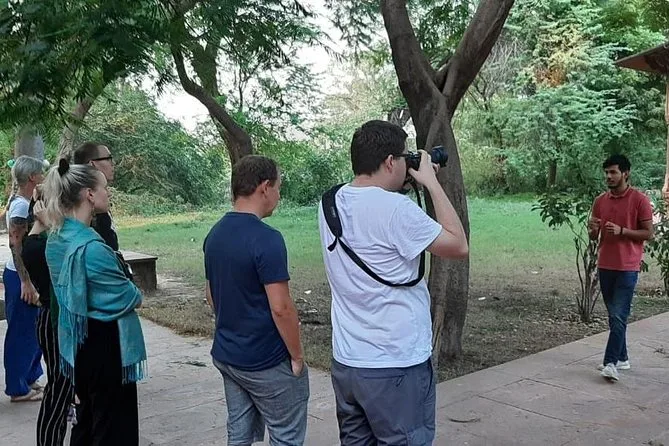
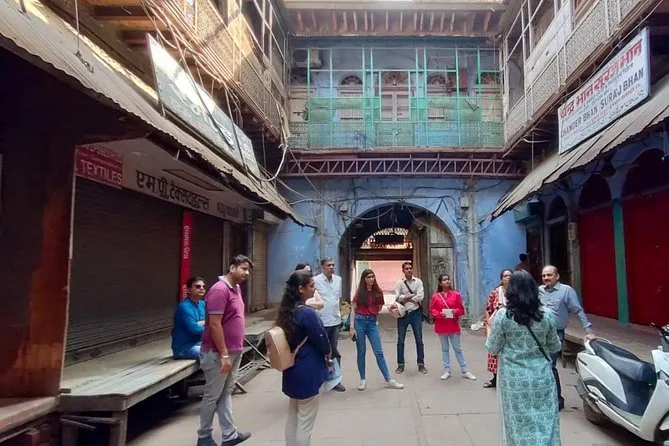
You’ll wander Agra’s oldest lanes with a local guide who knows every shortcut and story. From ancient temples to bustling bazaars—and that unforgettable taste of fresh petha—you’ll see sides of Agra most visitors miss.

We kicked off our Agra walking tour right in the thick of Kinari Bazaar. It’s noisy, packed, and honestly—kind of addictive. The air smells like incense and fried snacks. Our guide, Sameer, pointed out tiny silver shops tucked between sari stalls. I tried haggling for bangles but mostly just laughed with the shopkeeper’s daughter who kept offering me chai. This market is over 400 years old, but it feels alive—like time just paused here.
A quick rickshaw ride later, we landed at Agra’s oldest railway station. The red brick arches look straight out of a British postcard. There’s this echo when trains roll in—locals say it’s been the same sound for generations. Sameer shared stories about porters who’ve worked here since before independence. We even spotted an old signboard with faded Hindi script—easy to miss if you’re not looking up.
The Shiva temple was next, hidden behind a row of mango sellers. Inside, it was cool and dim, with bells chiming every few minutes as people came to pray. The priest told us a story about the temple surviving floods centuries ago—he even showed us watermarks on one wall. I lit a small lamp and watched the smoke curl up into the painted ceiling.
Back on the streets, we wandered through cloth markets where locals bargain hard for wedding saris and school uniforms. There’s this one alley where you can smell fresh jalebi mixing with fabric dye—it’s weirdly comforting. We stopped at a sweet shop famous for petha (made from white pumpkin). The owner let us peek into his kitchen; he said his family’s been making petha since Mughal times.
Some stops weren’t even on Google Maps—tiny shrines tucked into corners or an old stepwell behind a chai stand. Sameer seemed to know everyone; he’d wave or stop for a quick chat in Hindi or Urdu. By lunchtime, we were starving and ended up at a crowded spot locals swear by—the thali was heavy but worth every bite.
 2h–3h
2h–3h

Step-by-step itinerary
Day 1 — Agra City Walk Highlights
- Visit one of the biggest mosques
- Explore a 650-year-old temple
- Tour the oldest railway station
- Shop at a 400-year-old market
- Taste Agra's famous white pumpkin sweet
- Experience the vibrant cloth market
- Discover hidden local spots

Top questions

Is this Agra walking tour suitable for kids?
Yes! The route is easy-paced and there are plenty of fun sights along the way. Just keep an eye on little ones in busy markets.
Do I need to bring cash for shopping?
It helps! Most small vendors prefer cash, especially in the older markets.
What should I wear?
Comfortable shoes are best—the lanes can be uneven. Light clothes work well most months; bring something to cover shoulders for temple visits.
Is lunch included?
Yes, lunch at a popular local joint is part of your experience—and trust me, you won’t leave hungry!

What’s included
Your English-speaking local guide leads the way and shares stories you won’t find online. All transportation during the walk is covered too—just show up ready to explore!
 Super deal
  Free booking, free cancellation.
  Don't lose your place.


 Do you need help planning your next activity?
  +507 6792-0894


