
Iceland South Coast: Ice Cave, Glacier Lagoon & Waterfalls Tour
 Super deal


Summary
Seljalandsfoss spray, glacier blue light, northern lights hope
You’ll step behind waterfalls near Reykjavik, crunch across black sand beaches at Vík, watch ancient ice drift through Jökulsárlón lagoon, and enter a natural ice cave with a local guide. The wild weather and shifting light make every moment feel raw and real—this isn’t just sightseeing; it’s feeling Iceland under your skin.
 2d
2d

Step-by-step itinerary
Day 1 — Explore South Coast Waterfalls and Town
- Pick up from Reykjavik
- Visit Seljalandsfoss waterfall
- Visit Skógafoss waterfall
- Explore Reynisfjara black sand beach
- Drive through Vík town
- See Eyjafjallajökull volcano
- Visit Sólheimajökull glacier
- Overnight stay at Adventure Hotel Hof I
Day 2 — Glacial Lagoons and Ice Cave Tour
- Visit Jökulsárlón glacial lagoon
- Visit Diamond Beach
- Explore Katla or Crystal Ice Cave
- Return to Reykjavik around 21:00

Top questions

How long is the South Coast & Ice Cave tour from Reykjavik?
This tour lasts 2 days with an overnight stay included.
Is pickup from Reykjavik included?
Yes, hotel pickup and drop-off in Reykjavik are included.
Which waterfalls do you visit on this tour?
You’ll visit Seljalandsfoss and Skógafoss waterfalls on the first day.
Do you actually go inside an ice cave?
Yes, you enter a natural ice cave in Vatnajokull (or Katla if conditions require).
Is breakfast included during the tour?
Breakfast is provided at your accommodation after the first night.
What should I wear for this Iceland tour?
Wear warm outdoor clothing, waterproof layers, gloves, headgear and sturdy hiking shoes.
Can solo travelers join? Will I share a room?
Solo travelers are paired in twin rooms unless they pay extra for a private room upgrade.
Are Northern Lights guaranteed on this trip?
No—the Northern Lights may be visible between August–May but sightings aren’t guaranteed or guided.

What’s included
Your journey includes hotel pickup and drop-off from Reykjavik, entry to all main highlights along Iceland’s south coast like Seljalandsfoss and Skógafoss waterfalls, Reynisfjara beach near Vík, Skaftafell nature reserve and Jökulsárlón glacier lagoon. You’ll spend one night in a twin-share hotel room with private bathroom (breakfast included), travel by minibus with free Wi-Fi onboard, and take part in a guided natural ice cave experience—with all logistics handled so you can just focus on what’s outside your window.

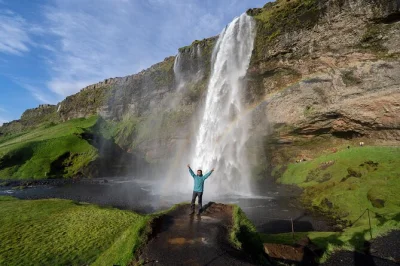
We pulled away from Reykjavik before sunrise, the windows fogged from our breath and everyone’s winter layers. Our guide, Sigrún, had this dry sense of humor—she pointed out the volcano names I couldn’t pronounce (Eyjafjallajökull? I gave up after three tries). First stop was Seljalandsfoss. There’s a path behind the waterfall, slick with mist and mud. I ducked under, water roaring in my ears, jacket soaked at the sleeves. It’s colder than you think back there—like standing inside a fridge with the door open. My gloves smelled like wet wool for hours after.
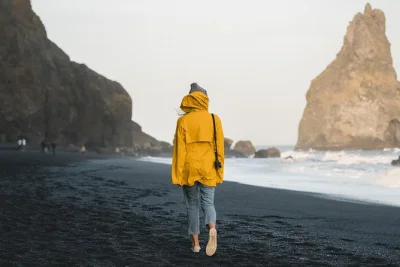
Driving along the south coast is a bit hypnotic—fields of mossy lava rock, then sudden black sand beaches at Vík. Reynisfjara was wild that day; waves slamming in so hard Sigrún kept warning us not to get too close (“the sea here doesn’t play nice,” she said). We stopped for coffee in Vík, hands wrapped around mugs just to thaw out. Then Skaftafell—icy wind stinging my cheeks while we watched tiny dots of hikers inching up toward Svartifoss. The road east felt endless but never boring; every turn another glacier tongue or waterfall or sheep staring blankly at our minibus.
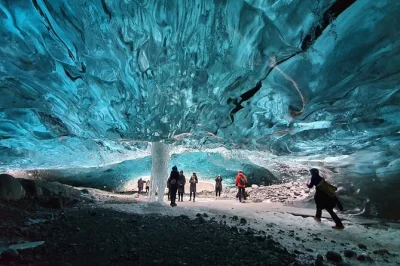
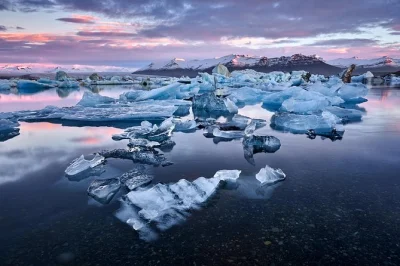
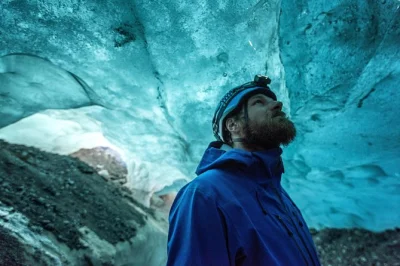
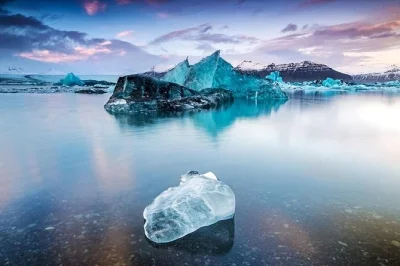
The next morning was all about Jökulsárlón glacier lagoon. I didn’t expect the icebergs to be so blue—almost fake-looking against that black sand at Diamond Beach. We crunched over pebbles and bits of clear ice shaped like weird sculptures. The real highlight was stepping into an ice cave in Vatnajokull (I still have no idea how to say that right). The light inside was this deep blue—not Instagram blue but something heavier and quieter. Our guide told us how these caves change every year; nothing stays the same for long out here.
On the way back to Reykjavik it started snowing sideways, which made everything outside look even more unreal. Someone spotted a faint green smudge in the sky—maybe northern lights or maybe just wishful thinking after two long days on Iceland’s south coast. Either way, I keep thinking about that cold air in my lungs and how small you feel standing under all that sky.
Similar tours
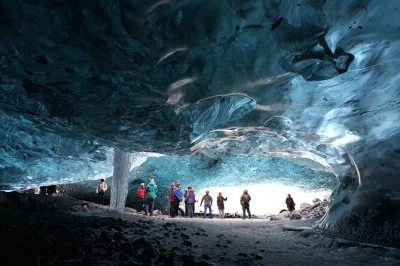 Iceland South Coast: Blue Ice Cave & Glacier Lagoon 2-Day Tour
★★★★★★★★★★ 4.93 (740) From US$ 689
Iceland South Coast: Blue Ice Cave & Glacier Lagoon 2-Day Tour
★★★★★★★★★★ 4.93 (740) From US$ 689
 Iceland Ring Road: 6-Day Small Group Tour with Glacier Hike
★★★★★★★★★★ 4.86 (730) From US$ 2,552.81
Iceland Ring Road: 6-Day Small Group Tour with Glacier Hike
★★★★★★★★★★ 4.86 (730) From US$ 2,552.81
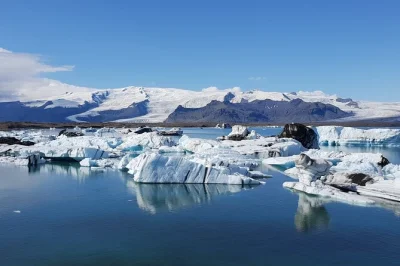 Iceland South Coast: Glacier Hike & Jokulsarlon Lagoon Tour
★★★★★★★★★★ 4.95 (171) From US$ 639
Iceland South Coast: Glacier Hike & Jokulsarlon Lagoon Tour
★★★★★★★★★★ 4.95 (171) From US$ 639
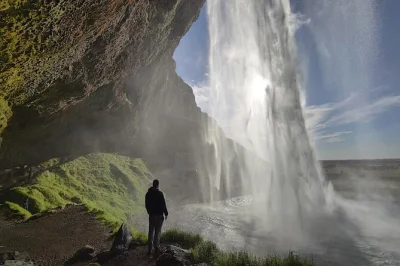 Iceland South Coast: Waterfalls, Glacier Hike & Black Beach Day Trip
★★★★★★★★★★ 4.94 (534) From US$ 149
Iceland South Coast: Waterfalls, Glacier Hike & Black Beach Day Trip
★★★★★★★★★★ 4.94 (534) From US$ 149
 Iceland Ring Road: Glacier Hike, Ice Cave & Whale Watching Tour
★★★★★★★★★★ 4.91 (96) From US$ 2,584.52
Iceland Ring Road: Glacier Hike, Ice Cave & Whale Watching Tour
★★★★★★★★★★ 4.91 (96) From US$ 2,584.52
 Iceland Ring Road: 6-Day Minibus Tour with Glacier Hike & Ice Cave
★★★★★★★★★★ 4.94 (507) From US$ 2,294.35
Iceland Ring Road: 6-Day Minibus Tour with Glacier Hike & Ice Cave
★★★★★★★★★★ 4.94 (507) From US$ 2,294.35
 South Iceland: Waterfalls, Black Beach & Volcano Day Trip
★★★★★★★★★★ 4.60 (285) From US$ 108.08
South Iceland: Waterfalls, Black Beach & Volcano Day Trip
★★★★★★★★★★ 4.60 (285) From US$ 108.08
 Iceland South Coast: Golden Circle, Ice Cave & Glacier Tour
★★★★★★★★★★ 4.87 (141) From US$ 959
Iceland South Coast: Golden Circle, Ice Cave & Glacier Tour
★★★★★★★★★★ 4.87 (141) From US$ 959
 Iceland South Coast: Glacier Hike, Jokulsarlon Lagoon & Waterfalls
★★★★★★★★★★ 4.85 (189) From US$ 716.62
Iceland South Coast: Glacier Hike, Jokulsarlon Lagoon & Waterfalls
★★★★★★★★★★ 4.85 (189) From US$ 716.62
 Reykjavik South Coast: Glacier Hike, Waterfalls & Black Beach
★★★★★★★★★★ 4.75 (359) From US$ 206.76
Reykjavik South Coast: Glacier Hike, Waterfalls & Black Beach
★★★★★★★★★★ 4.75 (359) From US$ 206.76
 Iceland South Coast: Ice Cave, Glacier Hike & Lagoon Tour
★★★★★★★★★★ 4.73 (215) From US$ 652.01
Iceland South Coast: Ice Cave, Glacier Hike & Lagoon Tour
★★★★★★★★★★ 4.73 (215) From US$ 652.01
 Iceland South Coast: Golden Circle, Glacier Hike & Ice Cave Tour
★★★★★★★★★★ 4.93 (144) From US$ 939.83
Iceland South Coast: Golden Circle, Glacier Hike & Ice Cave Tour
★★★★★★★★★★ 4.93 (144) From US$ 939.83


 Do you need help planning your next activity?


