


Iceland South Coast: Golden Circle, Glacier Hike & Ice Cave Tour


Summary
Golden Circle geysers, glacier hiking & black sand coastlines
You’ll stand between continents at Thingvellir, feel spray from Gullfoss waterfall on your skin, hike across Vatnajökull’s ancient ice with a local guide, and drift through Jökulsárlón lagoon surrounded by silent blue giants. Expect damp socks, real stories from Icelanders—and moments that stick with you long after you’ve left.

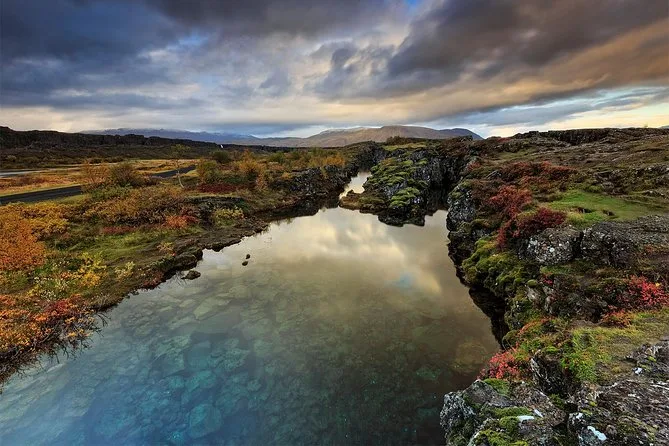
First thing I remember is the sound—the minibus doors sliding open outside Reykjavík, this kind of sharp morning air that hits you right in the nose. Our guide, Hildur, handed out Wi-Fi codes and grinned like she knew what was coming. Thingvellir was our first stop—she told us about the tectonic plates drifting apart right under our feet. The ground felt solid but sort of alive, if that makes sense? There were birds everywhere and this weirdly clean smell in the air. We stood where Iceland’s parliament started centuries ago; I tried to imagine all those chieftains arguing in the wind. Didn’t expect to feel so small there.
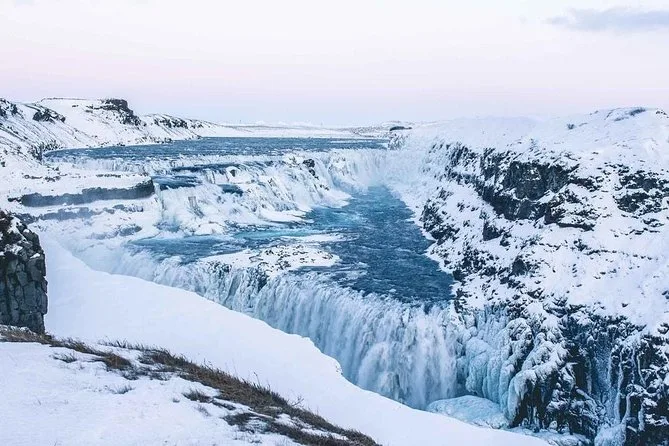
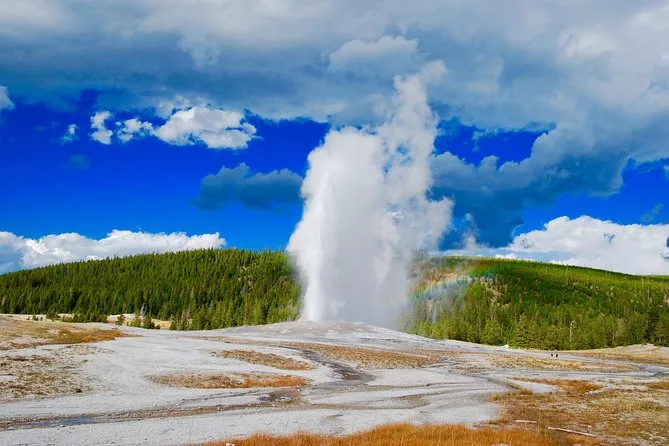
By midday we’d seen Gullfoss—the “Golden Falls”—and I got sprayed in the face trying to take a photo (worth it). The sun caught the mist just right and people actually cheered when a rainbow popped up. At Geysir, Hildur timed it perfectly so we saw Strokkur erupt—everyone jumped at once except her. She laughed and said she never gets tired of watching tourists flinch. It’s funny how quickly you get used to sulfur smells after a while.
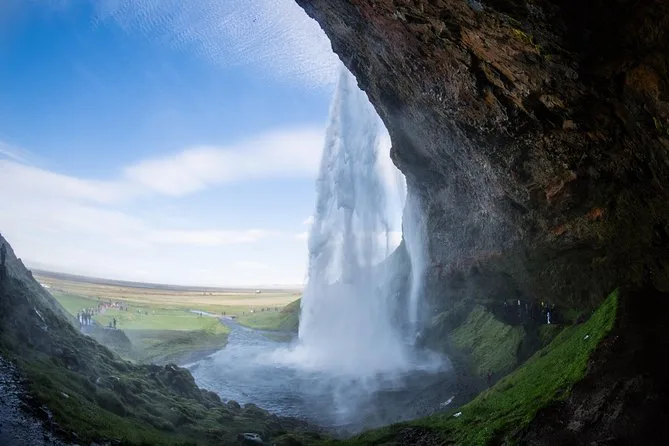
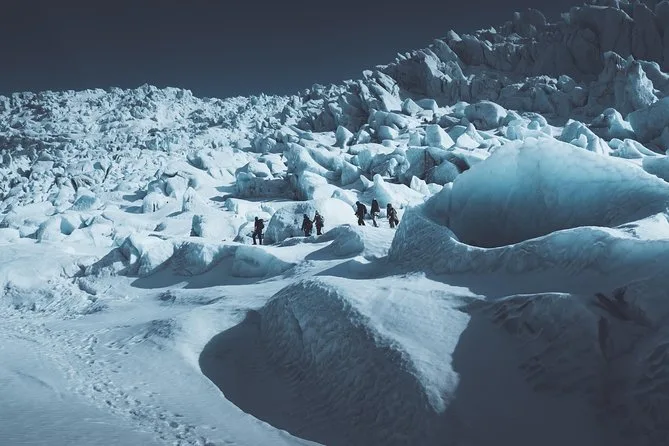
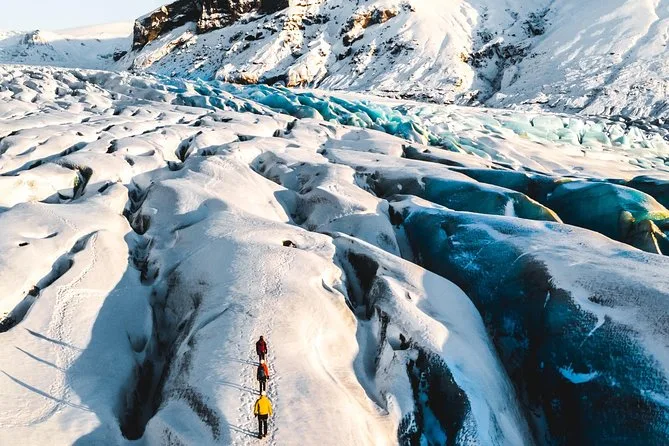
The next day was all about waterfalls and glaciers. Seljalandsfoss was loud enough to drown out your thoughts; I tried walking behind it but my raincoat failed me completely (still damp socks). Skógafoss had its own mood—more brooding somehow—and there’s this staircase that looks easy until you’re halfway up gasping for breath. Later we strapped on crampons for the glacier hike at Skaftafell. Our glacier guide, Jónas, showed us how to listen for cracks underfoot—not scary exactly, just a reminder you’re on something ancient and shifting. The ice looked blue in places, almost fake-looking against all that black volcanic ash.
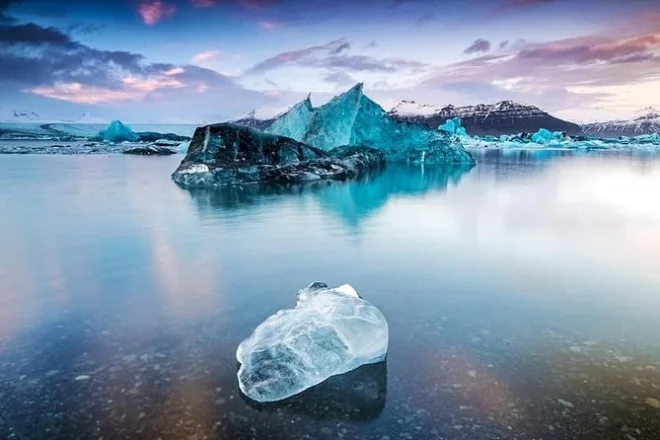
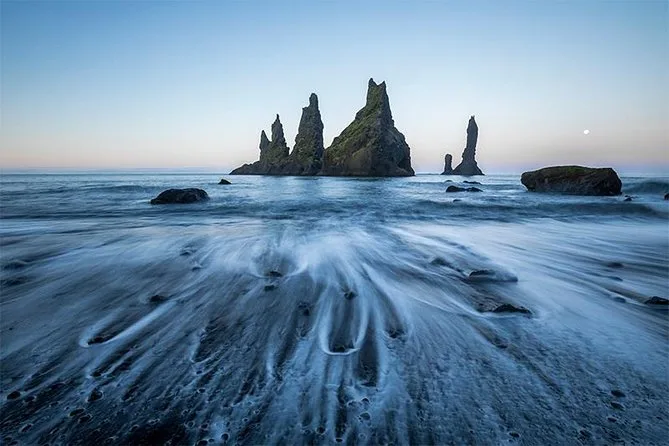
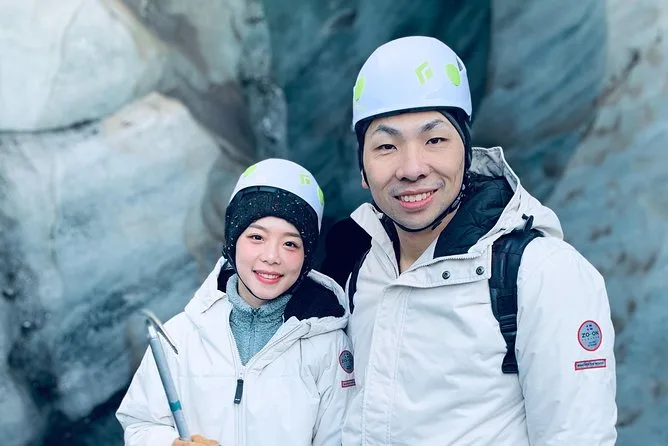
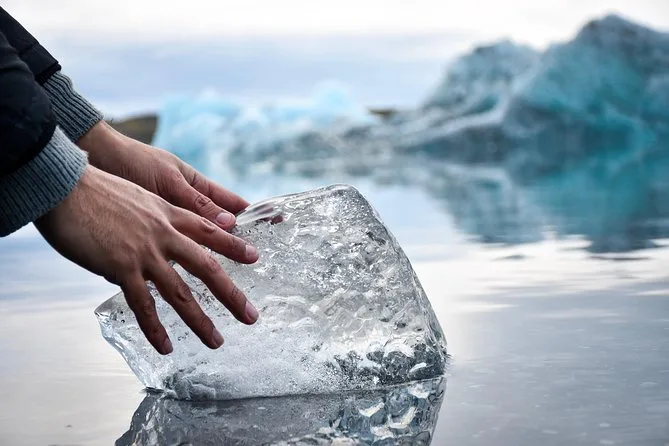
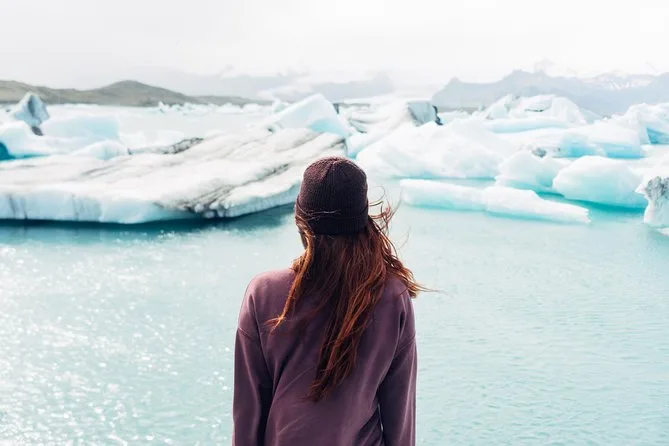
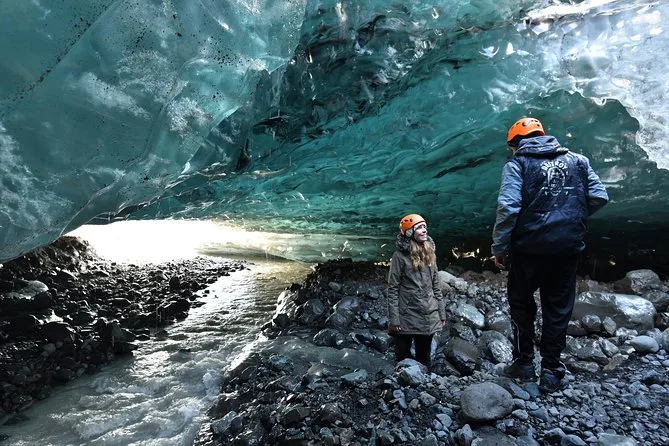
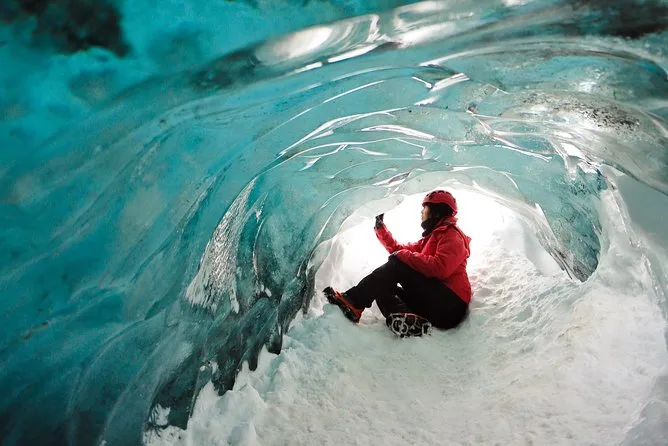
Third day started early with coffee that tasted like burnt toast (not complaining) before heading out to Jökulsárlón glacier lagoon. The silence there is unreal—you hear nothing except water lapping against icebergs as you float past them in this little boat. I kept thinking about how these chunks of ice are older than most countries. Reynisfjara Beach was last: black sand, wild Atlantic waves, puffins darting around like they owned the place. We met our ice cave guide near Vík—a guy who said he could read weather by watching sheep (no idea if he was serious). Inside Katla Ice Cave everything glowed blue-grey; my hands went numb from touching the walls but I didn’t want to leave yet.
 3d
3d

Step-by-step itinerary
Day 1 — Explore the Golden Circle
- Visit Thingvellir National Park
- See Gullfoss waterfall
- Watch eruptions at Great Geysir
Day 2 — Discover South Coast waterfalls and glacier
- Visit Seljalandsfoss waterfall
- Visit Skógafoss waterfall
- Hike on Skaftafell glacier
Day 3 — Explore glacier lagoon and ice cave
- Tour Jökulsárlón glacier lagoon
- Visit Reynisfjara black sand beach
- Explore Katla Ice Cave

Top questions

Is hotel pickup included for this Iceland tour?
Yes, pickup and drop-off from designated bus stops in Reykjavík are included.
How long is the glacier hike at Skaftafell?
The guided glacier hike lasts about an hour and a half with all safety equipment provided.
Do I need special gear for the Katla Ice Cave visit?
No special gear needed; your guide provides helmets and other necessary equipment for safety.
Are meals or lunch included during the tour?
No meals are included; you should bring snacks or buy food during stops along the route.
How many nights of accommodation are provided?
The tour includes two nights’ accommodation at comfortable 3-star hotels in South Iceland.
Can I walk behind Seljalandsfoss waterfall?
Yes, there’s a path behind Seljalandsfoss—bring a raincoat as you’ll likely get wet!
What’s special about Jökulsárlón glacier lagoon?
You’ll take a boat ride among floating icebergs fed by Europe’s largest glacier—an experience unique to this region.
Is this tour suitable for all fitness levels?
The tour is suitable for most fitness levels; some light hiking is involved but guides adjust pace as needed.

What’s included
Your three days include pickup and drop-off from Reykjavík bus stops, Wi-Fi onboard with some classic Icelandic tunes playing quietly (I still hum one), two nights’ hotel accommodation in South Iceland, all safety equipment for both glacier hiking and Katla Ice Cave exploration—plus time with local guides who know every story along these wild roads.
 Super deal
  Free booking, free cancellation.
  Don't lose your place.


 Do you need help planning your next activity?


