

 +507 6792-0894


Iceland South Coast: Glacier Hike, Waterfalls & Black Sand Beach


Summary
Walk behind waterfalls climb blue ice and feel the wild Atlantic wind
You’ll walk behind waterfalls at Seljalandsfoss, climb across blue ice on Sólheimajökull glacier with all gear provided, and wander Reynisfjara’s wild black sand beach as Atlantic waves crash nearby. A local guide shares stories and keeps things light — expect laughter, spray in your face, and moments that stick long after you’ve left Iceland’s south coast.

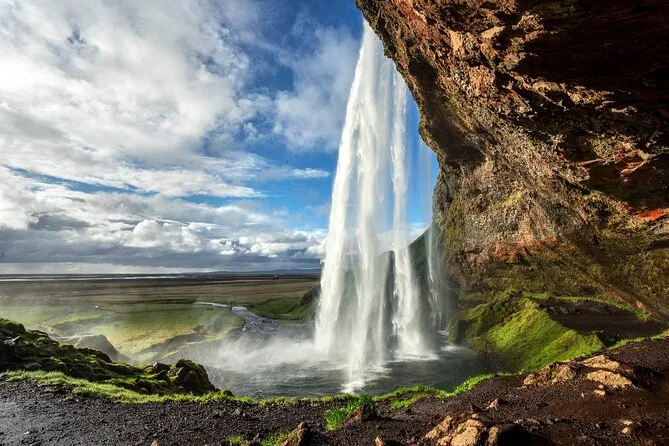
The first thing I heard when we stopped near Seljalandsfoss was this low, thundering rush — not loud exactly, but constant, like it had been echoing for centuries. Our guide, Jónas (who somehow knew every weird fact about Icelandic trolls), handed out rain jackets with a grin that said we’d need them. Walking behind the waterfall felt unreal — cold mist everywhere, my boots slipping a little on the wet rocks. My camera got soaked but I didn’t care. There’s something strange about seeing the world through a curtain of water.
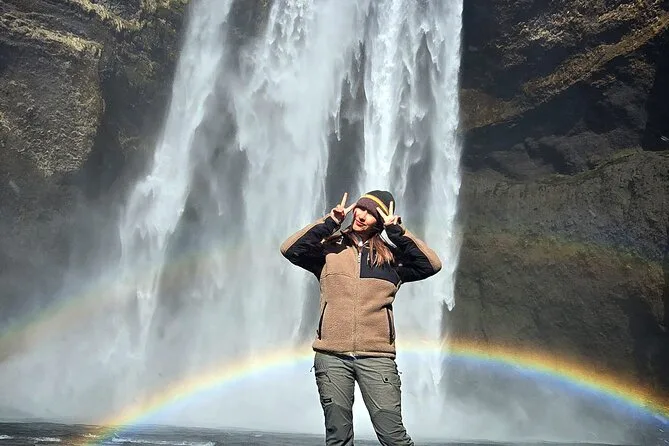
We drove along the south coast after that, windows fogged up from our damp jackets. Skógafoss came next — much bigger and wilder than I expected. Jónas told us about some Viking gold supposedly hidden behind it (I didn’t see any gold, just a rainbow in the spray). Everyone went quiet for a minute watching it crash down. Then someone tried to pronounce “Sólheimajökull” and we all cracked up — even Jónas messed it up once.
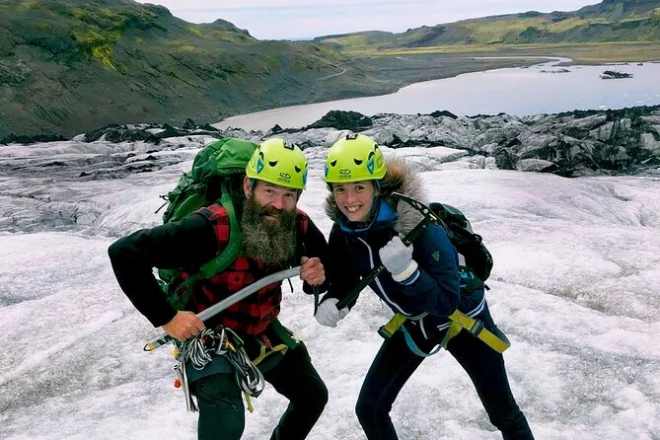
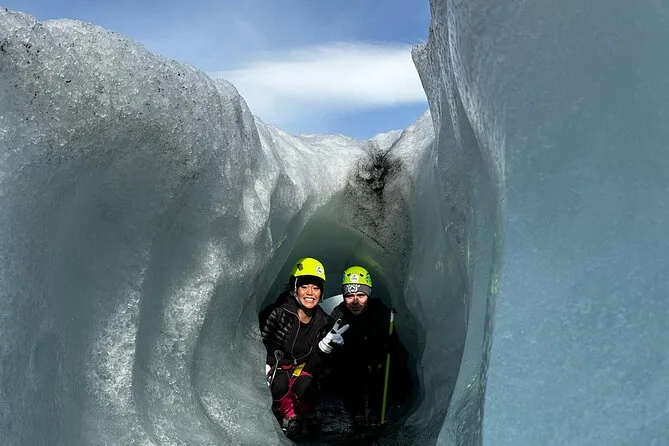
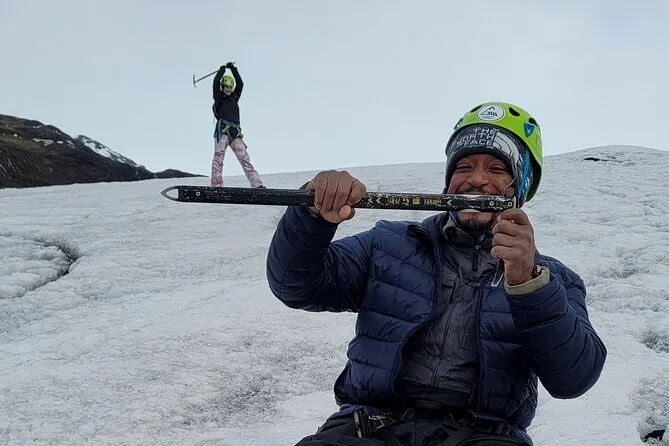
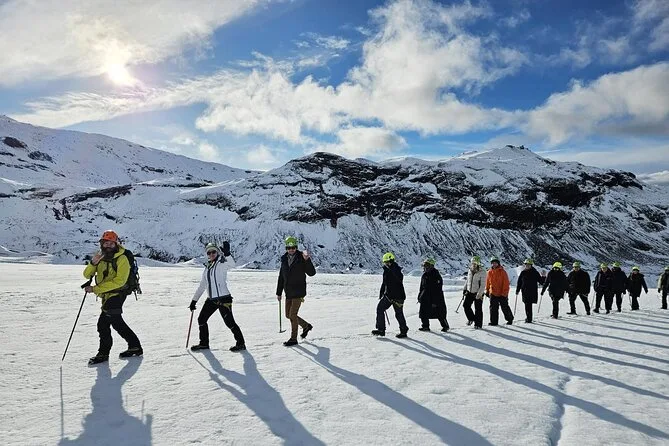
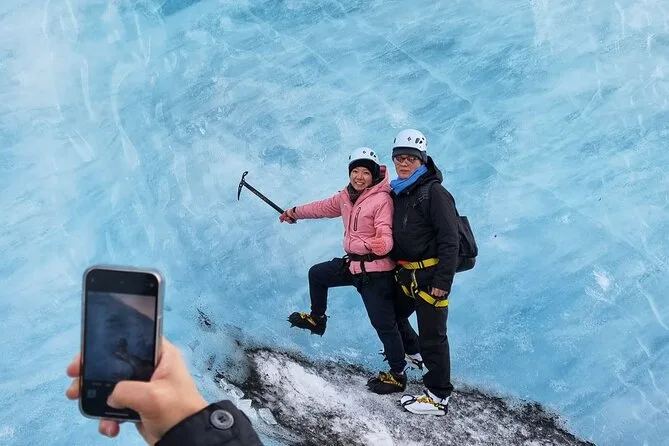
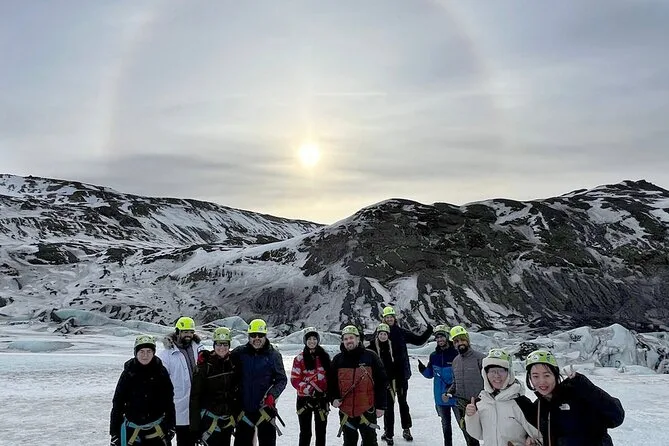
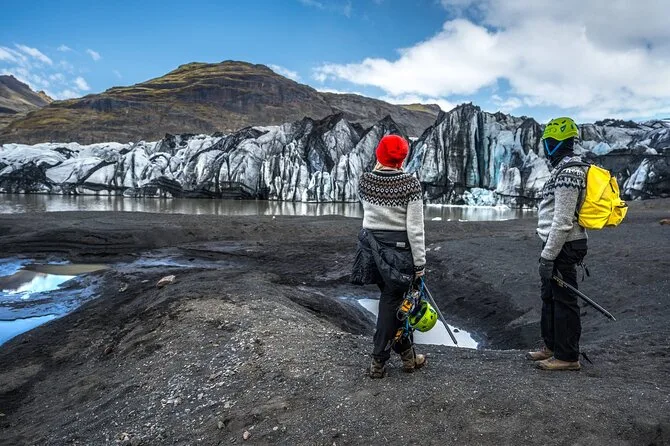
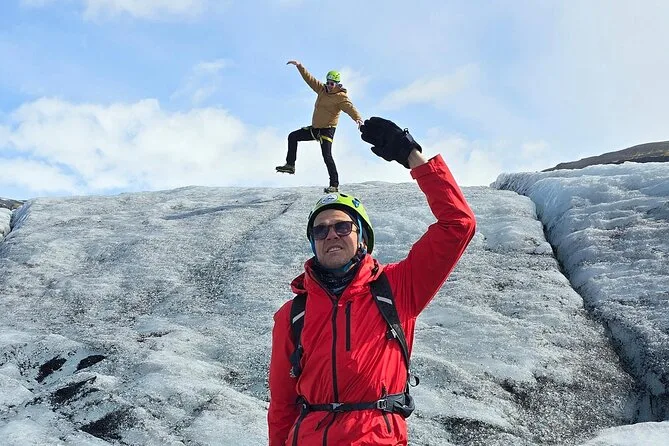
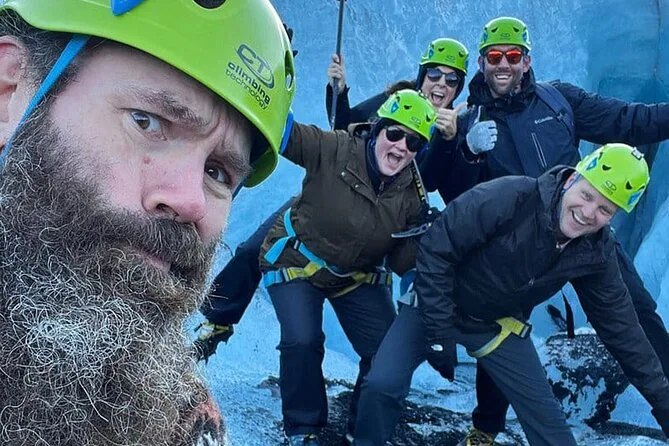
The glacier hike was honestly what I’d been nervous about. They gave us crampons and harnesses and I kept double-checking my helmet strap like a dork. The ice wasn’t smooth at all — it was rough underfoot, blue in places, almost alive with cracks and little rivers running through it. Our guide showed us how to use the ice pick (I was terrible at it) and explained how the glacier is shrinking every year. That stuck with me more than anything else — standing on something ancient that’s disappearing while you’re right there.
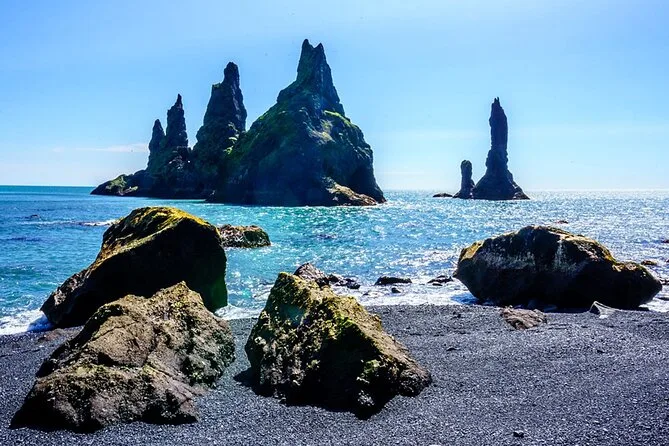
Reynisfjara beach was our last stop before heading back to Reykjavik. The black sand looked almost fake against the white foam of the waves. We watched some puffins darting around the basalt columns — they move so fast you barely see them until they’re gone again. The wind nearly knocked my hat off twice and I still think about that salty smell mixed with volcanic earth. Didn’t expect to feel so small in such an open place, you know?
 11h
11h

Step-by-step itinerary
Day 1 — South Coast Waterfalls, Beach, Glacier Hike
- Visit Seljalandsfoss waterfall
- Walk behind Seljalandsfoss water
- See Skogafoss waterfall
- Explore Reynisfjara black sand beach
- Stroll along Reynisfjara beach
- Gear up for glacier hike
- Hike to Sólheimajökull glacier base
- Glacier hike on Sólheimajökull ice

Top questions

How long does the glacier hike take on this south coast tour?
The glacier hike at Sólheimajökull is a short trek as part of a full-day tour from Reykjavik; exact hiking time varies but is manageable for most fitness levels.
Is equipment provided for hiking Sólheimajökull glacier?
Yes, all necessary equipment like harnesses, crampons, helmets, and ice picks are included for the glacier hike.
Can you walk behind Seljalandsfoss waterfall year-round?
You can usually walk behind Seljalandsfoss most of the year except during icy winter conditions when it may be unsafe.
Are there restrooms or food stops along this Iceland day trip?
The tour makes stops where restrooms are available; bring snacks as lunch is not specified in inclusions.
Is this south coast tour suitable for kids?
The minimum age is 10 years old; children should be comfortable walking outdoors for several hours.
How far is Sólheimajökull from Reykjavik?
Sólheimajökull glacier is about 158 km (98 miles) from Reykjavik by road.
Will we see puffins at Reynisfjara beach?
Puffins can sometimes be seen at Reynisfjara during summer months but sightings aren’t guaranteed.
Is hotel pickup included on this Iceland south coast tour?
No hotel pickup is mentioned; check your booking details for meeting point specifics.

What’s included
Your day includes transport in an air-conditioned vehicle with WiFi onboard, plus all equipment needed for hiking Sólheimajökull glacier—crampons, harnesses, helmets—so you don’t have to bring anything special except your sense of adventure (and maybe dry socks).
 Super deal
  Free booking, free cancellation.
  Don't lose your place.


 Do you need help planning your next activity?
  +507 6792-0894


