

 +507 6792-0894


Gori & Chiatura: Stalin Museum tour with Katskhi Pillar
 8h–10h
 4.73
(15 reviews)
4.73
(15 reviews)




Summary
Ride old cable cars, walk Soviet streets, and see Georgia’s strangest pillar
You’ll step inside Stalin’s childhood home in Gori, ride creaking cable cars above Chiatura’s mining town streets, share lunch with locals, and gaze up at Katskhi Pillar’s improbable monastery. With a local guide leading every step (and story), you’ll feel Georgia’s Soviet past come alive in ways you’ll remember long after the trip.

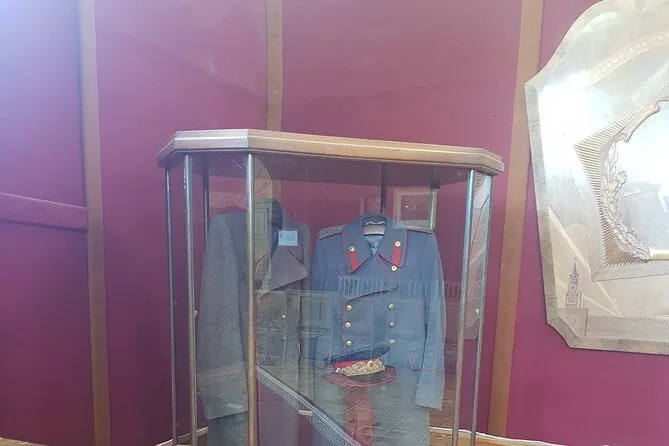
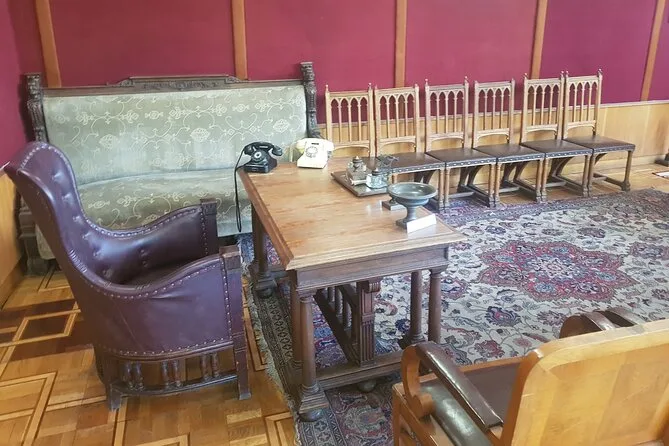
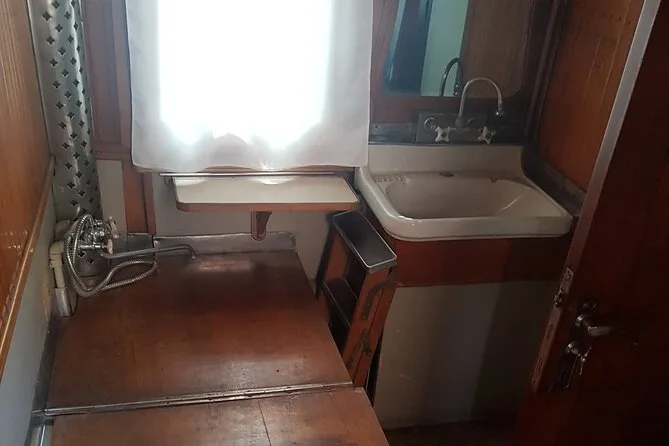
We rolled out of Tbilisi just after sunrise, the city still yawning awake, and by the time we reached Gori the air was already thick with that dry, chalky smell you get near old stone. Our guide, Nino, led us straight to the Stalin Museum — she had this way of telling stories that made even the weirdest facts stick. I’d seen photos before but standing in front of Stalin’s childhood house (tiny, wooden, almost ordinary) felt strange. The museum itself is a maze of heavy curtains and faded portraits; there’s his train carriage too — green paint peeling, metal cold under my hand. I kept thinking about how history can feel so close and so far at the same time.
After Gori we drove west toward Chiatura. The road twisted through hills dotted with wildflowers and half-finished houses. When we finally got to Chiatura, it was like stepping into a photo from another decade — blocky Soviet buildings, laundry flapping from balconies, everything a little worn but alive. We took one of those rattling old cable cars up over the river (Nino called them “flying coffins” but laughed when she said it). The view down was dizzying — rusty rooftops below, miners waving as they walked to work. There’s this silence up there except for the creak of cables and your own heartbeat.
Lunch was in a family-run spot tucked behind a shopfront — I never caught the name but I still remember the smell: fresh bread and something sharp like pickled vegetables. The owner’s son tried to teach me how to say “thank you” in Georgian; I definitely failed but he grinned anyway. After eating we wandered through abandoned buildings with our guide pointing out old murals and telling stories about strikes and lost jobs — not exactly cheerful but honest.
The last stop was Katskhi Pillar. You see it from the road first: this skinny limestone finger poking up out of nowhere with a tiny monastery perched on top like some kind of dare. It looked impossible — I mean who decides to build up there? The wind picked up as we stood at the base looking up; someone nearby started singing softly in Georgian and for a second everything felt suspended between sky and stone. I don’t know if it was awe or just tiredness but that moment stuck with me all the way back to Tbilisi.
8h–10h

Step-by-step itinerary
Day 1 — Explore Gori and Chiatura
- Drive to Chiatura
- Visit Stalin's museum in Gori
- Ride old cable car in Chiatura
- Visit Chiatura mining museum
- Guided walk exploring abandoned sites
- Lunch at family-owned restaurant
- View Katskhi pillar and monastery

Top questions

How long does this day trip from Tbilisi take?
The total drive takes nearly six hours round-trip plus stops at each site.
Is lunch included on this tour?
Yes, lunch is included at a family-owned restaurant in Chiatura.
Do you visit Stalin's actual birthplace?
Yes, you visit Stalin's house where he was born in Gori as part of the museum tour.
Can children join this tour?
Yes, infants and small children can join; prams or strollers are allowed.
Are public transportation options available nearby?
Yes, public transportation options are available near pickup points.
Is there much walking involved?
You will walk around Chiatura with your guide exploring buildings and viewpoints.
What is special about Katskhi Pillar?
Katskhi Pillar is a natural limestone monolith topped by a small monastery—one of Georgia's most unusual sights.

What’s included
Your day includes all transport from Tbilisi with pickup options nearby, entry to Stalin’s Museum in Gori, rides on Chiatura’s historic cable cars, guided walks through mining town streets and abandoned sites, lunch at a local family restaurant in Chiatura, plus time to visit Katskhi Pillar before heading back in the evening.
 Super deal
  Free booking, free cancellation.
  Don't lose your place.


 Do you need help planning your next activity?
  +507 6792-0894


