


Paris WW2 Walking Tour: German Occupation Stories & Small Groups


Summary
Walk Paris streets where WW2 history lingers in doorways and grand hotels
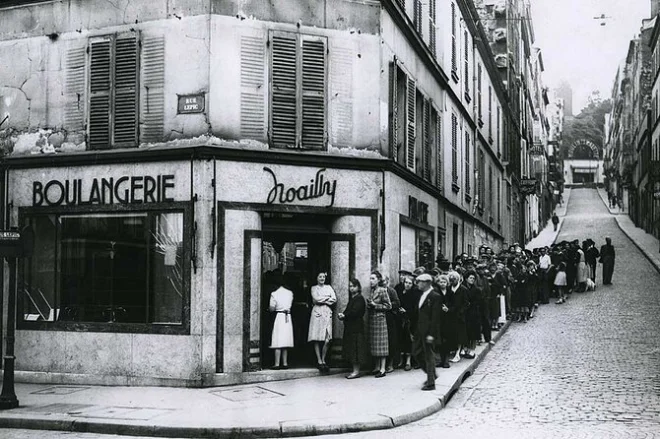
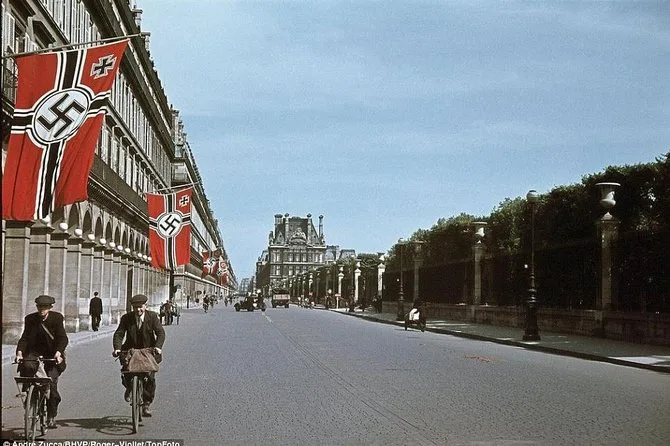
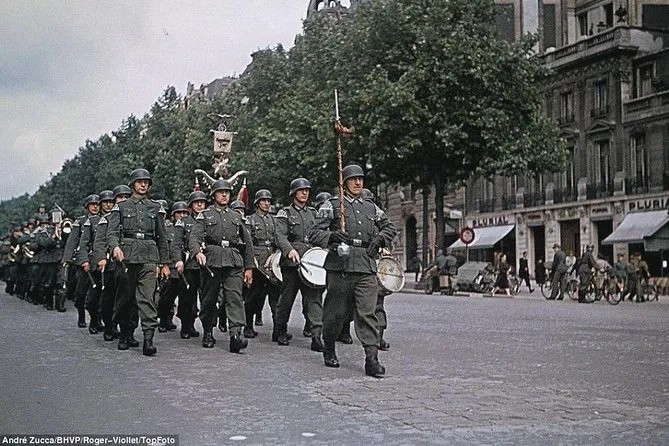
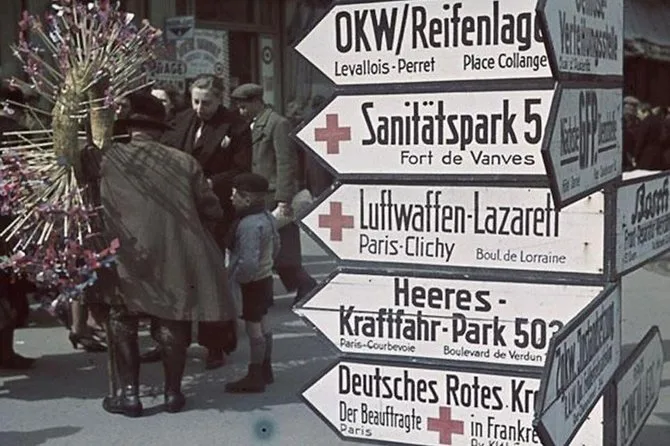
You’ll walk Paris with a small group and an expert guide who cares more about real stories than memorized dates—pausing at unmarked doors, grand hotels, and scarred stone where WWII unfolded in secret corners. Expect questions that linger after you leave and details you’d never notice alone.

We met our guide right outside Palais Royal metro, under that yellowish morning light that always feels a little too soft for the stories we were about to hear. There were only six of us, which made it feel more like tagging along with a friend than being herded around. Our guide—James—had this way of pausing mid-sentence, letting you actually look at the buildings while he talked about what went on inside them during the German occupation. He pointed out an ordinary doorway on Rue Saint-Honoré, and I remember thinking how many times I’d probably walked past without knowing it was once a Gestapo HQ. The street smelled faintly of coffee and rain on old stone—Paris stuff—but suddenly it felt heavier.
I didn’t expect to feel so unsettled at Place de la Concorde. James showed us the bullet holes left from the Liberation fighting—tiny scars in the stone that nobody really notices unless someone points them out. He asked us what we thought we’d have done back then, which honestly caught me off guard. There was this weird silence before anyone answered. We moved between places like Hotel Meurice (the German command center) and the Ritz, where anti-Nazi officers plotted behind closed doors. At one point, he told a story about Chanel living upstairs and I tried to picture her gliding through these same halls while all that chaos was happening outside. It’s strange how close history feels when you’re literally standing on top of it.
The tour wasn’t just facts—it was more about people than places. James kept inviting questions (and there were plenty), never rushing anyone or making us feel silly for asking things twice. Someone asked about Jewish life during those years, and he explained why there’s a separate Holocaust tour if you want to go deeper—said it deserves its own time, not just a few rushed minutes squeezed in here. The whole thing lasted maybe three hours? Time got weird; sometimes I caught myself just staring at some random window or listening to the city noise mixing with his stories.
I still think about that moment in front of Jeu de Paume—the museum where looted art was processed before being sent away. There was this cold breeze coming off the river and I could almost smell wet leaves mixed with cigarette smoke from someone nearby (maybe not very poetic but that’s what stuck). The tour ended somewhere near Place de la Concorde but honestly my head was still back at those doorways and side streets long after we said goodbye.
 3h–4h
3h–4h

Step-by-step itinerary
Day 1 — Explore Paris WW2 Occupation sites
- Meet at Palais Royal Metro Exit 5
- Visit area between Louvre and Place de La Concorde
- See first secret Gestapo HQ
- View HQ of PPF collaborationist group
- Observe Louvre exterior
- Visit Hotel Meurice German Army HQ
- Explore Place Vendome and Ritz Hotel site
- See Societe Maurice Duclos spy network site
- Pass Continental Hotel German HQ
- Walk Rue Rouget de L'isle French Resistance start
- Visit Jeu de Paume Nazi art storage
- End tour at Place de La Concorde
- Discuss Liberation scars and landmarks

Top questions

Where does the Paris WW2 walking tour start?
The tour meets at Palais Royal Metro Exit 5 on Place Colette, opposite the Comédie Française Theatre.
How long does the Paris German Occupation tour last?
The tour usually lasts between 3 to 3.5 hours depending on group interest and pace.
Is this a private or small group tour?
You can book either a private or semi-private small group tour (max 8-10 people).
Which sites are included on the WW2 Paris walking tour?
You’ll visit key sites between the Louvre and Place de la Concorde: Gestapo HQs, Hotel Meurice, Place Vendôme, Jeu de Paume, bullet-marked buildings, and more.
Is there flexibility in the itinerary?
Yes—the guide adapts stops based on group interest and questions; no two tours are exactly alike.
Can I ask detailed questions during the tour?
Absolutely—the guide encourages discussion throughout; everyone can participate.
Does this general tour cover Holocaust history?
The general tour discusses Jewish life under occupation but goes deeper only on request or in dedicated Holocaust tours.
Is this Paris WW2 walking tour wheelchair accessible?
Yes—the route is suitable for wheelchairs, strollers, and service animals.

What’s included
Your day includes meeting your expert guide near Palais Royal metro for an interactive walk across central Paris—from hidden Gestapo offices to famous hotels used by German forces—with time for questions at every stop. Tours are limited to small groups or fully private bookings for personal attention; flexible timing means you won’t be rushed through any story that matters to you.
 Super deal
  Free booking, free cancellation.
  Don't lose your place.


 Do you need help planning your next activity?


