

 +507 6792-0894


8-Day Bale Mountains Trek: Wildlife, Peaks & Ethiopian Culture


Summary
Bale Mountains trekking adventure with wildlife & local culture
If you want real adventure—rare wildlife sightings, high-altitude hikes, ancient history in Addis Ababa—this Bale Mountains trek delivers all that plus warm local hospitality along the way.

Landing in Addis Ababa, the city felt alive—horns honking, coffee roasting somewhere nearby. After a quick stop at the hotel, we headed straight for the National Museum. Seeing Lucy’s ancient bones up close was surreal; our guide explained how she changed what we know about human history. Later, at Holy Trinity Cathedral, sunlight filtered through stained glass onto quiet marble floors. If you’ve got time (and energy after the flight), Mount Entoto is worth it for that sweeping view over the city’s patchwork rooftops. We squeezed in a wander through Mercato too—chaotic, noisy, but full of color and life.
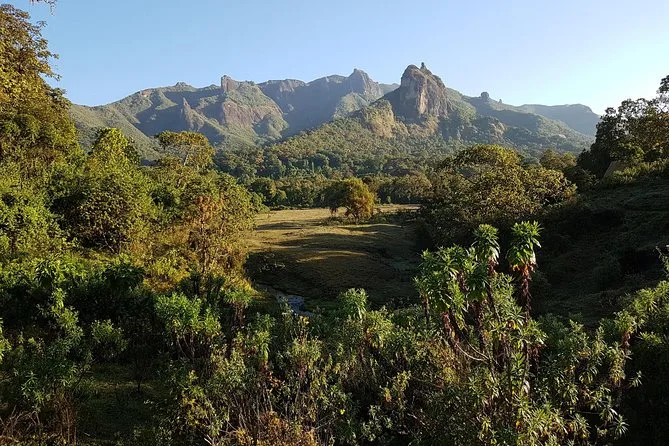
The next morning, we drove southeast toward Bale Mountains National Park. The landscape shifted from busy city to green fields where Oromo farmers worked with oxen. By afternoon, Dinsho headquarters came into view—a cluster of buildings surrounded by wildflowers and tall trees. Walking around with our park scout, we spotted Menelik’s Bushbuck darting through the brush and Mountain Nyala grazing quietly nearby. Birdwatchers will love it here: blue-winged geese and wattled ibis are everywhere if you look up.
We spent a day hiking around Dinsho and Geysay Valley—early morning is best if you want to catch sight of the elusive Ethiopian wolf. Our guide knew just where to look; I’ll never forget that flash of red fur against green grass. Nights at the lodge were simple but cozy—hot tea tasted extra good after hours on foot.
Packing up with our scout and packhorses, we trekked five hours to Wolla Valley camp. The air was crisp enough to see your breath in the morning. You hear nothing but wind and distant bird calls out here—no cars or city noise at all. Tents went up fast; dinner was basic but filling (lots of injera!).
The trail to Wassema Valley took most of a day—seven or eight hours on foot—but spotting an Abyssinian Wolf made every step worth it. Our guide said they’re among Africa’s rarest canines; seeing one in person felt like winning the lottery.
Crossing Batu Mountain toward Gebre Guracha meant walking through fields dotted with yellow everlasting flowers (locals call them Helichrysm). Rodents scurried underfoot while birds circled overhead—it’s a busy place if you pay attention.
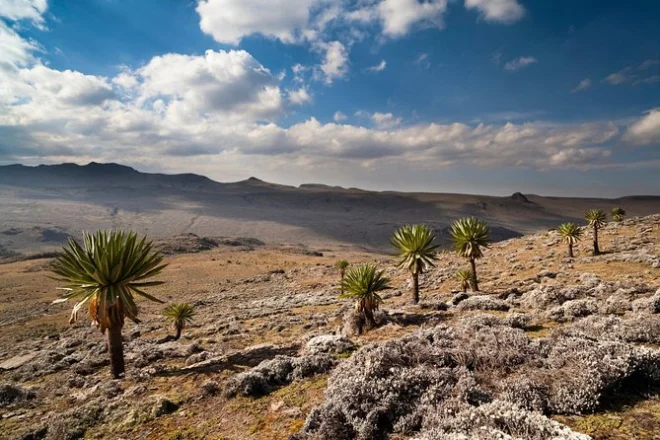
The Sanetti Plateau trek was tough but unforgettable: thin air at 4,377 meters on Tullu Deemtu peak, views stretching forever across volcanic ridges and alpine lakes ringed by giant lobelia plants. We paused often just to catch our breath—and snap photos of those strange rock pinnacles in the distance.
On our last day, we drove back toward Addis Ababa with a few stops by Rift Valley lakes for leg-stretching and birdwatching (flamingos if you’re lucky). That night’s farewell dinner featured spicy stews and dancers from different regions—a lively sendoff before heading home.
 8d
8d

Step-by-step itinerary
Day 1 — Explore Addis Ababa
- Visit National Museum of Ethiopia
- Visit Holy Trinity Cathedrals and Mount Entoto
Day 2 — Drive to Bale Mountains
- Drive to Dinsho Lodge and wildlife viewing
Day 3 — Hike Geysay Valley
- Hike to see endemic mammals and Ethiopian wolf
Day 4 — Trek to Wolla Valley
- Trek 5 hours to campsite through highland vegetation
Day 5 — Trek Wassema Valley
- 7-8 hour trek to spot Abyssinian Wolf
Day 6 — Trek to Gebre Guracha
- Trek through highlands crossing Batu Mountain
Day 7 — Sanetti Plateau Trek
- Trek to Tullu Deemtu peak and explore afro-alpine vegetation
Day 8 — Return to Addis Ababa
- Drive back with stops at Rift Valley Lakes and farewell dinner

Top questions

How fit do I need to be for this trek?
You’ll need moderate fitness since there are several long hiking days (up to 7–8 hours) at altitude. If you walk regularly and are comfortable carrying a light pack, you should be fine.
Are there chances to see Ethiopian wolves?
Yes! The itinerary includes areas where Ethiopian wolves live—our group saw one near Geysay Valley thanks to our guide’s sharp eyes.
What kind of accommodation is provided?
You’ll stay in hotels or lodges in towns and camp in tents during multi-day treks through the mountains. All camping gear is arranged for you.
Is food included? What meals can I expect?
Meals are included during trekking days—expect hearty Ethiopian dishes like injera with lentils or stews plus tea or coffee at campsites.

What’s included
This trip covers airport transfers, all ground transport by air-conditioned vehicle, guided hikes with local experts and scouts, camping equipment during treks, entrance fees for parks and museums, most meals while trekking, plus support staff like packhorse handlers so you can focus on enjoying each day out on the trail.
 Super deal
  Free booking, free cancellation.
  Don't lose your place.


 Do you need help planning your next activity?
  +507 6792-0894


