

 +507 6792-0894


Oxford: Women & Queer Histories Walking Tour with Researcher
 1h 30m
 4.85
(61 reviews)
4.85
(61 reviews)

Summary
Stories of Oxford’s women and LGBTQIA+ communities with local insight
You’ll walk Oxford’s winding streets with a university researcher guiding you through stories of women’s colleges, queer lives like Laurence Michael Dillon’s, and everyday resistance in academic spaces. Expect honest conversation, small surprises (and maybe laughter), plus time to reflect on whose stories get told here—and why they matter.

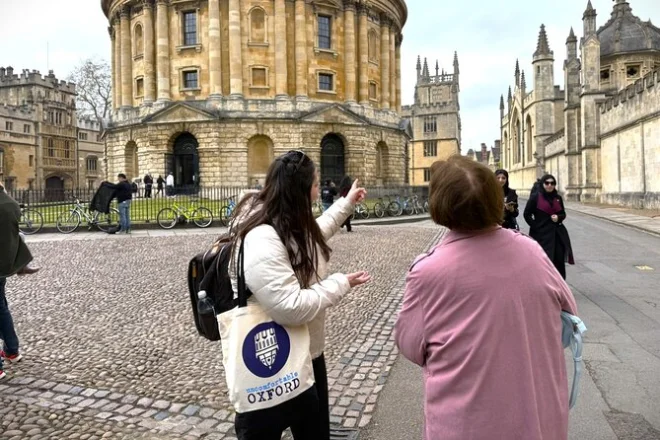
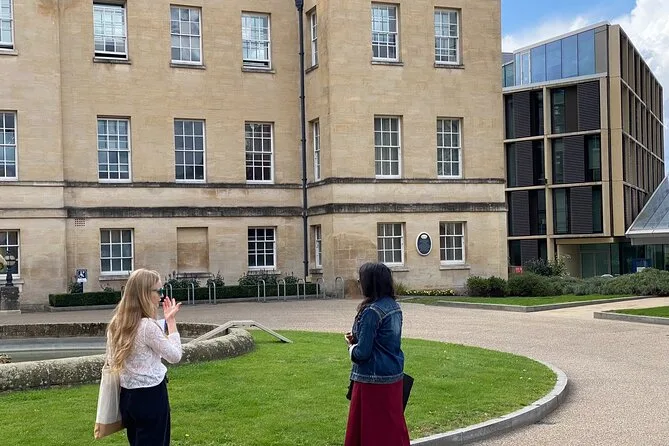
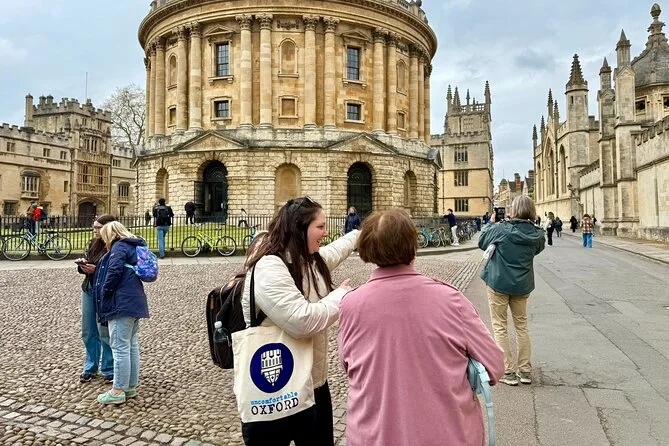
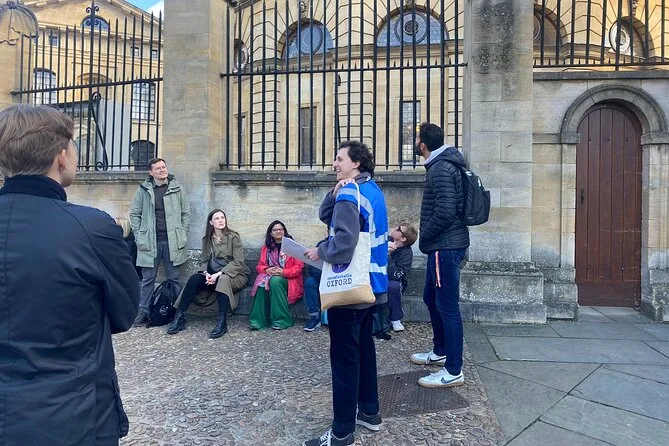
I almost missed the group at the old hospital — turns out I’d walked straight past everyone, too busy staring up at the stonework. Our guide, Maya, waved me over with a grin and said it happens to people all the time. That set the tone right away: not too formal, just honest curiosity about Oxford’s layers. We stood there for a bit talking about how so many histories are hidden in plain sight. You could smell coffee from somewhere close, sharp against the damp stones.
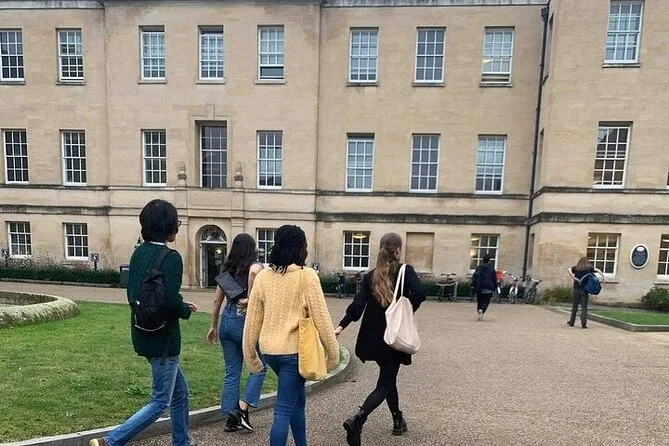
Outside one of Oxford’s women’s colleges, Maya asked if any of us knew when women were first allowed to study here. Someone guessed wrong (me). She laughed and told us about the early struggles — apparently some professors refused to lecture if women were present. It was wild hearing that while watching students zip past on bikes like it was nothing now. At the first nursery for academics, we talked about childcare and how academic life used to be nearly impossible for mothers. There was this old brick wall that felt cold under my hand; I kept thinking about how much has changed but also hasn’t, you know?
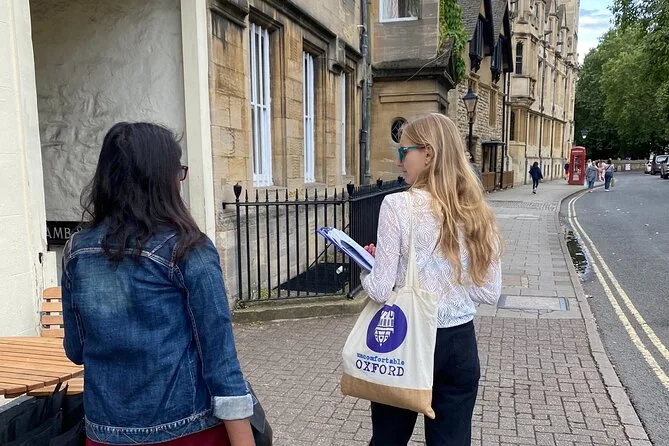
The story of Laurence Michael Dillon stuck with me — Maya explained his journey as a trans man in Oxford decades ago. She didn’t sugarcoat it; there was silence after she finished, just footsteps echoing off the old lanes. Later we wandered through Wadham College where carvings of women from centuries ago looked down at us, some noble, some not so much. I tried to pronounce a name in Latin and Li (another traveler) burst out laughing — probably deserved it.
By the vice-chancellor’s office, Maya pointed out where rules were enforced against women even being seen in certain places after dark. It made me think about who gets remembered in these cities and who doesn’t. The tour ended without much fanfare — just a few of us standing around chatting about what surprised us most. I still think about that moment outside Wadham sometimes when I pass old buildings anywhere else.
1h 30m

Step-by-step itinerary
Day 1 — Explore women's and queer histories in Oxford
- Meet at Old hospital site
- Learn about women's college challenges
- Discuss childcare and academic barriers
- Hear Laurence Michael Dillon's story
- Explore masculinity history in city
- Visit Wadham College women's stories
- Learn about policing of women

Top questions

Is this Oxford women & queer histories tour accessible for wheelchairs?
Yes, the route is wheelchair accessible and suitable for strollers or prams.
Who leads this day trip exploring Oxford's LGBTQIA+ history?
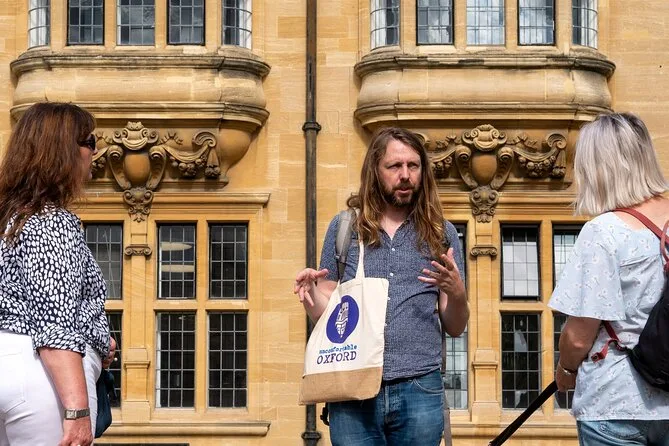
The tour is led by university researchers trained by Uncomfortable Oxford™.
Does this walking tour include stories about trans people in Oxford?
Yes, it covers stories such as Laurence Michael Dillon's history as a trans man in Oxford.
Where does this Oxford women & queer histories tour start?
The group meets at the Old hospital site in central Oxford.
Are service animals allowed on this walking tour?
Yes, service animals are welcome on the tour.

What’s included
Your experience includes an Uncomfortable Oxford™ trained guide—always a university researcher—plus an accessible walking route that works for wheelchairs or strollers. Public transport options are nearby so getting there isn’t tricky either; you’ll spend your time hearing real stories rather than worrying about logistics.
 Super deal
  Free booking, free cancellation.
  Don't lose your place.


 Do you need help planning your next activity?
  +507 6792-0894


