

 +507 6792-0894


Luxury Nile Cruise 4 Nights with Abu Simbel & Temples Tour



Summary
Guided Nile River Cruise: Karnak, Edfu & Abu Simbel Temples
You’ll travel Egypt’s Nile in comfort, exploring ancient temples like Karnak and Abu Simbel with expert guides who handle every detail. From hidden tombs to riverside sunsets and local stories you won’t find in guidebooks—it’s more than just sightseeing; it’s living history.

Stepping off the plane in Luxor, the heat hits you first—dry and a little dusty, but not unpleasant. Our guide, Ahmed, met us with a grin and a bottle of cold water. Before we even boarded the cruise ship, he whisked us straight to Karnak Temple. Walking down the avenue of sphinxes, I could hear the distant call to prayer mixing with chatter from local vendors selling dates and sweet hibiscus tea. The Hypostyle Hall was something else—columns so wide I couldn't wrap my arms halfway around one. Ahmed pointed out Queen Hatshepsut’s obelisks and told us about the sacred scarab statue by the lake (he said if you walk around it seven times, your wish comes true—so of course we tried). By sunset, we were at Luxor Temple, its columns glowing gold in the fading light. Dinner on board felt well-earned after all that walking.
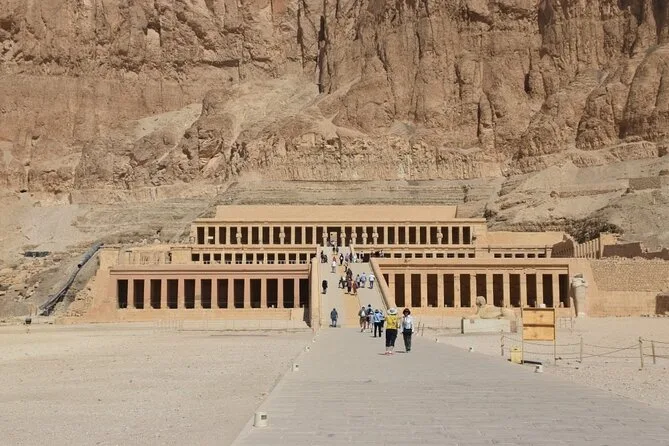
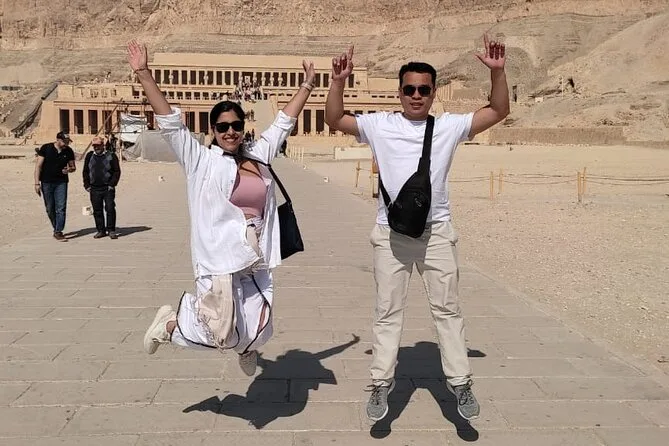
The next morning started early with breakfast on deck as we watched hot air balloons float over the West Bank. The Valley of the Kings was cooler than I expected inside—almost chilly compared to outside. We got to see three tombs; each one had colors that looked freshly painted despite being thousands of years old. At Hatshepsut’s temple, our guide explained the carvings showing her expedition to Punt (I’d never heard of it before). The Colossi of Memnon stood quietly in a field—birds perched on their heads—and Ahmed shared some stories about their mysterious “singing” at dawn. Back on board, we set sail for Edfu as fishermen waved from tiny boats.
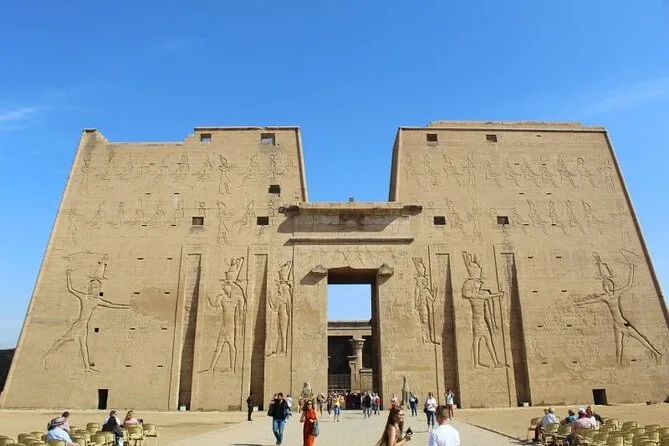
After breakfast (the falafel was surprisingly good), we visited Edfu Temple—dedicated to Horus. It’s one of the best-preserved temples in Egypt; you can still see soot marks from when locals used it as shelter centuries ago. Later that day, Kom Ombo Temple waited for us right by the riverbank. Crocodile mummies in glass cases made me jump a bit—they’re real! We sailed into Aswan under a sky full of stars.
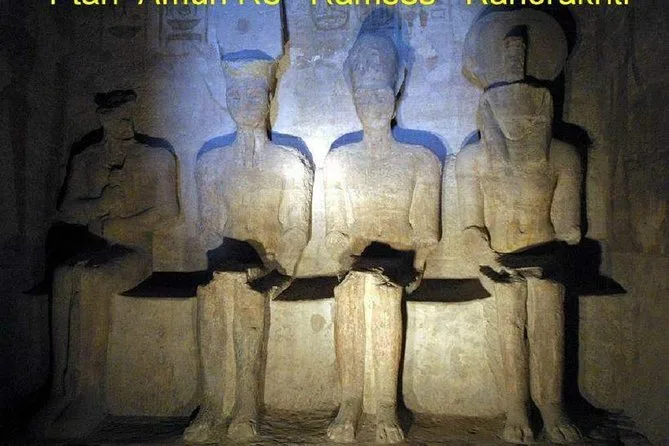
Abu Simbel meant an early start—up before sunrise and onto a bus with our group. The drive’s long but worth it; seeing those giant statues of Ramses II up close is something I’ll never forget. Our guide handled all the tickets and timing so we didn’t have to stress about anything. Lunch back on the boat tasted extra good after that adventure.
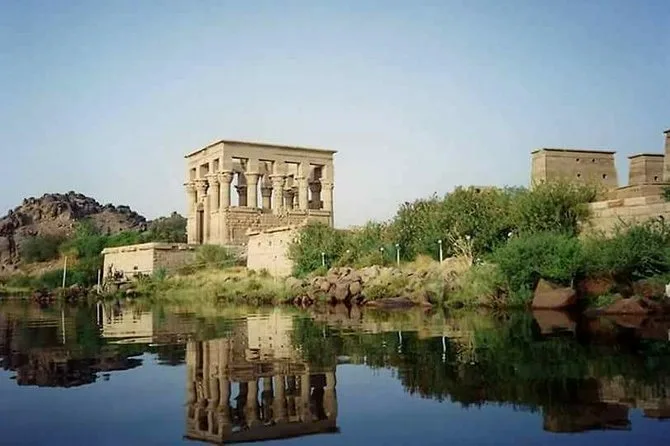
On our last day, we visited Philae Temple by boat—the island setting is peaceful and there’s always a breeze off the water. The scent of incense drifted from a nearby shrine while Ahmed explained how they moved the whole temple when they built the Aswan High Dam (which we saw next). After that, it was time for goodbyes and transfers to airport or train station—felt like leaving behind a little piece of history.
 5d
5d

Step-by-step itinerary
Day 1 — Luxor East Bank Temples
- Visit Karnak Temple
- Visit Luxor Temple
Day 2 — Luxor West Bank Highlights
- Visit Valley of the Kings (3 tombs)
- Visit Temple of Queen Hatshepsut
- Visit Colossi of Memnon
Day 3 — Edfu and Kom Ombo Temples
- Visit Temple of Horus at Edfu
- Visit Kom Ombo Temple
Day 4 — Abu Simbel Temple Visit
- Visit Abu Simbel Temple
Day 5 — Aswan Tour and Departure
- Visit Philae Temple
- Visit Aswan High Dam and transfer

Top questions

Is this Nile cruise suitable for travelers with limited mobility?
Yes, the cruise and tours are wheelchair accessible and suitable for all fitness levels. Let us know if you need extra assistance—we’re happy to help.
Are meals included during the cruise?
Yes, all meals are included while you’re on board the Nile cruise ship. You’ll enjoy breakfast, lunch, and dinner daily.
What languages do your guides speak?
Our guides speak both English and Spanish fluently. If you need another language, let us know in advance—we’ll do our best to accommodate.
How early do we leave for Abu Simbel?
The visit to Abu Simbel starts before sunrise so you can see the temples before crowds arrive. It’s an early wake-up but absolutely worth it!

What’s included
Your tour includes a 5-star Nile cruise cabin for 4 nights, all guided tours (in English or Spanish), entrance fees to listed sites, air-conditioned transport throughout, daily meals on board, and transfers at arrival/departure points. Wheelchair access is available everywhere along the route.
 Super deal
  Free booking, free cancellation.
  Don't lose your place.


 Do you need help planning your next activity?
  +507 6792-0894


