

 +507 6792-0894


Cotopaxi, Quilotoa, Baños & Chimborazo: 4-Day Andes Adventure

Summary
Four days hiking volcanoes, lakes and waterfalls with locals
You’ll hike Cotopaxi’s slopes with a local guide, wander vibrant markets near Quilotoa Lagoon, feel spray on your face at Baños waterfalls and walk among llamas at Chimborazo’s foot. Every day brings new textures: thin mountain air, warm soup lunches, laughter in two languages — and moments that stick long after you’re home.


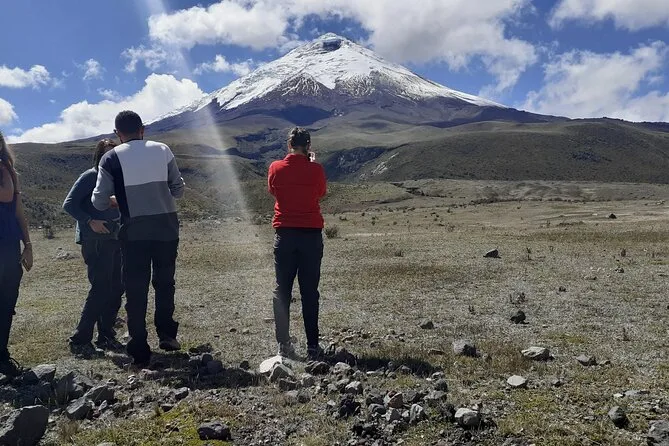
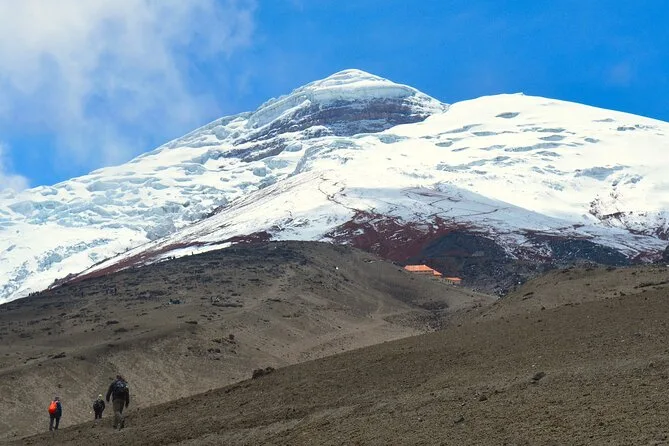
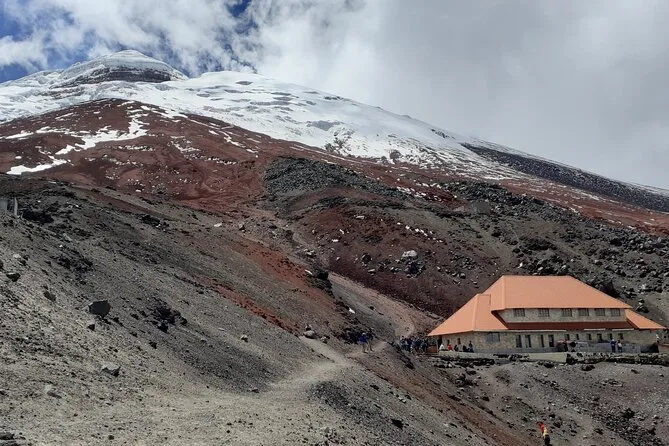
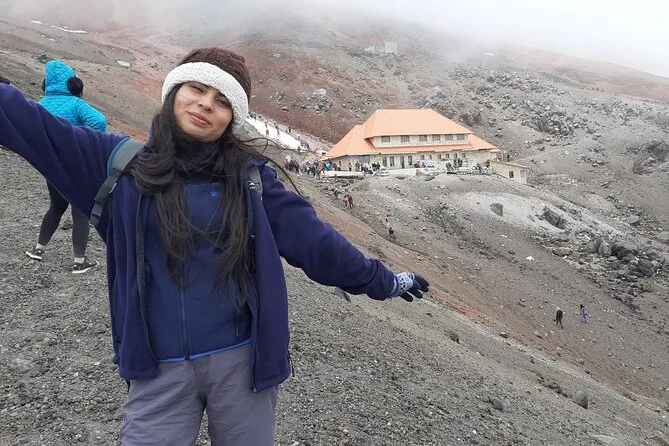
Hands stuffed deep in my pockets (it was colder than I’d guessed), I watched our driver, Marco, wave us into the van outside our Quito hotel. He grinned and said something about Cotopaxi’s mood that morning — apparently you can tell by the clouds if she’s going to play nice. The drive out was quiet at first, just the hum of tires and the smell of coffee from someone’s thermos. When we finally reached Cotopaxi’s base, the air felt thin and sharp; I could taste dust and pine needles. Our guide Carla kept us laughing as we hiked up toward José Rivas Refuge — she teased me for stopping every five minutes to catch my breath (I swear it’s the altitude). The climb up to those glaciers at nearly 5,000 meters is no joke. Lunch after tasted like actual gold.
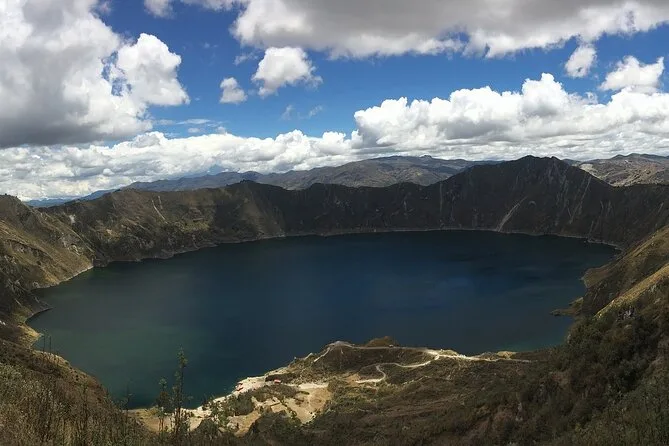
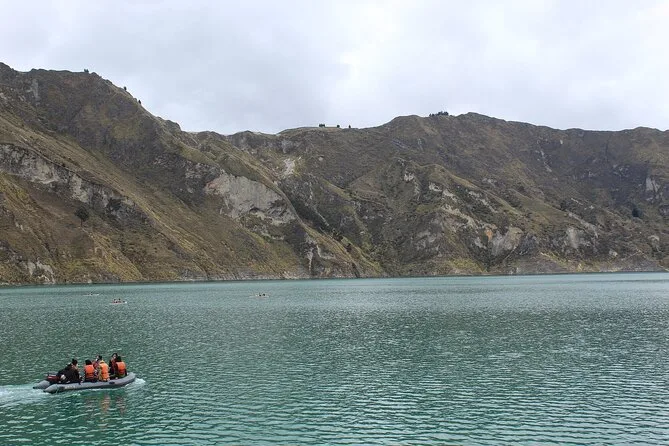
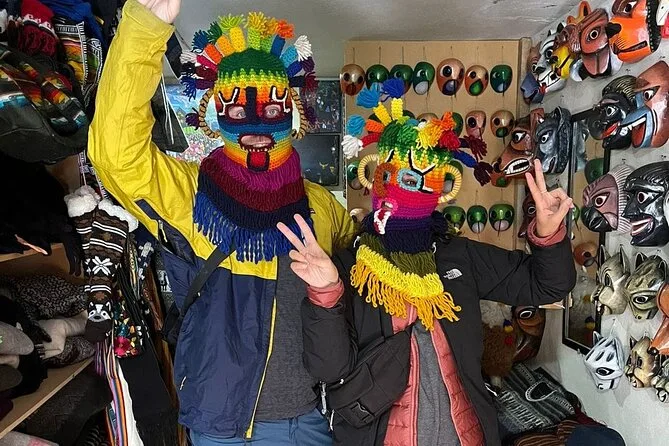
Next day was a blur of color — Saquisilí market stalls bursting with fruit and woven hats, women bargaining in Kichwa while we tried not to look too lost. We stopped by Tigua to see painters working on those bright animal scenes; I bought a tiny one that still smells faintly of paint. At Quilotoa Lagoon, the wind whipped so hard it stung my cheeks but the water below was this unreal blue-green. We slid down the sandy path (my shoes will never recover) and I tried kayaking — ended up spinning in circles mostly. The climb back up is rough unless you grab a mule ride (I didn’t, but honestly wish I had).
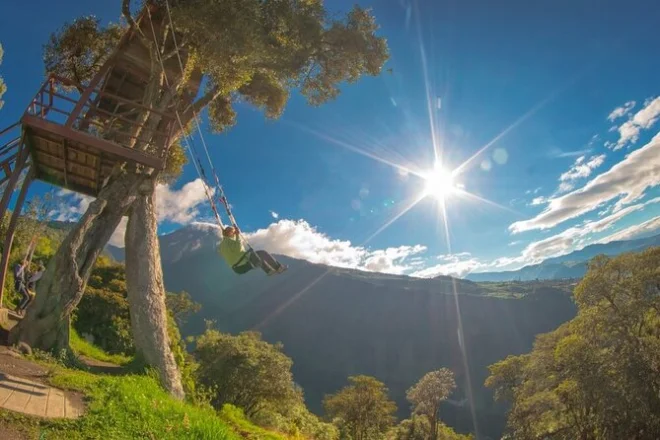
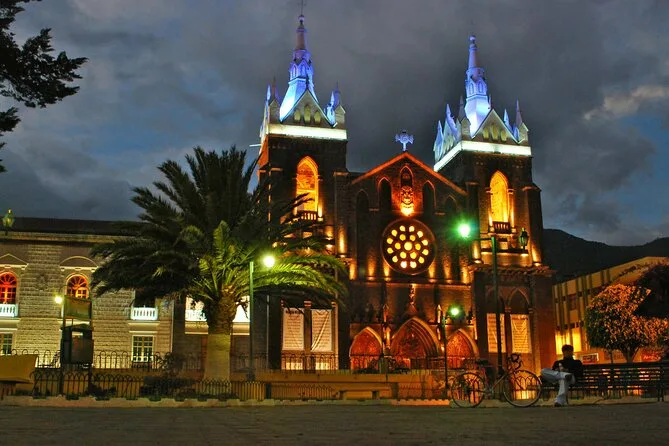
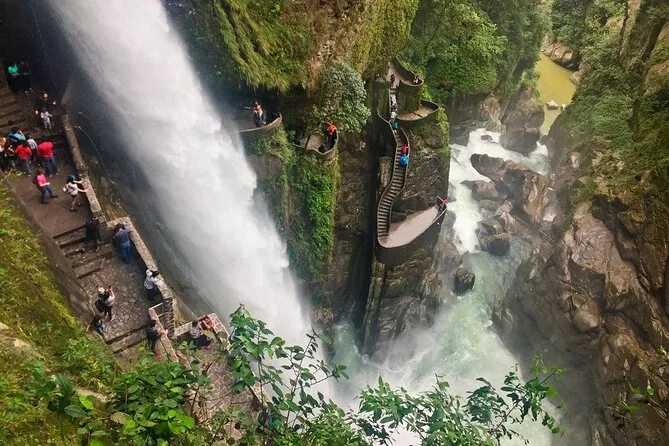
Baños felt softer somehow — misty mornings and hot bread from street vendors. Our guide showed us Pailón del Diablo waterfall where you get soaked just standing near it; the roar drowns out any thought for a minute or two. There’s this bridge over the canyon where my legs went wobbly but everyone cheered each other on. If you like goofy photos, there are plenty of stops for that too — some with swings over nothing but air.
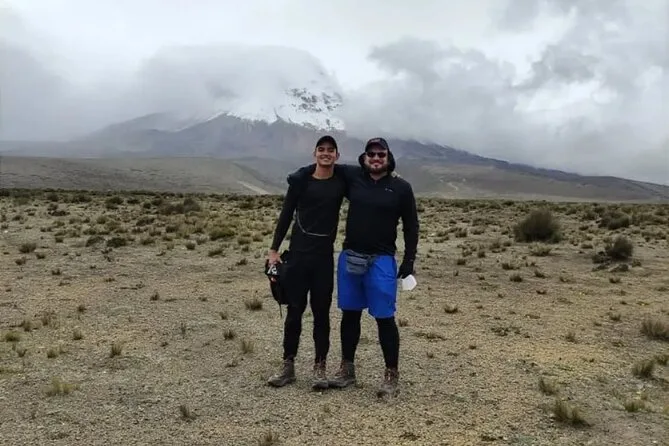
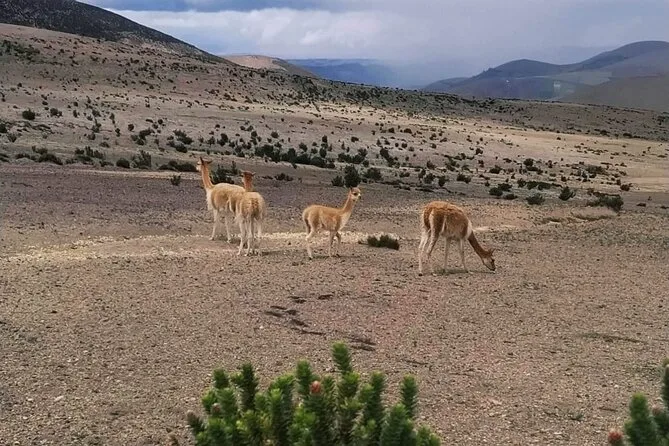
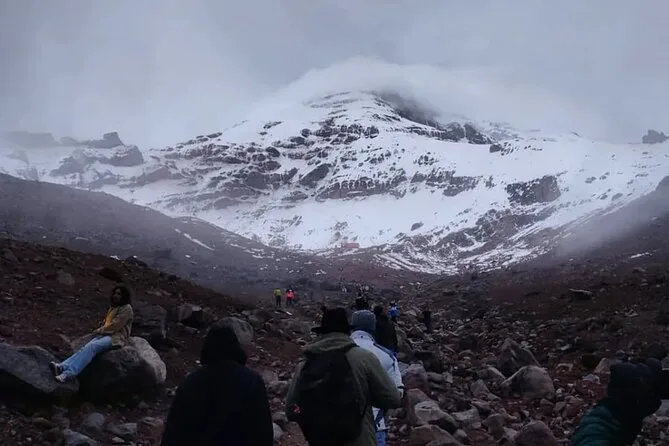
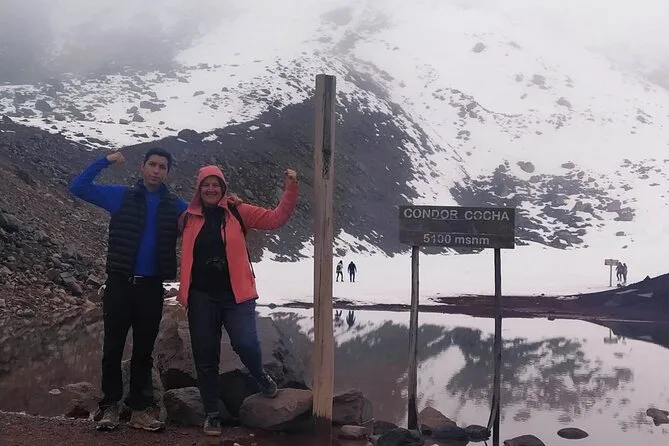
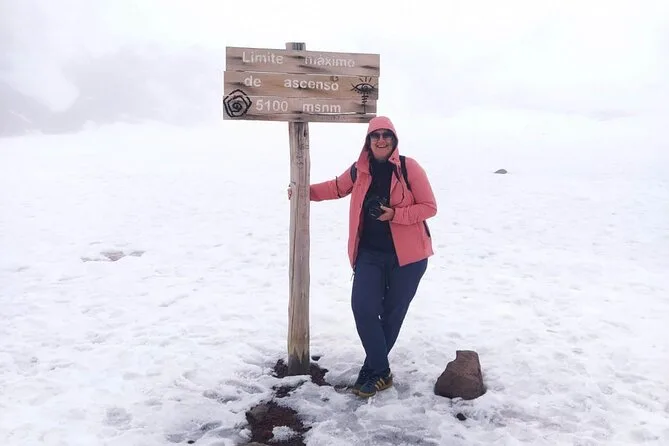
The last day at Chimborazo started early; breakfast was simple but warm. The road up is bumpy and kind of hypnotic — llamas everywhere, big-eyed and unbothered by passing vans. Walking up past 5,000 meters made me feel both tiny and sort of invincible at once. Carla pointed out condors circling way above us while we caught our breath near Laguna Condor Cocha. By then I’d stopped caring about dusty boots or cold fingers; it just felt good to be there with people who know these mountains inside out.
 4d
4d

Step-by-step itinerary
Day 1 — Cotopaxi Volcano and Limpiopungo Lagoon
- Pick up at 8:30 am hotel
- Travel to Cotopaxi Volcano
- Enter National Park
- Stop for photos and shopping
- Drive to parking lot
- Hike to José Rivas Shelter
- Hike to volcano glaciers
- Descend to Limpiopungo Lagoon
- Lunch with soup, entree, drink
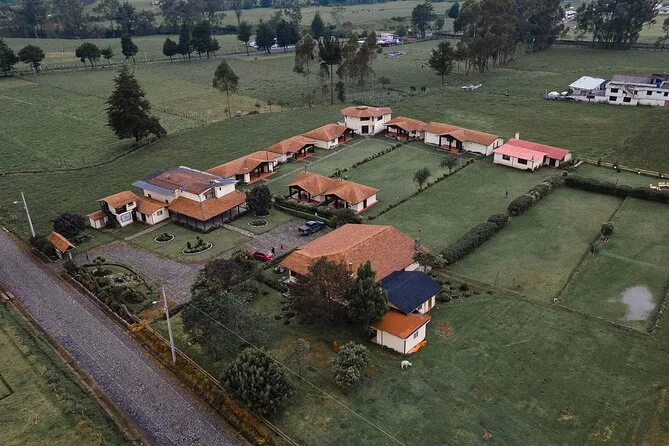
- Transfer to hotel in Pujilí or Latacunga
Day 2 — Quilotoa Lagoon and Baños
- Pick up at 8:30 am hotel
- Travel to Quilotoa Lagoon
- Visit indigenous market
- Visit Tigua painters
- Visit Toachi Canyon
- Arrive at Quilotoa Lagoon
- Descend to lagoon and enjoy
- Optional kayak or mule rental
- Lunch with soup, main course, drink
- Travel to Baños city
- Rest at hotel in Baños
Day 3 — Baños Waterfalls and Chimborazo Travel
- Breakfast and start Baños activities
- Visit Baños town
- Tour waterfalls route
- Visit Pailón del Diablo waterfall
- Optional San Martin adventure park
- Photos in theme parks
- Lunch with soup, entree, drink
- Travel to Chimborazo area
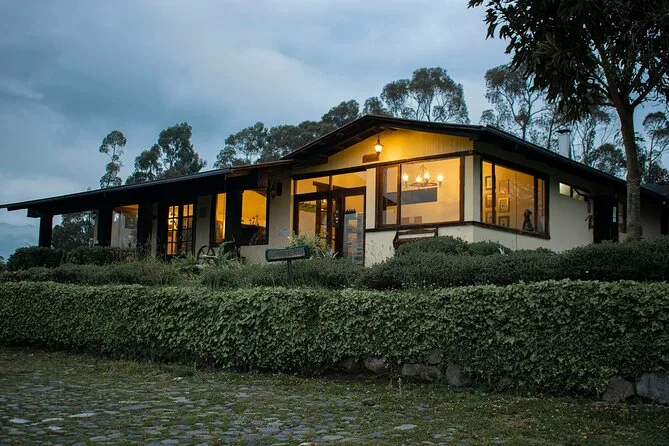
- Rest at hotel near Chimborazo or Riobamba
Day 4 — Chimborazo Volcano Reserve Hike
- Breakfast and start Chimborazo activities
- Access Chimborazo Volcano reserve
- Drive to first Hns Shelter at 4800m
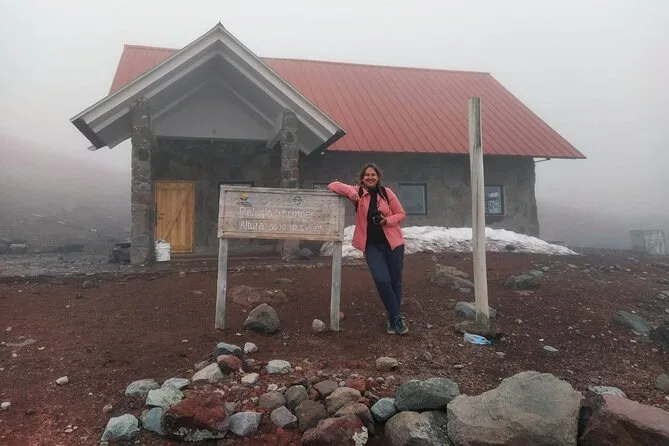
- Walk to second Whymper Shelter at 5000m
- Hike last 100m to Laguna Condor Cocha
- Descend and depart Chimborazo
- Lunch with soup, entree, drink
- Return to Quito and end tour

Top questions

How long does the Cotopaxi Quilotoa Baños Chimborazo tour take?
The tour lasts 4 days and 3 nights starting from Quito.
Is hotel pickup included for this Andes adventure?
Yes, hotel pickup in urban Quito is included at 8:30 am on day one.
Are meals provided during the tour?
Lunch is included each day; breakfast is provided at hotels in Baños and near Chimborazo.
Do I need to be very fit for this trip?
You should have at least moderate fitness as there are hikes at high altitude.
Can infants join this tour?
Infants can join; small children can ride in a stroller or sit on an adult's lap.
Is kayaking at Quilotoa Lagoon included?
No, kayak rental costs $3.50 extra and is optional.
What towns do we stay overnight in?
You stay overnight in Pujilí or Latacunga after Cotopaxi, then Baños after Quilotoa, then near Chimborazo or Riobamba after Baños.

What’s included
Your four days include private transportation with hotel pickup from Quito, all entry fees for Cotopaxi Volcano, Limpiopungo Lagoon, Quilotoa Lagoon (plus community contribution), Tigua painters’ village visits, Baños waterfalls route including Pailón del Diablo, Chimborazo reserve access—and daily lunches featuring local soups and main dishes along the way with your certified bilingual guide leading every step.
 Super deal
  Free booking, free cancellation.
  Don't lose your place.


 Do you need help planning your next activity?
  +507 6792-0894


