

 +507 6792-0894


San Jose: Walking Nature Tour with Sloths & Birds
 2h 30m
 4.93
(879 reviews)
4.93
(879 reviews)





Summary
Walk through San Jose’s hidden green campus spotting sloths and birds with a biologist
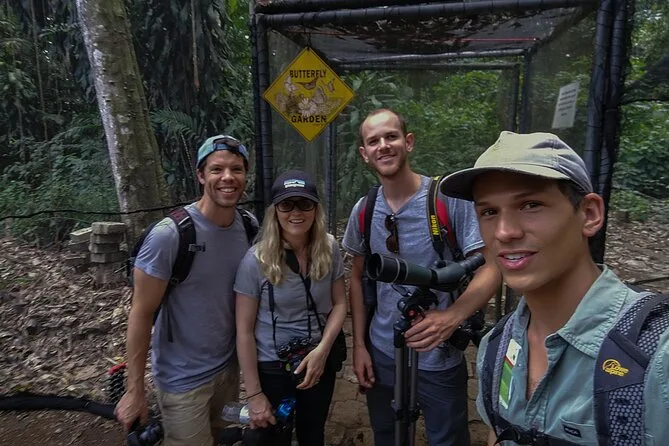
You’ll wander shaded paths with a local biologist in San José, scanning treetops for wild sloths (sometimes sleeping), listening for birds you’d never expect in the city, tasting edible plants right off the path. It’s relaxed but surprisingly personal—expect real stories from your guide and small moments that stick with you after you leave.

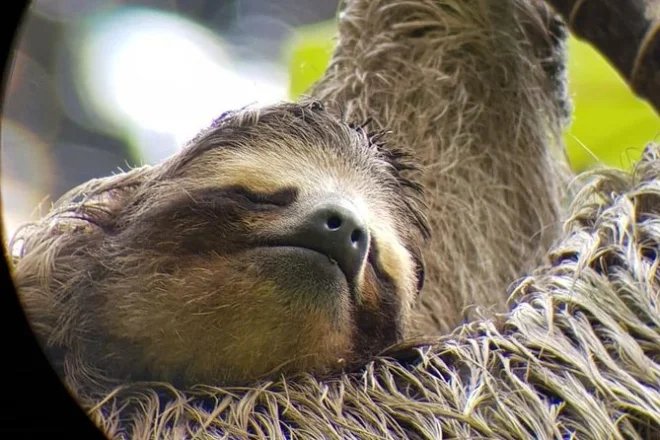
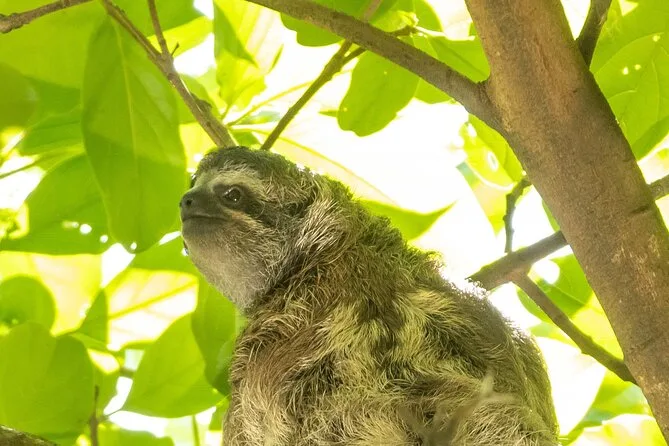
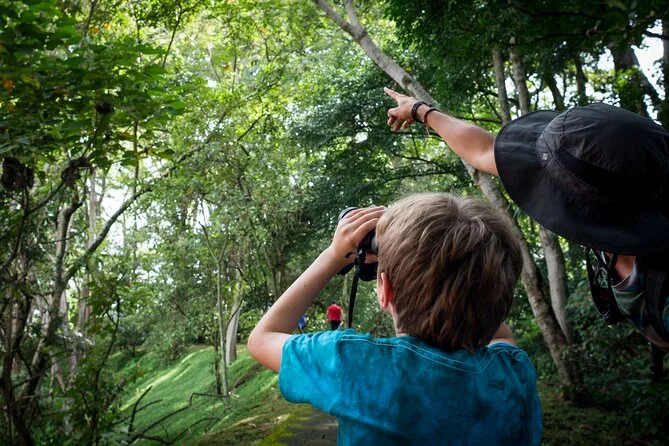
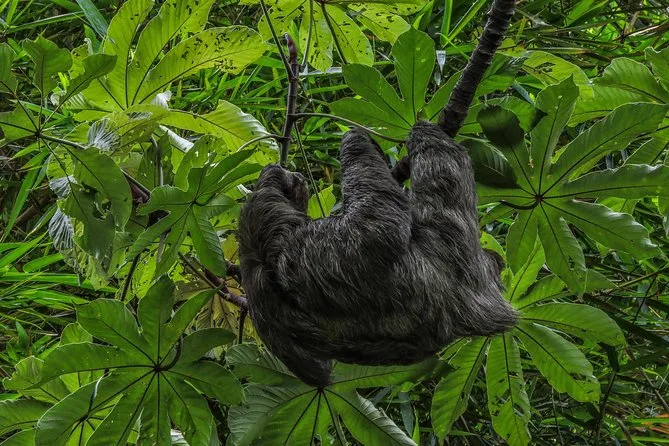
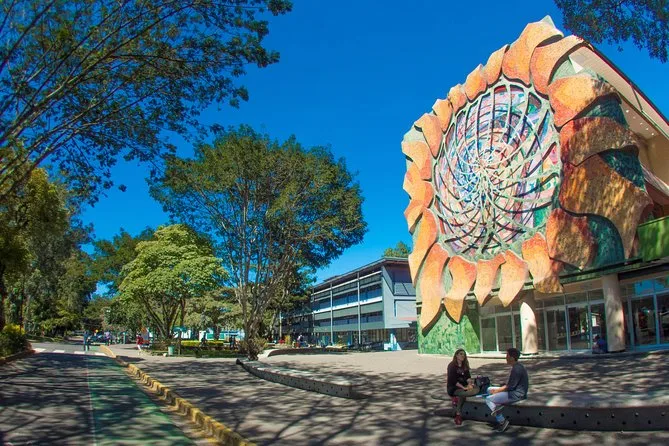
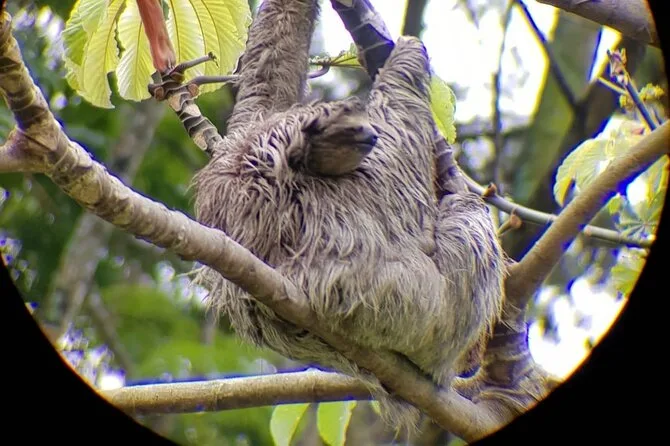
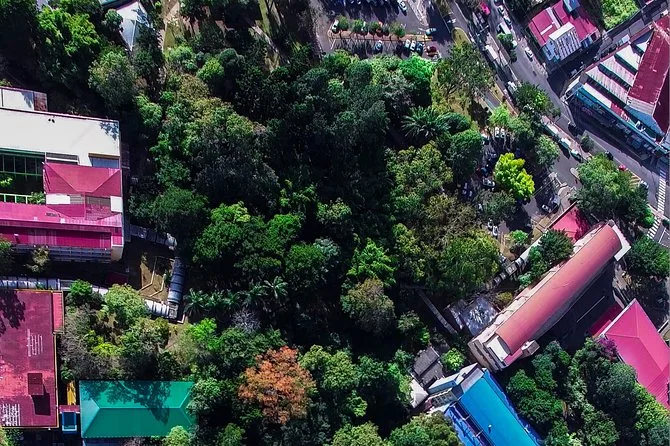
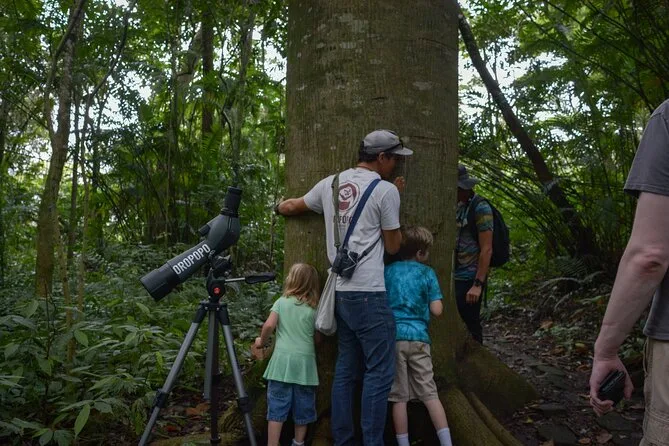
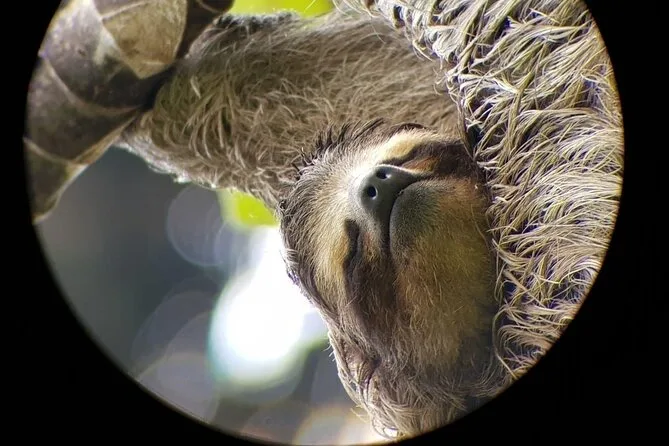
The first thing I noticed was how the city noise faded as soon as we stepped onto the University of Costa Rica campus. Our guide, Sofía—a biologist who seemed to know every leaf—paused under a giant fig tree and pointed up. “That’s where they like to nap,” she whispered, handing me binoculars. I squinted into the branches, not really expecting much, but there it was: a sloth, curled up like an awkward pillow. I probably stared too long. The air smelled faintly sweet, almost grassy after last night’s rain.
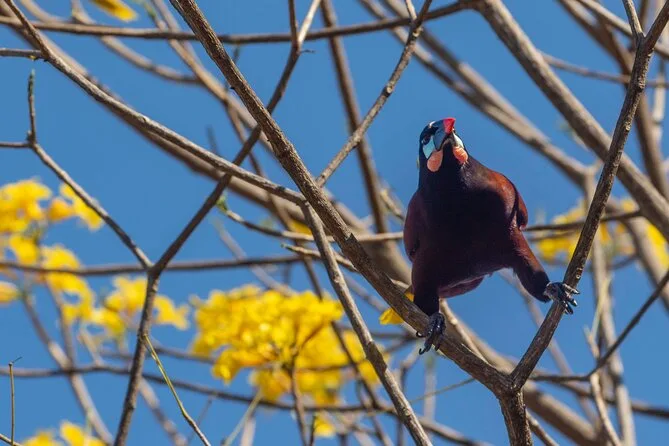
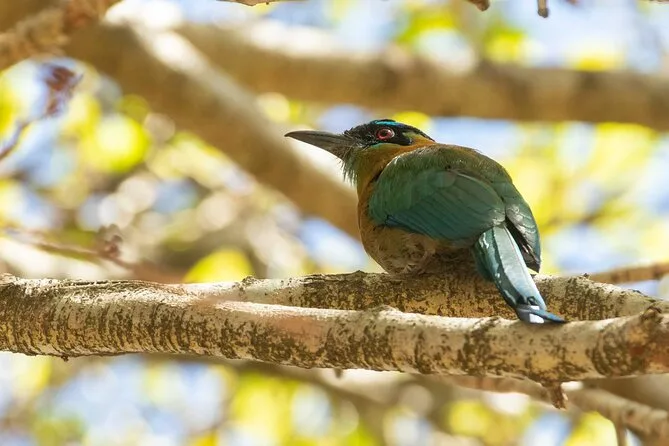
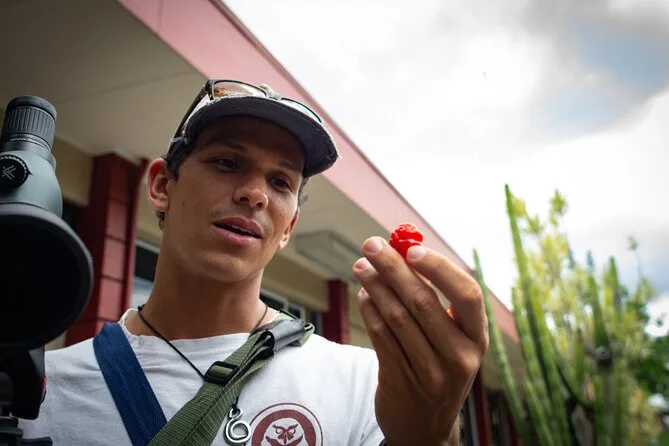
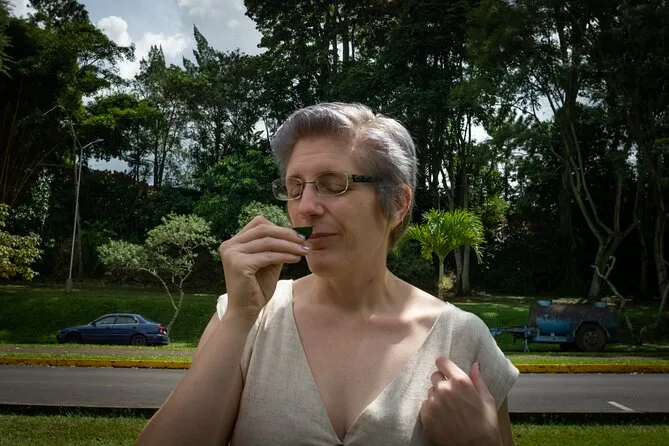
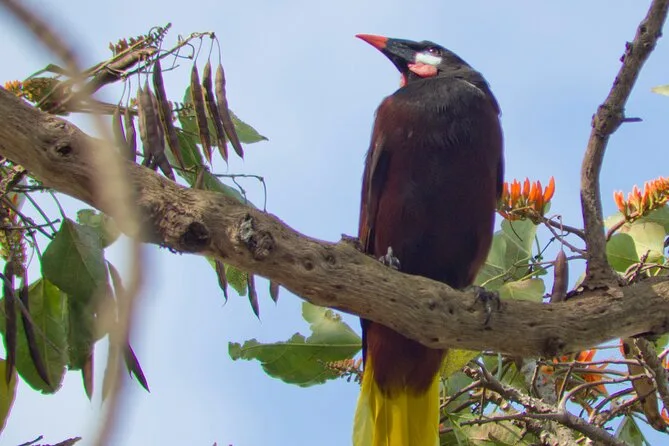
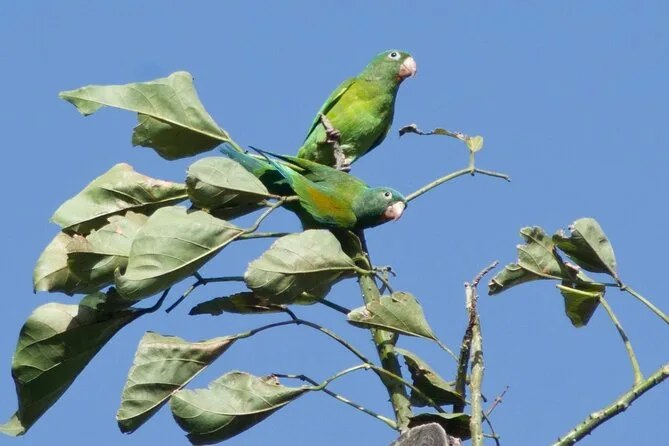
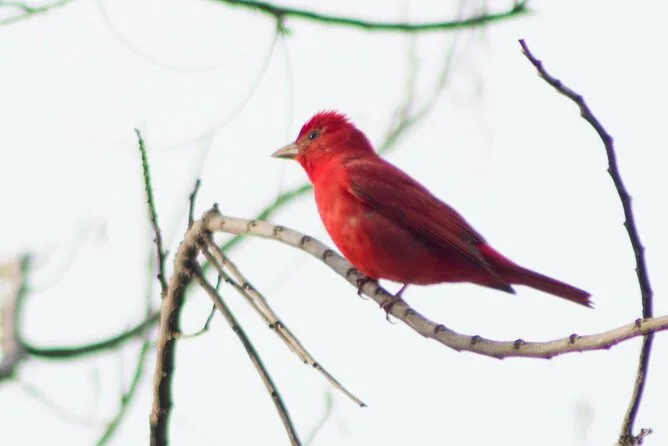
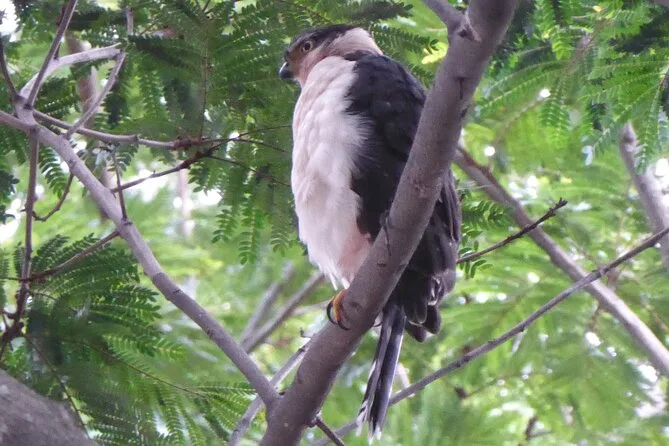
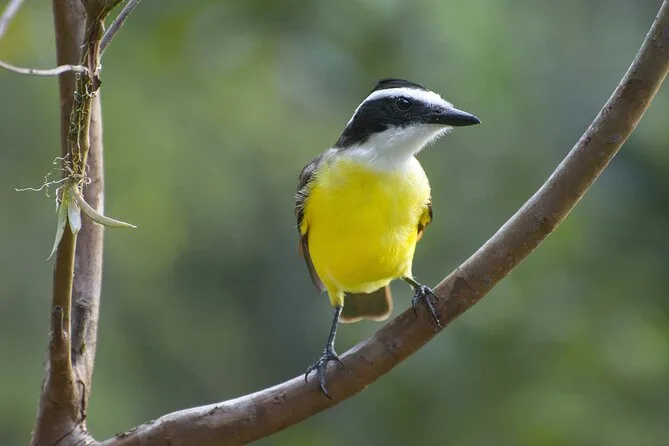
I didn’t expect to hear so many birds this close to downtown San José. At one point, Sofía stopped mid-sentence because a turquoise tanager zipped by—she grinned and rattled off its name in Spanish (I forgot it instantly). We tasted some weird little berries she picked for us (edible! tangy!) and talked about how students use these patches of forest between classes. There was this moment where someone in our group tried to spot another sloth but just found a squirrel instead—everyone laughed, even Sofía.
The sun came out hard halfway through, and I realized why they recommend mornings for this walking nature tour in San José. Still, nobody seemed to mind much; we just moved slower and found shade when we could. A couple of us traded stories about wildlife back home—Sofía listened patiently and then told us about Funga Conservation, which gets part of the tour fee. That stuck with me more than I thought it would.
2h 30m

Step-by-step itinerary
Day 1 — Explore nature on University of Costa Rica campus
- Visit University of Costa Rica campus forest
- Look for resident and migratory birds
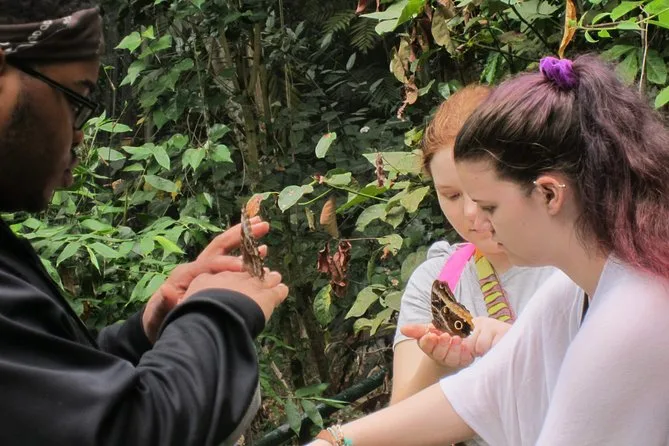
- Observe insects, plants, and flowers
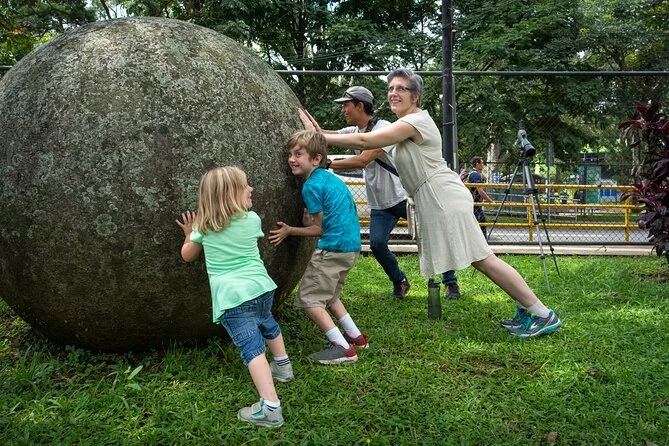
- Discuss art, history, and indigenous culture
- Search for wild sloths in natural habitat

Top questions

How long is the San Jose walking nature tour?
The tour lasts around 2.5 hours on foot through the university campus.
Will I see sloths on this tour?
You may spot wild sloths in their natural habitat; sightings are likely but not guaranteed since they roam freely.
Is this tour suitable for all fitness levels?
Yes, the walk is gentle and suitable for all physical fitness levels.
Are binoculars provided on the tour?
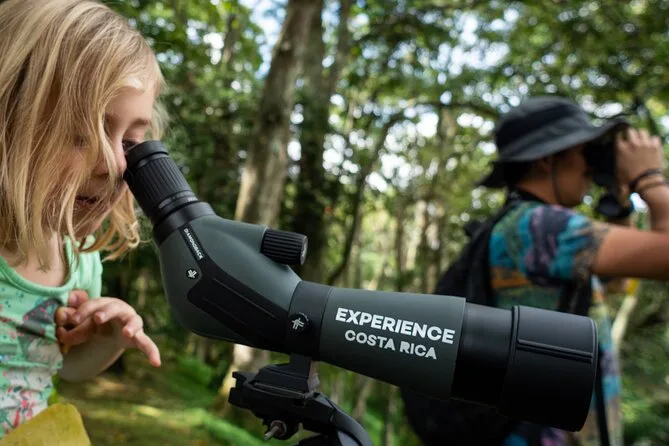
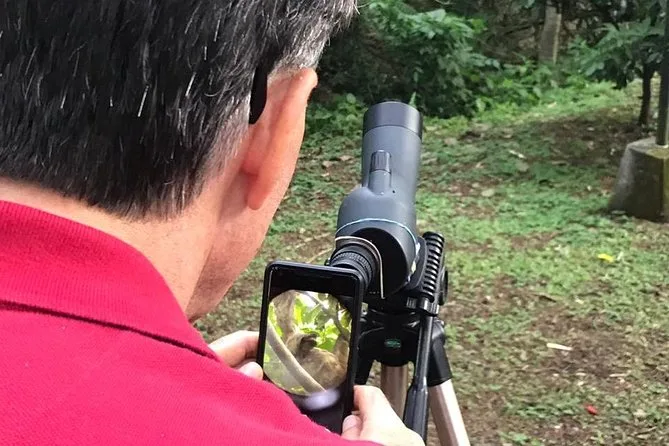
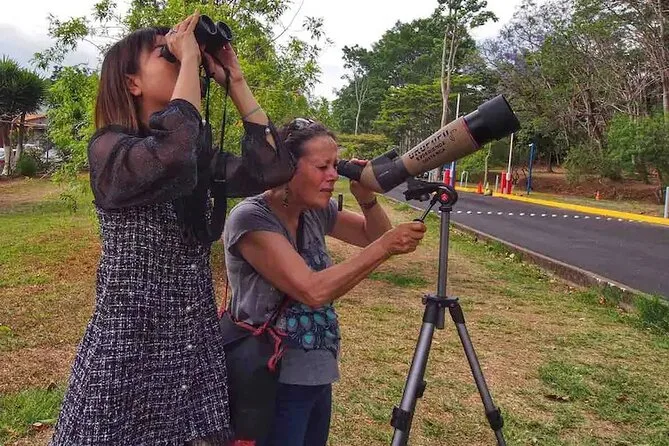
Yes, binoculars or a telescope are provided for bird and sloth watching.
Does the tour include hotel pickup?
No hotel pickup is included; public transport options are nearby.
What animals can I expect to see?
You’ll look for birds (resident and migratory), insects, plants, flowers—and hopefully wild sloths.
Is this a rescue center or sanctuary?
No, this is not a rescue center or sanctuary; animals are observed in their natural environment only.

What’s included
Your day includes entry fees to the University of Costa Rica campus plus use of binoculars or telescope for spotting wildlife along with all taxes covered; you’ll be guided by an English-speaking local biologist who shares stories as you go—no hotel pickup needed but public transportation is close by.
 Super deal
  Free booking, free cancellation.
  Don't lose your place.


 Do you need help planning your next activity?
  +507 6792-0894


