

 +507 6792-0894


Guanacaste: Turtle nesting night tour with local guide


Summary
Night walks in Guanacaste to see turtles nesting with a guide
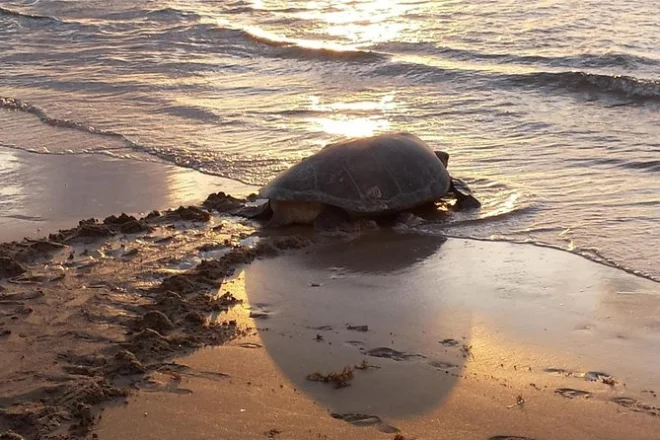
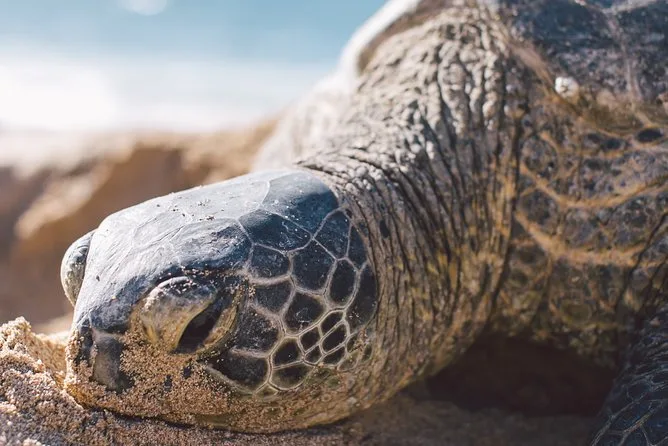
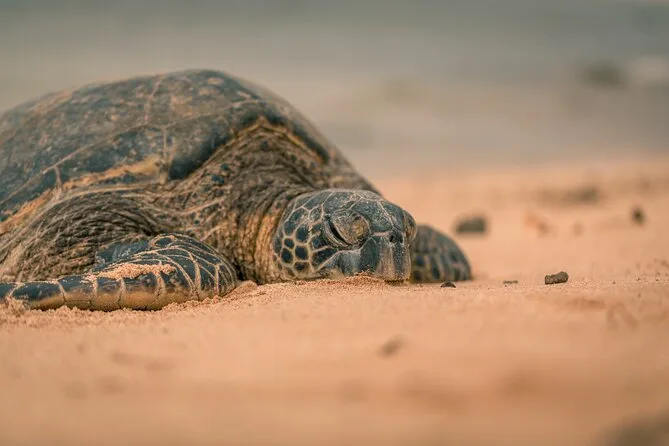
You’ll walk quietly along a Guanacaste beach at night with a local guide, using special red lights to spot Green Sea Turtles or Olive Ridleys nesting in the sand. Learn about their habits up close and maybe catch a glimpse of rare Leatherbacks if you’re lucky—an experience you’ll carry long after you leave Costa Rica.

The first thing I noticed was how quiet it got as we left the van — even the crickets seemed to hush when our group stepped onto the sand. Our guide, Mariela, handed out bottled water and those special red lights (she called them “turtle-friendly”), and reminded us not to use our phones or flashlights. The air felt heavy, almost sticky, but honestly, I barely noticed once we started walking toward the shore. Somewhere behind us, someone whispered in Spanish about seeing a Leatherback last week — I tried not to get my hopes up.
We followed Mariela along the beach in Guanacaste, careful not to trip over driftwood hidden in the dark. She pointed out faint tracks in the sand — “Green Sea Turtle,” she said, tracing her finger along the groove. I crouched down and could actually smell the salt mixed with something earthy from the dunes. Suddenly she stopped and signaled for silence; there was this big shape just ahead, moving slow and deliberate. Watching that turtle dig her nest by moonlight felt weirdly intimate — like we were intruding on something ancient. My shirt stuck to my back but I didn’t care.
I tried whispering “Olive Ridley” (Li laughed when I tried to say it in Spanish — probably butchered it), and Mariela grinned at us both. She explained how they come ashore mostly from October through May, always at night so they’re safer from predators. We saw two more turtles that night, one already laying eggs while another covered her nest with those strong back flippers. No babies hatching this time — maybe next season — but honestly? Just being there was enough.
Walking back, I kept thinking about how careful everyone was not to disturb anything — no bright lights, no sudden movements. It’s strange how you can feel so small watching these creatures do what they’ve done forever. Even now, weeks later, I still remember that hush on the beach and how it felt standing there under all those stars.
 2h
2h

Step-by-step itinerary
Day 1 — Turtle Nesting Night Tour
- Observe Green Sea Turtles nesting
- Watch Olive Ridley Turtles
- Possibly see rare Leatherback Turtles
- Learn about spawning and nesting with guide

Top questions

What types of turtles can I see on this Guanacaste night tour?
You may see Green Sea Turtles (also called black turtles), Olive Ridley Turtles, and sometimes rare Leatherback Turtles during nesting season.
When is turtle nesting season in Guanacaste?
The peak season is mainly from October through May when most turtles come ashore at night to nest.
Is hotel pickup included for this turtle nesting tour?
The tour includes pickup by air-conditioned vehicle as part of your booking.
Are guides bilingual on this turtle nesting experience?
Yes, a bilingual naturalist guide leads the tour and explains everything about turtle nesting behavior.
Can I use my camera or flashlight during the tour?
No flashlights or flash photography are allowed because light may confuse or disturb the turtles; guides provide special infrared lights instead.
Is this turtle nesting tour suitable for all fitness levels?
Yes, it’s suitable for all physical fitness levels as walking is gentle and paced slowly along the beach.

What’s included
Your evening includes pickup by air-conditioned vehicle from your location in Guanacaste, bottled water for everyone in your group, and guidance throughout by a bilingual naturalist who provides special infrared lights so you can watch turtle nesting without disturbing them.
 Super deal
  Free booking, free cancellation.
  Don't lose your place.


 Do you need help planning your next activity?
  +507 6792-0894


