

 +507 6792-0894


Medellin Memory Tour: Local Metro, Street Art & Museum Visit





Summary
Explore Medellin’s History by Metro and Cable Car
You’ll ride Medellin’s metro and cable cars like a local, taste tropical fruits at a bustling market, reflect at Escobar victims’ memorials, and dive deep into Colombia’s past at the Memory Museum—all with an expert guide who brings every story to life.

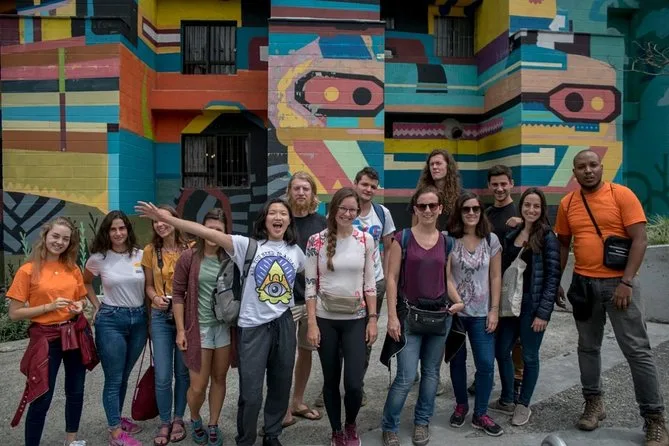
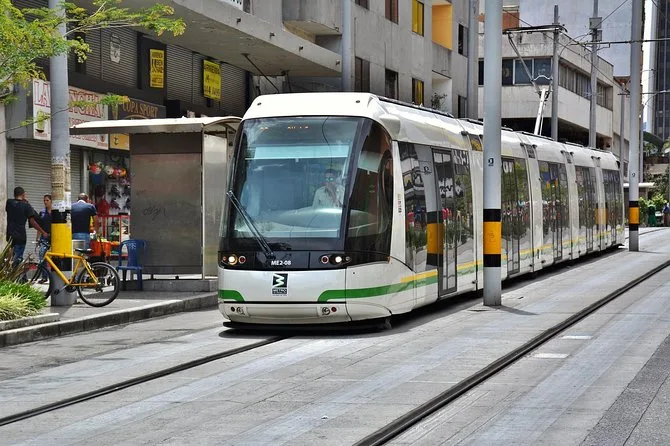
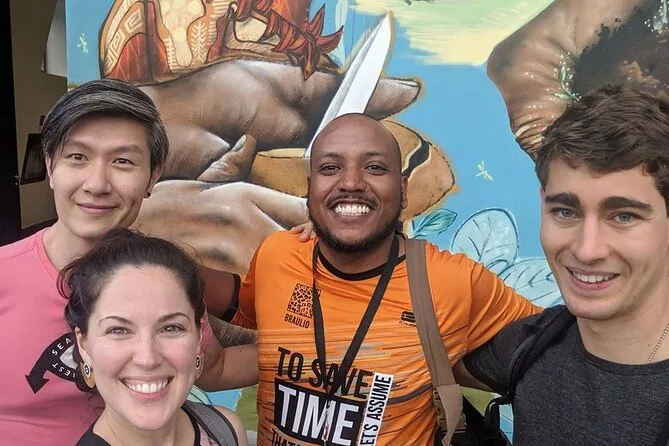
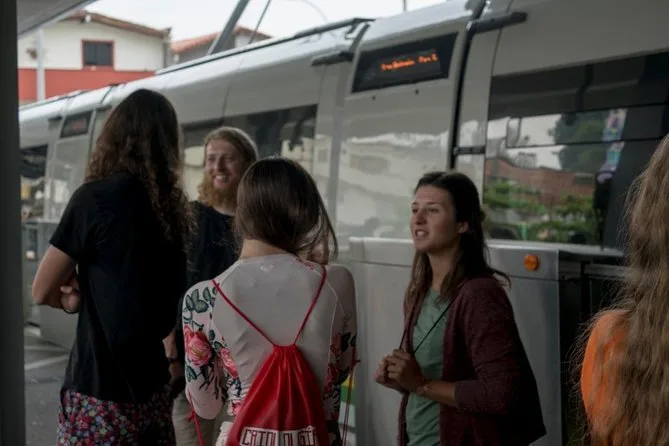
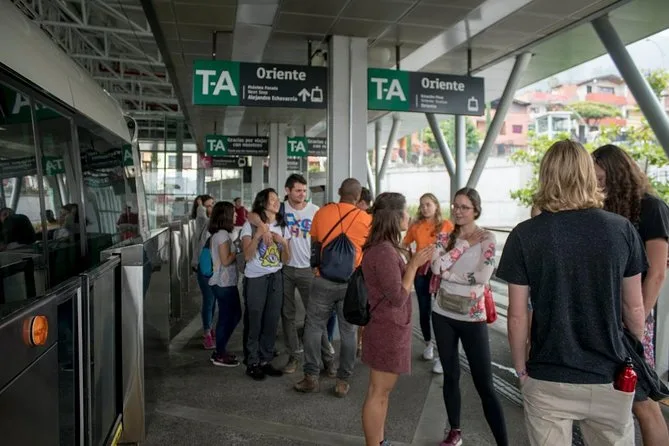
The morning air in Medellin always has this soft freshness—sometimes you catch the scent of arepas grilling from a nearby vendor. We met up at Poblado Metro station, right where the city buzzes with locals heading to work. Our guide, Ana, handed us our metro cards and explained how the city’s public transport became a symbol of hope after years of violence. It felt good blending in with commuters instead of standing out as tourists.
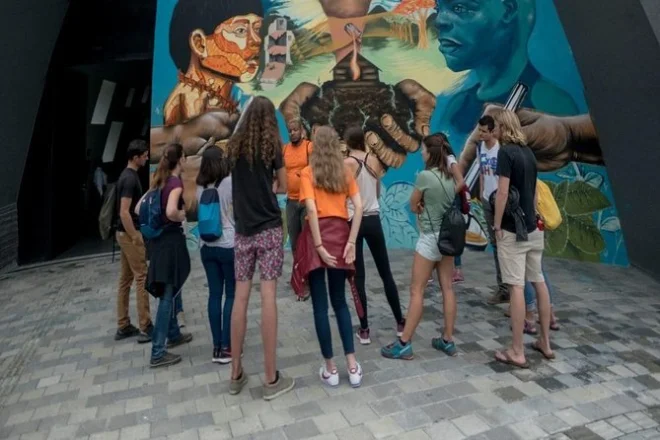
Our first stop was the Pablo Escobar Victims Memorial. There’s no fanfare here—just quiet reflection and stories that hit hard. Ana shared how families come to leave flowers or notes, and I noticed a small group doing just that while we listened. The mood shifted as we hopped back on the metro; you could see how much this history still lives in everyday Medellin.
We ducked into one of downtown’s old tango bars next—dim lights, faded posters of Carlos Gardel, and that scratchy sound from an old speaker playing “Por una cabeza.” The bartender nodded at us; apparently, he’s been here for decades. A quick walk later, we passed a tiny theatre with hand-painted signs about tonight’s play—something experimental, Ana said. Locals were already queuing up for tickets.
The real surprise came when we soared above the rooftops in the cable car toward Pan de Azúcar Mount. You get these wide views—patches of green hills mixed with red-brick houses—and if you look down, you’ll spot kids playing football on rooftop terraces. The ride is smooth but there’s always a little jolt when the car leaves each station; it made me laugh every time.
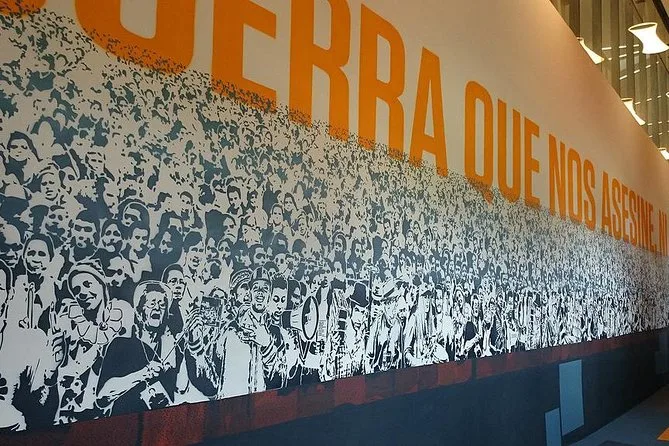
Back on solid ground, we wandered through a local market where fruit sellers offered us slices of lulo and guanabana—tart and sweet at once. I’d never tasted anything quite like it before. Our last big stop was the Museo Casa de la Memoria (if it’s open), where interactive exhibits explain Colombia’s armed conflict without sugarcoating anything. It was heavy but important—I left feeling like I understood Medellin much better than before.
 3h–4h
3h–4h

Step-by-step itinerary
Day 1 — Medellin Immersive City Tour
- You may reach us at Poblado Metro station
- Visit Pablo Escobar victim's memorial
- Pass by Metro Station
- Pass by iconic tango bar downtown
- Pass by local theatre with cultural offer
- Pass by Pan de Azúcar Mount
- Fly above city by cable car
- Gastro discovery with tropical flavors
- Visit Museum of Memory on Colombian conflict

Top questions

Is this tour suitable for kids or people who don’t walk much?
Absolutely! Most of the tour uses public transport or covers short walking distances. Strollers and service animals are welcome too.
What if it rains during the tour?
No worries—about 70% of our route is sheltered from rain. Bring a light jacket just in case; Medellin weather can be unpredictable.
Will we have time to try local food?
Yes! We’ll stop at a market where you can sample fresh tropical fruits and snacks unique to Medellin.
Is English or French spoken during the tour?
Your guide speaks native-level English or French so you won’t miss any details or stories along the way.

What’s included
Your 3–3.5 hour guided visit includes all metro and cable car fares, entry to sites (when open), fruity snacks at a local market, expert bilingual guide, skip-the-line access for public transport stops, plus plenty of insider stories about Medellin’s transformation.
 Super deal
  Free booking, free cancellation.
  Don't lose your place.


 Do you need help planning your next activity?
  +507 6792-0894


