
Beijing: Mutianyu Great Wall & Summer Palace Private Day Trip
 Super deal


Summary
Mutianyu’s wild stones then lakeside silence at Summer Palace
You’ll walk ancient stones at Mutianyu Great Wall with a local guide sharing stories you won’t find in any book. Taste real Chinese noodles for lunch before wandering painted corridors and lakeside paths at Beijing’s Summer Palace—all with private pickup and no lines. Expect moments of silence, laughter, and that weird sense of standing inside history.
 8h–9h
8h–9h

Step-by-step itinerary
Day 1 — Visit Mutianyu Great Wall and Summer Palace
- Travel to Mutianyu Great Wall
- Take cable car up the wall
- Walk along ancient stone paths
- Explore watchtowers and take photos
- Enjoy traditional Chinese lunch
- Travel to Summer Palace
- Stroll along Long Corridor
- Visit Marble Boat pavilion
- Explore gardens and pavilions

Top questions

Is hotel pickup included for this Beijing day trip?
Yes, hotel pickup and drop-off within Beijing’s 4th ring road are included.
How long does it take to reach Mutianyu Great Wall from central Beijing?
It usually takes about 1.5 hours by car from central Beijing to Mutianyu Great Wall.
Are entrance fees for both attractions included?
Yes, entry tickets for both Mutianyu Great Wall and Summer Palace are covered.
Can you choose between cable car or chairlift at Mutianyu?
You can pick either cable car or chairlift up; both options are included.
Is lunch provided during this private tour?
A traditional Chinese lunch is included in selected options of this tour.
How much walking is involved at each site?
You’ll walk several sections along the wall plus stroll through gardens at Summer Palace; moderate fitness is recommended.
Is this tour suitable for families with children?
Yes; infants can ride in strollers or sit on an adult’s lap during transport.
Does this tour include airport pickup?
Pek airport pickup is available if you select that option when booking.

What’s included
Your day includes private hotel pickup within Beijing’s 4th ring road (or PEK airport if chosen), all entrance fees for Mutianyu Great Wall and Summer Palace, round-trip cable car or chairlift access plus toboggan down if you want some fun on the way back, an English-speaking local guide sharing stories along every stop, air-conditioned transport with driver throughout, and a traditional Chinese lunch before heading back into town.

I didn’t expect to laugh so much on the drive out of Beijing. Our guide, Li, cracked jokes about his favorite “Great Wall snack” (it’s just roasted sweet potato, but he made it sound like treasure). The city slipped away fast—gray high-rises giving up to green hills—and suddenly we were winding toward Mutianyu. I’d seen photos, but standing there, the wall looked less like a postcard and more like something alive. The air was sharp and piney, almost cold even though it was spring. We took the cable car up (Li said the stairs are “for heroes,” which I am not), and when I stepped onto those stones, they felt worn smooth under my shoes. Some parts were weirdly quiet except for wind and a couple of local kids racing past us, shouting in Mandarin.
Walking along the Mutianyu Great Wall is nothing like I imagined—there’s this rhythm to it: climb, pause, stare out at endless green, catch your breath. Li pointed out where the wall zigzags over the ridge (“That’s where the Mongols tried to sneak through,” he said). My legs started burning way before I thought they would. We stopped in one of the watchtowers for a minute—inside smelled faintly of dust and old stone—and ate tangerines Li had packed. He told us about Ming Dynasty soldiers who used to keep watch here; honestly, I can’t picture anyone living up here for long without going a little mad from all that silence.
Lunch was somewhere nearby—a tiny place with red lanterns hanging by the door. The noodles were hand-pulled and oily in a good way; we tried something called “zhajiangmian” (Li laughed when I tried to say it in Mandarin—probably butchered it). Afterward, we drove back toward Beijing and stopped at the Summer Palace just as late afternoon light hit Kunming Lake. It was quieter than I expected—just some old men playing cards under willow trees and couples taking selfies by the Marble Boat.
The Long Corridor felt endless but kind of magical with all those painted beams overhead. I kept stopping to look at little scenes—dragons chasing clouds or fishermen on riverbanks—each one different. Li explained how every corner here meant something symbolic for emperors; honestly, most of it went over my head but you could feel how much pride he had telling these stories. By the time we left, my feet hurt but my brain was buzzing with images—those stones on Mutianyu, sunlight flickering on lake water at Summer Palace. Sometimes travel days blur together but this one sticks with me—maybe because it felt both huge and oddly personal.
Similar tours
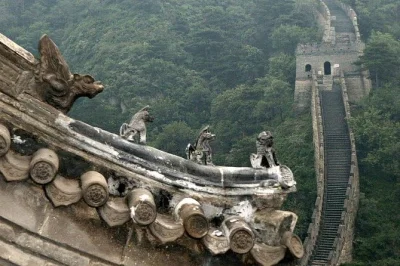 Beijing: Mutianyu Great Wall & Summer Palace Day Tour Options
★★★★★★★★★★ 4.93 (844) From US$ 138
Beijing: Mutianyu Great Wall & Summer Palace Day Tour Options
★★★★★★★★★★ 4.93 (844) From US$ 138
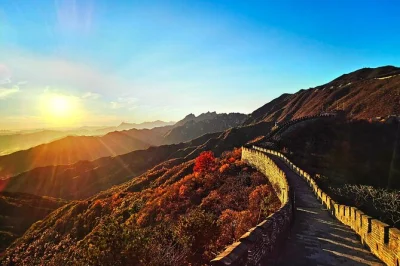 Beijing: Mutianyu Great Wall & Summer Palace Day Tour
★★★★★★★★★★ 4.99 (211) From US$ 98
Beijing: Mutianyu Great Wall & Summer Palace Day Tour
★★★★★★★★★★ 4.99 (211) From US$ 98
 Beijing: 2-Day Private City Tour with Great Wall & Palace
★★★★★★★★★★ 4.99 (106) From US$ 368
Beijing: 2-Day Private City Tour with Great Wall & Palace
★★★★★★★★★★ 4.99 (106) From US$ 368
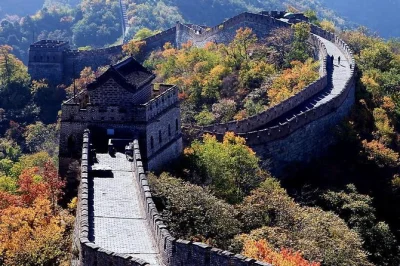 Beijing Great Wall & Summer Palace Day with Local Guide
★★★★★★★★★★ 5.00 (19) From US$ 189
Beijing Great Wall & Summer Palace Day with Local Guide
★★★★★★★★★★ 5.00 (19) From US$ 189
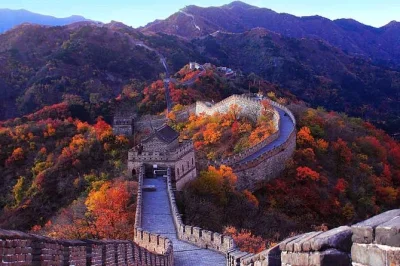 Beijing: Mutianyu Great Wall & Summer Palace Small Group Tour
★★★★★★★★★★ 4.84 (251) From US$ 81.88
Beijing: Mutianyu Great Wall & Summer Palace Small Group Tour
★★★★★★★★★★ 4.84 (251) From US$ 81.88
 Beijing: Mutianyu Great Wall & Summer Palace Day Trip with Lunch
★★★★★★★★★★ 4.97 (217) From US$ 185.30
Beijing: Mutianyu Great Wall & Summer Palace Day Trip with Lunch
★★★★★★★★★★ 4.97 (217) From US$ 185.30
 Beijing: Great Wall & Forbidden City 2-Day Tour No Shopping
★★★★★★★★★★ 4.97 (886) From US$ 179
Beijing: Great Wall & Forbidden City 2-Day Tour No Shopping
★★★★★★★★★★ 4.97 (886) From US$ 179
 Beijing: Private 2-Day Tour with Forbidden City & Great Wall
★★★★★★★★★★ 4.98 (513) From US$ 330
Beijing: Private 2-Day Tour with Forbidden City & Great Wall
★★★★★★★★★★ 4.98 (513) From US$ 330
 Beijing: 3-Day Private Tour Forbidden City & Mutianyu Wall
★★★★★★★★★★ 5.00 (278) From US$ 599
Beijing: 3-Day Private Tour Forbidden City & Mutianyu Wall
★★★★★★★★★★ 5.00 (278) From US$ 599
 Beijing: Mutianyu Great Wall & Summer Palace Day Trip Bus
★★★★★★★★★★ 4.97 (150) From US$ 24
Beijing: Mutianyu Great Wall & Summer Palace Day Trip Bus
★★★★★★★★★★ 4.97 (150) From US$ 24
 Beijing: Mutianyu Great Wall & Summer Palace layover tour
★★★★★★★★★★ 5.00 (32) From US$ 180
Beijing: Mutianyu Great Wall & Summer Palace layover tour
★★★★★★★★★★ 5.00 (32) From US$ 180
 Beijing: Forbidden City, Mutianyu Great Wall & Hutong Tour
★★★★★★★★★★ 4.99 (571) From US$ 369.39
Beijing: Forbidden City, Mutianyu Great Wall & Hutong Tour
★★★★★★★★★★ 4.99 (571) From US$ 369.39
 Secure checkout on viator.com


 Do you need help planning your next activity?


