
Angkor Wat, Bayon & Ta Prohm Private Day Trip by Tuk Tuk
 Super deal


Summary
Angkor temples up close by tuk tuk with real stories and quiet corners
You’ll travel by tuk tuk from Siem Reap with a local guide who shares personal stories along the way. Explore Angkor Wat’s carvings quietly, meet the smiling faces of Bayon temple, then wander through Ta Prohm’s tangled trees—all at your own pace. It feels less like a tour and more like being invited into someone’s hometown for a day.
 7h
7h

Step-by-step itinerary
Day 1 — Explore Angkor Wat and nearby temples
- Travel to Angkor Wat by tuk-tuk
- Learn about bas-relief carvings
- Visit south gate of Angkor Thom
- See stone figures along causeway
- Explore Ta Prohm jungle temple

Top questions

How long does this Angkor Wat private day trip take?
The tour lasts roughly one full day including hotel pickup and drop off from Siem Reap.
Is transportation included for this Angkor Wat tour?
Yes, transportation by local tuk tuk is included along with pickup and drop off at your accommodation.
Which temples are visited on this day trip from Siem Reap?
You’ll visit Angkor Wat, Bayon temple inside Angkor Thom city, and Ta Prohm (the jungle temple).
Is lunch or food included during this tour?
No formal lunch is included but your guide may offer snacks; bring water and light food if needed.
How physically demanding is this private Angkor Wat tour?
You should have at least moderate fitness as there is walking involved across uneven terrain.
Are entry fees or tickets included in this experience?
The inclusions mention transportation and guiding; check directly for entry ticket details as they may not be covered.
Can public transport be used instead of pickup?
The tour includes private pickup but public transport options are available nearby if needed.

What’s included
Your day includes private pickup from your hotel in Siem Reap by local tuk tuk, guiding throughout by someone who knows these temples well, visits to Angkor Wat, Bayon temple inside Angkor Thom city, and Ta Prohm—the famous “jungle temple.” After exploring at your own pace you’ll be dropped off back at your accommodation in town.

We met our guide, Dara, right outside our guesthouse in Siem Reap—he was already grinning at the tuk tuk, waving us over. He asked if we’d had breakfast (we had, but he still offered sticky rice wrapped in banana leaf). The ride out to Angkor Wat was bumpy and cool, the kind of morning where the air smells green and a little smoky from someone’s cooking fire. Dara chatted about his childhood here—how he used to sneak into the temple grounds before sunrise with his cousins. I tried to picture that: running through those ancient stones before anyone else was awake.
Walking up to Angkor Wat itself felt quieter than I expected. Maybe because we skipped the big buses? Dara pointed out tiny carvings in the bas-reliefs—dancers’ fingers, battle scars on stone horses—and told us which ones his grandfather said brought good luck. There was this moment when a breeze came through the galleries and all you could hear were birds and our footsteps echoing. I didn’t expect to feel so small in a place so old. We wandered slowly, no rush, just following whatever caught our eye.
After that we headed for Bayon temple—the one with all those giant faces watching you. Dara joked they look like his uncle when he’s annoyed (he does a pretty good impression). The causeway is lined with rows of stone figures; I counted a few before giving up because they all started to blur together in the heat. Still, there’s something about seeing those faces up close—almost friendly if you squint right. Lunch was just fruit and water in the shade while Dara told us about Khmer legends (I understood maybe half but it didn’t really matter).
Ta Prohm was last. That’s the “jungle temple” where roots spill over broken walls like melted candle wax. It smelled damp and earthy—like rain even though it hadn’t rained yet. We watched another group pose for photos but mostly just stood there listening to cicadas and feeling how soft the moss was under our hands. On the way back to Siem Reap I kept thinking about how Dara knew everyone we passed—waving at drivers, chatting with kids selling postcards—and how being shown around by someone who grew up here made everything feel less like a checklist and more like…well, just being let in on someone’s memories.
Similar tours
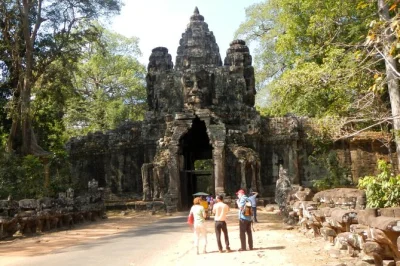 Angkor Wat & Remote Temples: Private 2-Day Tour with Pickup
★★★★★★★★★★ 4.97 (279) From US$ 375
Angkor Wat & Remote Temples: Private 2-Day Tour with Pickup
★★★★★★★★★★ 4.97 (279) From US$ 375
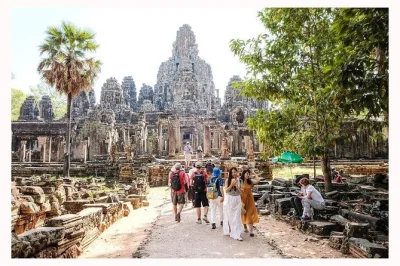 Siem Reap Private Angkor Temples Tour & Floating Village
★★★★★★★★★★ 4.96 (28) From US$ 245
Siem Reap Private Angkor Temples Tour & Floating Village
★★★★★★★★★★ 4.96 (28) From US$ 245
 3-Day Angkor Wat & Tonlé Sap Tour from Siem Reap
★★★★★★★★★★ 5.00 (1) From US$ 200
3-Day Angkor Wat & Tonlé Sap Tour from Siem Reap
★★★★★★★★★★ 5.00 (1) From US$ 200
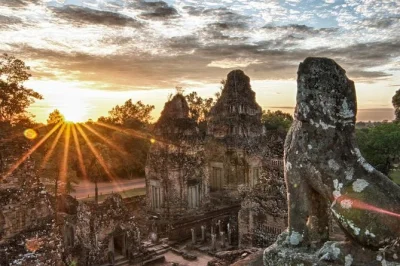 Angkor Wat Sunrise Tour: Private Guide & Hidden Temples
★★★★★★★★★★ 4.98 (3447) From US$ 60
Angkor Wat Sunrise Tour: Private Guide & Hidden Temples
★★★★★★★★★★ 4.98 (3447) From US$ 60
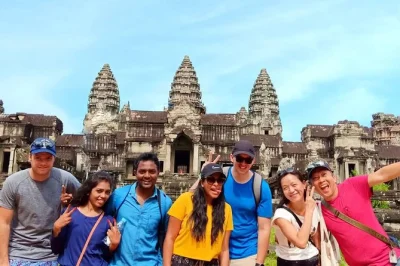 Siem Reap: Angkor Wat Small Group Temples Tour & Hotel Pickup
★★★★★★★★★★ 4.94 (1548) From US$ 18
Siem Reap: Angkor Wat Small Group Temples Tour & Hotel Pickup
★★★★★★★★★★ 4.94 (1548) From US$ 18
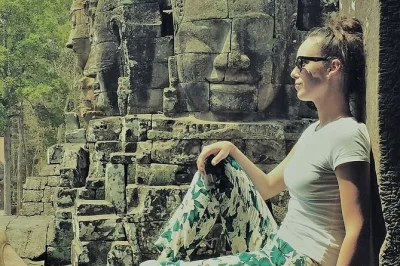 Angkor Wat Sunrise: Private Tour, Bayon, Ta Prohm & Banteay Srei
★★★★★★★★★★ 4.99 (958) From US$ 65
Angkor Wat Sunrise: Private Tour, Bayon, Ta Prohm & Banteay Srei
★★★★★★★★★★ 4.99 (958) From US$ 65
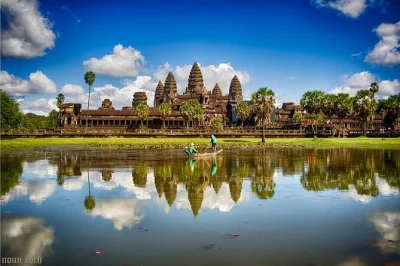 Angkor Wat & Banteay Srei: 2-Day Temple Tour with Sunrise & Sunset
★★★★★★★★★★ 4.98 (570) From US$ 147.50
Angkor Wat & Banteay Srei: 2-Day Temple Tour with Sunrise & Sunset
★★★★★★★★★★ 4.98 (570) From US$ 147.50
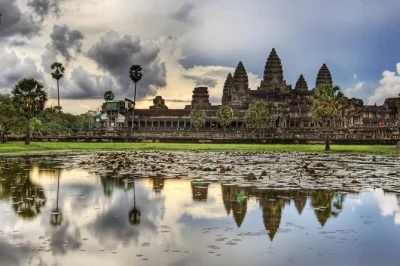 Siem Reap: Angkor Wat temples private tour with guide
★★★★★★★★★★ 5.00 (28) From US$ 45
Siem Reap: Angkor Wat temples private tour with guide
★★★★★★★★★★ 5.00 (28) From US$ 45
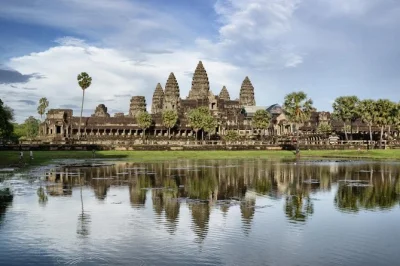 Angkor Wat & Major Temples Day Tour with Sunset Pickup
★★★★★★★★★★ 4.97 (316) From US$ 61.75
Angkor Wat & Major Temples Day Tour with Sunset Pickup
★★★★★★★★★★ 4.97 (316) From US$ 61.75
 Siem Reap: Angkor Wat Sunrise, Beng Mealea & Floating Village
★★★★★★★★★★ 5.00 (125) From US$ 235
Siem Reap: Angkor Wat Sunrise, Beng Mealea & Floating Village
★★★★★★★★★★ 5.00 (125) From US$ 235
 Siem Reap: Private Angkor Wat Day Tour with Temples & Pickup
★★★★★★★★★★ 4.89 (100) From US$ 67.50
Siem Reap: Private Angkor Wat Day Tour with Temples & Pickup
★★★★★★★★★★ 4.89 (100) From US$ 67.50
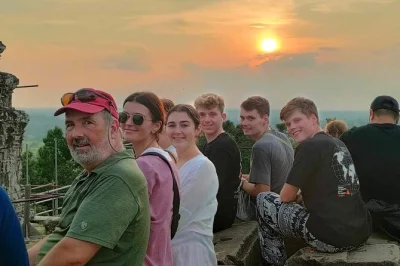 Siem Reap: Angkor Wat, Bayon, Ta Prohm & Phnom Bakheng Sunset
★★★★★★★★★★ 4.97 (136) From US$ 14
Siem Reap: Angkor Wat, Bayon, Ta Prohm & Phnom Bakheng Sunset
★★★★★★★★★★ 4.97 (136) From US$ 14


 Do you need help planning your next activity?


