

 +507 6792-0894


Sofia: Communist Walking Tour & Soviet Army Monument Stories



Summary
Walk Sofia’s communist streets hear real stories see hidden places
You’ll walk Sofia’s streets with a local guide who shares personal stories from Bulgaria’s communist era—ducking into hidden churches, pausing at controversial monuments like the Soviet Army statue, and tracing layers of protest graffiti. Expect a mix of humor and honesty as you learn how these places shaped life here—and maybe catch yourself reflecting long after.

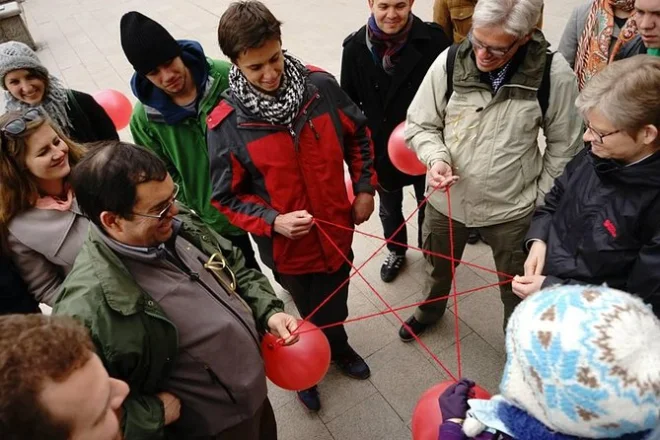
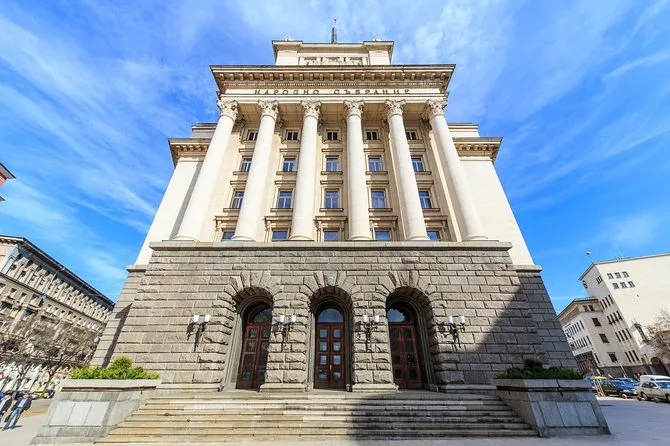
Liubomir met us outside the Palace of Justice, waving like he’d spotted old friends. I’d barely finished my coffee when he asked if we’d ever tried banitsa—he said you can’t really talk about Bulgaria without mentioning food, even on a communist walking tour. I liked that. He handed us little slips of paper with Cyrillic words scribbled on them, told us to try reading them out loud. I definitely butchered “свобода” (freedom), and Liubomir grinned, said nobody gets it right first try.
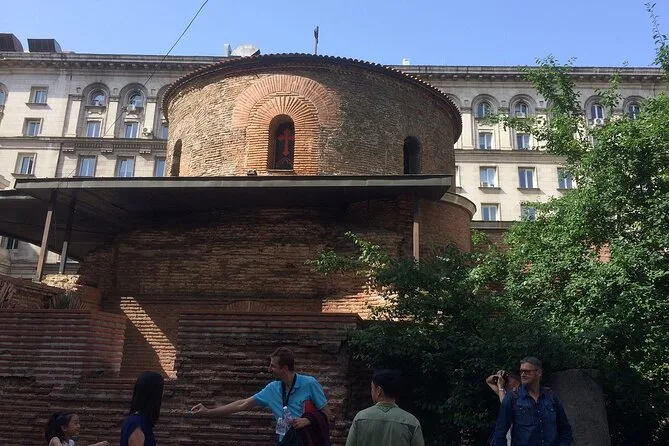
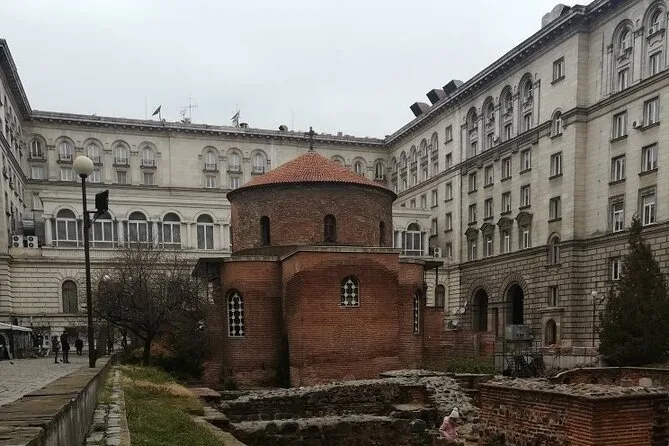
The walk was mostly flat, but the city felt layered—like every building had a secret. We ducked into this tiny church tucked behind some gray blocks; incense hung in the air, and our guide whispered about how religion went underground during those years. Someone’s phone buzzed and echoed off the stone walls, which honestly broke the spell for a second. Outside, rain started spitting down—Sofia weather is moody—and umbrellas popped up everywhere except ours. Didn’t matter though; we were too busy listening to stories about ration cards and secret police to care much about getting wet.
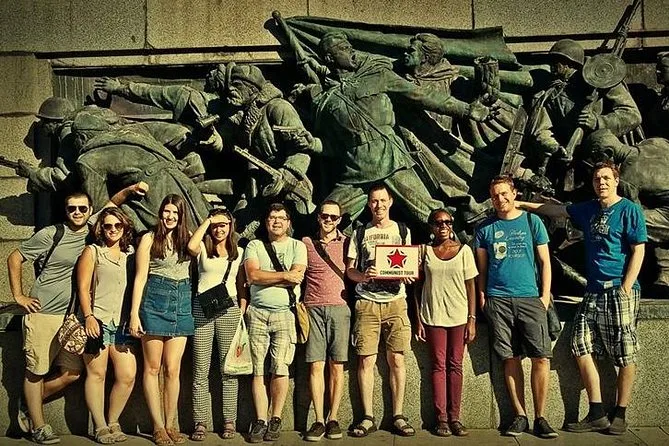
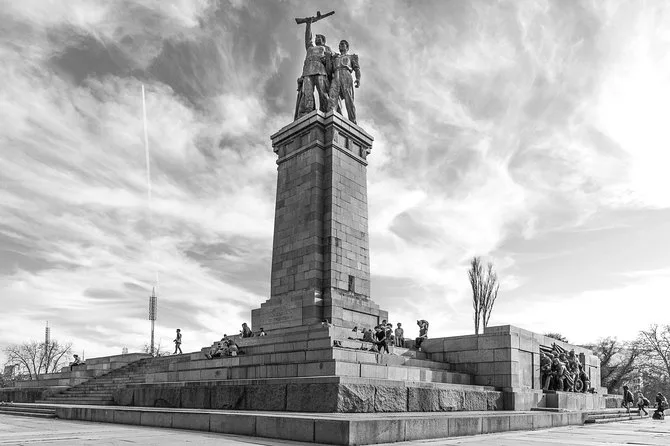
At the Monument to the Soviet Army, graffiti covered almost everything except one stern soldier’s face. Our guide pointed out which tags were protests from recent years and which were older—layers of history arguing with each other in spray paint. A couple of locals walked by shaking their heads at us or maybe at the monument itself; hard to tell. There was this weird silence for a minute as we all looked up at it—I still think about that moment sometimes, how heavy it felt just standing there.
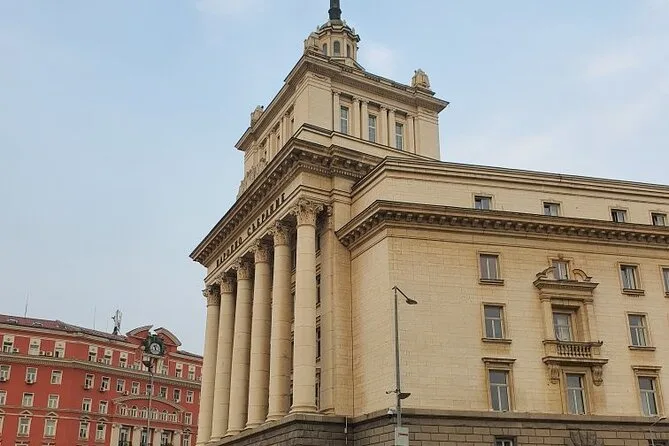
I didn’t expect to feel so much walking through wide squares and under socialist mosaics. The Largo Complex looked both proud and tired at once; Liubomir told us about Lenin’s statue being pulled down in ‘91 and how people still argue about what should replace it. By the end, my shoes were soaked but I felt like I’d actually seen Sofia—not just its streets but its memories too.
 3h
3h

Step-by-step itinerary
Day 1 — Communist history walking tour in Sofia
- Start at Palace of Justice
- Visit hidden church on religion
- See Soviet Army arrival site
- Explore Largo Complex and Lenin statue
- Learn about the Mausoleum
- Pass Former Royal Palace building
- View Monument to the Soviet Army and graffiti
- Visit major communist cultural landmark
- End tour with story of the end

Top questions

How long is the Communist Walking Tour in Sofia?
The tour lasts about 3 hours in total.
Where does the Sofia Communist Tour start?
The starting point is the Palace of Justice in Sofia.
Are there any major attractions included?
Yes, you’ll visit sites like the Monument to the Soviet Army and pass by Sofia National Gallery.
Is this tour suitable for children or families?
Yes, children can join if accompanied by an adult; infants and small children can use strollers.
Is public transportation nearby?
Yes, there are public transportation options close to the meeting point.
Are service animals allowed on this walking tour?
Yes, service animals are permitted during the tour.
What topics are covered during this day trip?
The guide covers World War II, education, healthcare, industry, housing, economics, culture under communism, and more.

What’s included
Your afternoon includes a guided walk led by a knowledgeable local who shares firsthand stories; visits to key landmarks like the Soviet Army Monument; stops inside historic buildings including a hidden church; and plenty of time for questions or conversation along the way—all easily accessible from central Sofia with no special fitness level required.
 Super deal
  Free booking, free cancellation.
  Don't lose your place.


 Do you need help planning your next activity?
  +507 6792-0894


