

 +507 6792-0894


Plovdiv Old Town: Self-Guided Audio Tour & Map in 9 Languages


Summary
Walk ancient streets with stories echoing from every stone
You’ll trace winding cobbled streets through Plovdiv’s Old Town using an audio guide in your language, pausing where you want — from Roman ruins to quiet churches. Expect unexpected moments: local voices, incense drifting out of doorways, laughter over mispronounced names. It’s your pace and your path, with history as close as your headphones.

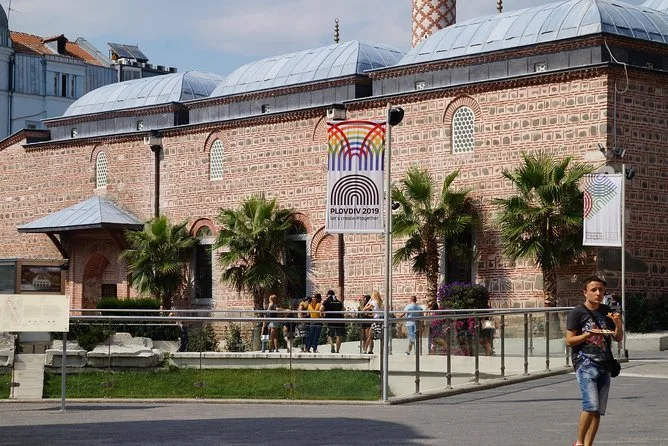
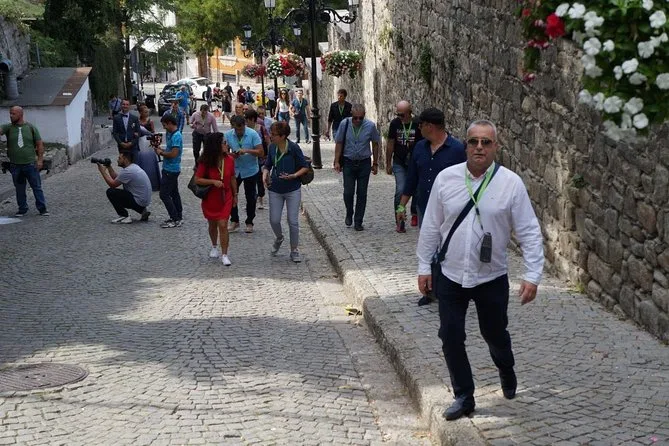
I started the Plovdiv Old Town self-guided audio tour thinking I’d just wander, but right at Jumaya Mosque, the muezzin’s call mingled with chatter from a bakery next door and threw me off in the best way. Headphones on, phone in hand — it felt like eavesdropping on centuries of gossip. The map was easy enough to follow, though I did get sidetracked by a street vendor selling roasted sunflower seeds (worth it). The audio guide told me about Sultan Murad and old city walls while kids zipped past on scooters. It’s weird how history sits right beside you here.
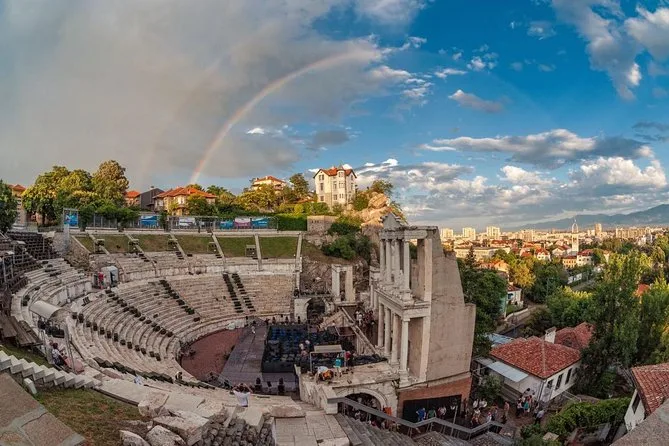
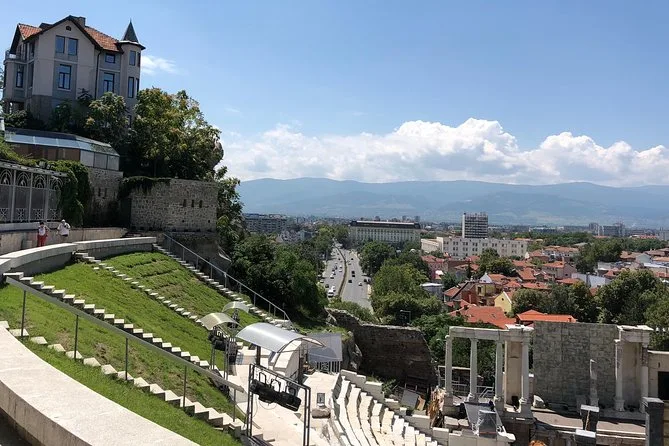
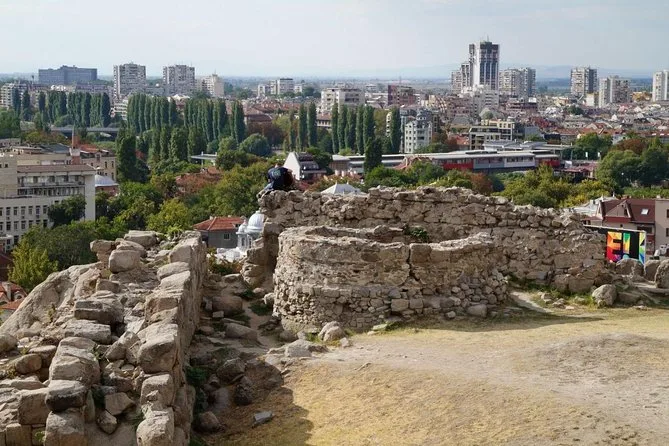
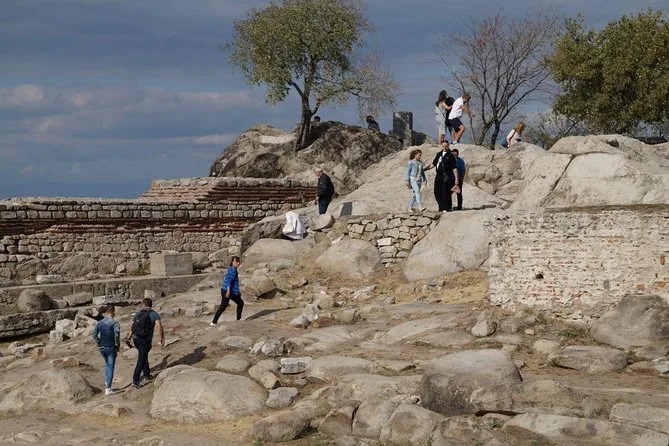
The Roman Theater really knocked me sideways — not just because it’s so intact, but because you can actually sit where people watched plays two thousand years ago. The seats are smooth and cold, even on a sunny day. I paused the audio for a bit and just listened to birds. At Nebet Tepe, wind tugged at my jacket and there was this smell of pine needles mixed with dust; up there you see all of Plovdiv stretched out unevenly below. Sometimes I’d replay a bit if I missed something (or zoned out), but that’s kind of the point of a self-paced tour, right?
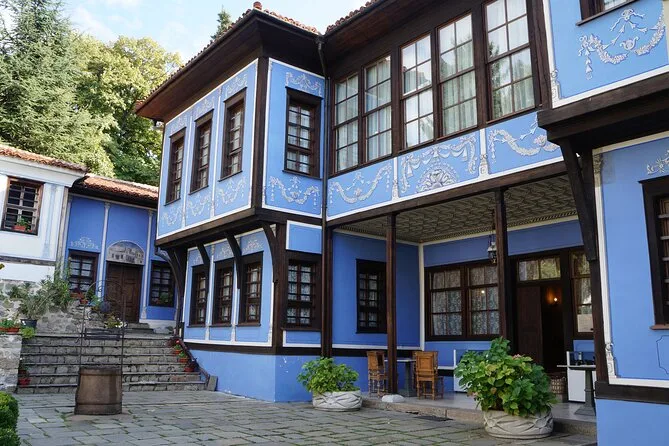
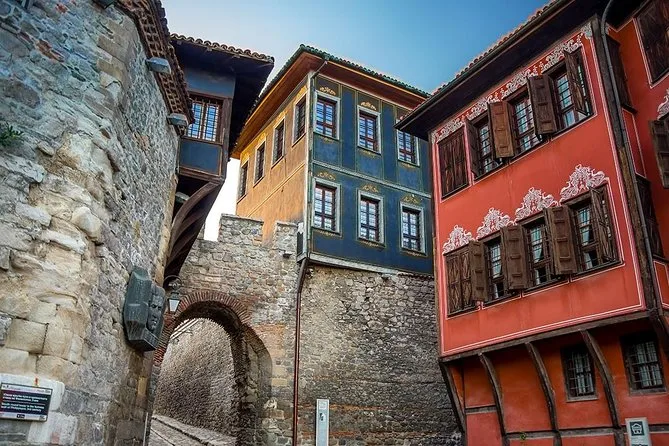
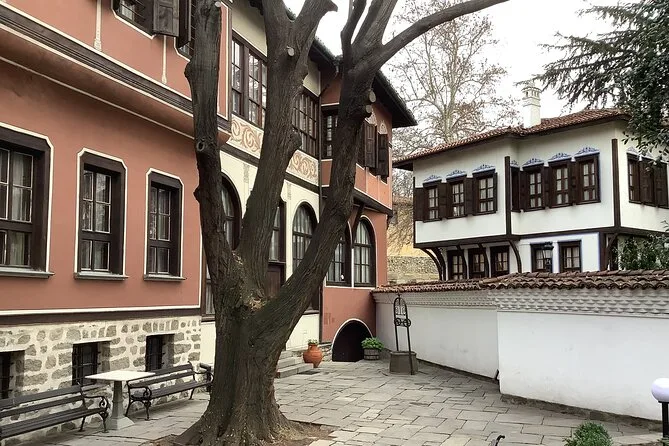
Lamartine House is painted this faded blue that photographs badly but looks perfect in person — some local guy waved from his balcony above and shouted something friendly (I think). Later I tried to pronounce “Hisar Kapia” like the guide did; Li laughed when I butchered it. There are so many layers: Roman mosaics at TrakArt, Orthodox icons at St Constantine and Helena church. You get these micro-moments — incense inside cool stone walls, someone lighting a candle — that stick with you longer than any fact about emperors or sultans.
I ended up sitting outside the Ethnographic Museum watching old men play chess under chestnut trees. My feet were tired but my head felt full in a good way. If you want to move slow and let Plovdiv’s stories find you (instead of chasing them), this is honestly the best way I can imagine seeing the city. Still think about that view from Nebet Tepe sometimes.
 2h–3h
2h–3h

Step-by-step itinerary
Day 1 — Explore Plovdiv Old Town landmarks
- Visit Jumaya Mosque
- See Stadium of Philippopolis
- Explore early church site
- Tour Lamartine House
- Visit Balaban House museum
- See Roman theatre of Philippopolis
- Visit Plovdiv Regional Ethnographic Museum
- Explore Nebet Tepe hill
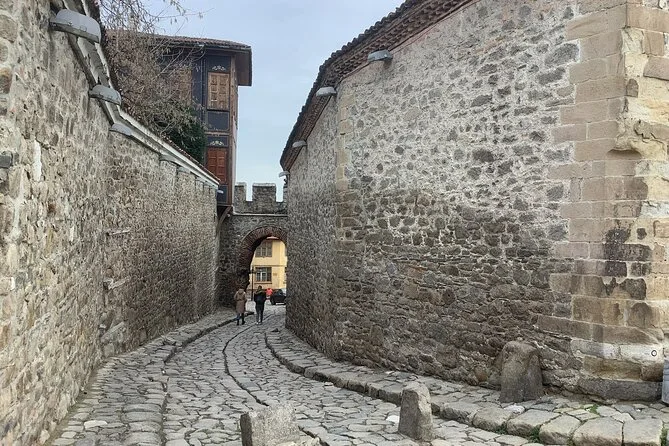
- See Hisar Kapia gate
- Visit Small Basilica archaeological site
- Tour Cultural Center-Museum TrakArt
- Visit Church of St Constantine and Helena

Top questions

How long does the Plovdiv Old Town self-guided audio tour take?
The duration depends on your pace; most travelers spend 2–4 hours exploring all stops.
What landmarks are included in the audio tour?
The route covers Jumaya Mosque, Roman Theater of Philippopolis, Lamartine House, Balaban House, Nebet Tepe hill, Hisar Kapia gate, Small Basilica site, TrakArt museum, St Constantine & Helena Church, and more.
Is internet required for the Plovdiv audio guide?
Yes, minimal internet is needed to stream each recording via your phone during the tour.
How do I access the self-guided tour after booking?
You’ll receive an email link for audio files; it activates on your chosen date and works for 24 hours.
What languages is the Plovdiv Old Town audio tour available in?
The guide is offered in English, Russian, Bulgarian, Turkish, Greek, French, Spanish, Italian, and German.
Is this walking tour suitable for people with limited mobility?
The route includes cobblestones and some hills; moderate physical fitness is recommended.
Does the self-guided tour include museum entry fees?
No entry fees are included; only the audio guide and map are provided.

What’s included
Your day includes access to an engaging audio guide available in nine languages plus a detailed map of Plovdiv’s Old Town route — just bring headphones and some curiosity. No need for group schedules or guides; explore at your own rhythm with stories unfolding wherever you pause along ancient streets.
 Super deal
  Free booking, free cancellation.
  Don't lose your place.


 Do you need help planning your next activity?
  +507 6792-0894


