

 +507 6792-0894


Salvador Private City Tour: Afro-Brazilian Culture & Local Lunch




Summary
Explore Salvador’s African Roots with a Local Guide
You’ll walk Salvador’s historic streets with a local guide, taste real Bahian food at a family home, explore vibrant markets rooted in African tradition, and see sacred sites honoring Candomblé deities—all in one day.

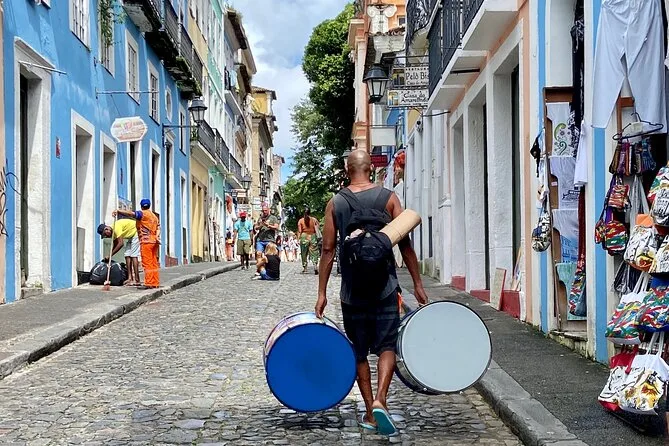
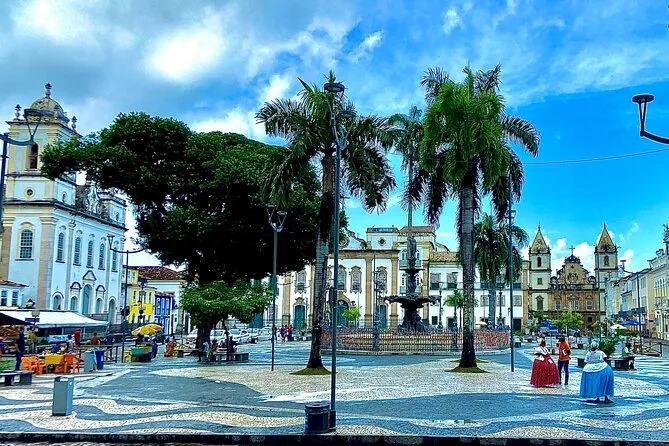
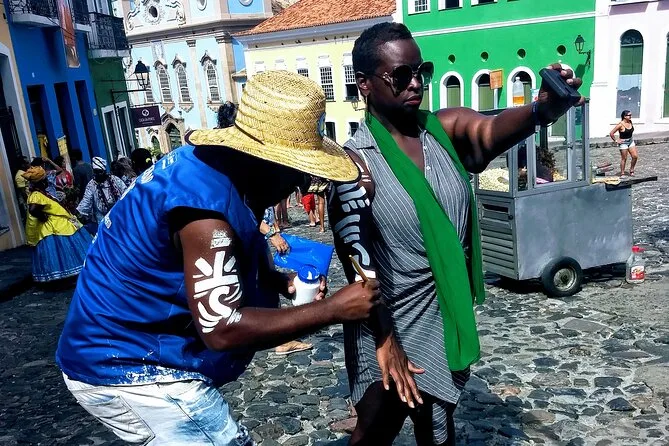
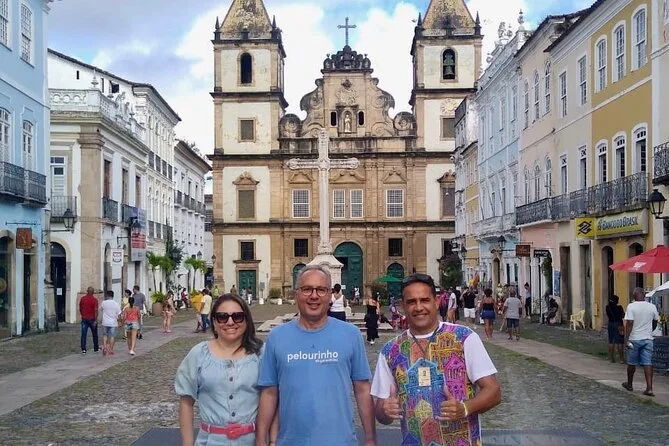
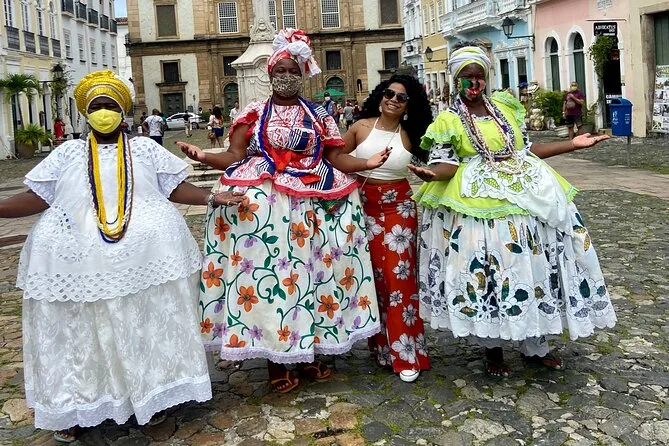
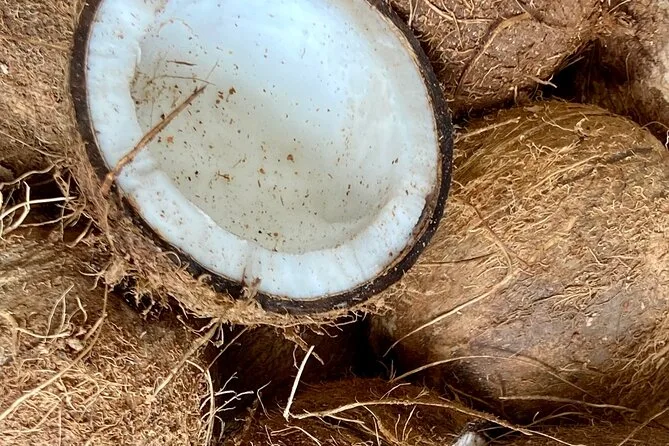
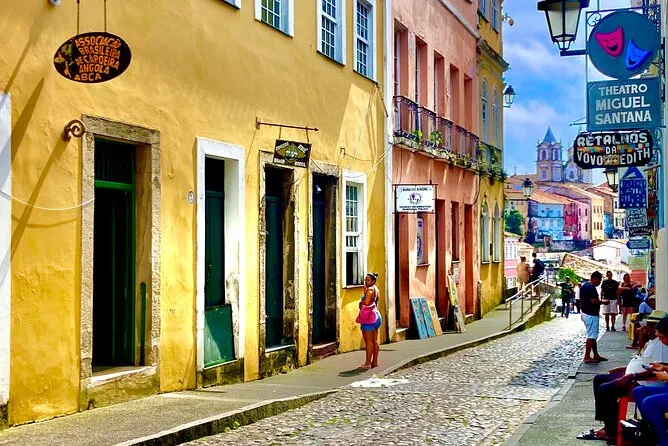
Right after our driver picked us up at the hotel, we rolled down the windows and caught that salty Bahia breeze—there’s something about the air here that wakes you up. Our guide, Lucas, started chatting about Salvador’s layered history before we even reached Cidade Alta. Walking those old cobblestone streets, you can’t help but notice how every corner has its own story. The colonial buildings are faded but proud, and you’ll hear church bells mixing with street vendors calling out their morning specials—sometimes it’s just fresh coconuts or little bags of popcorn.
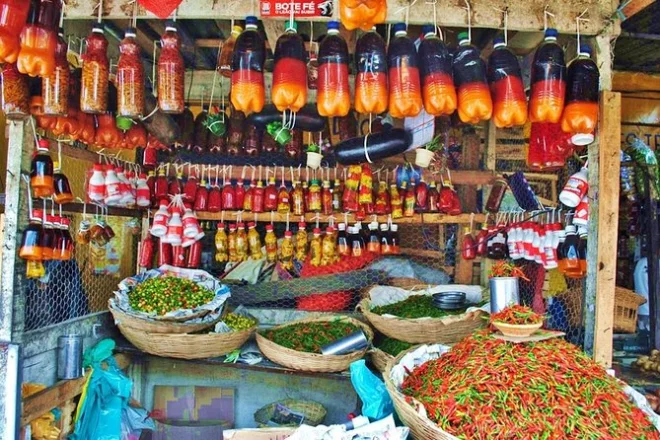
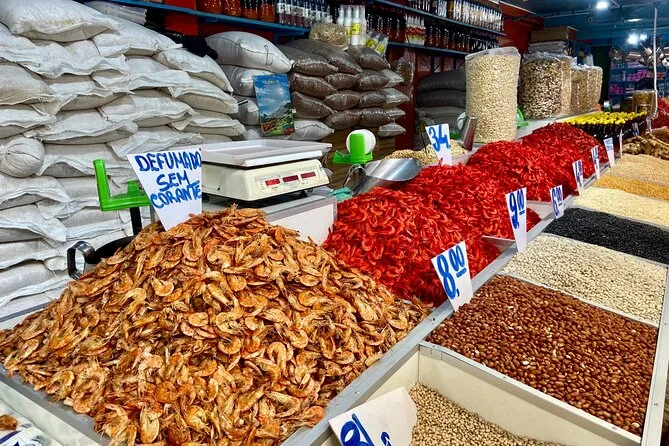
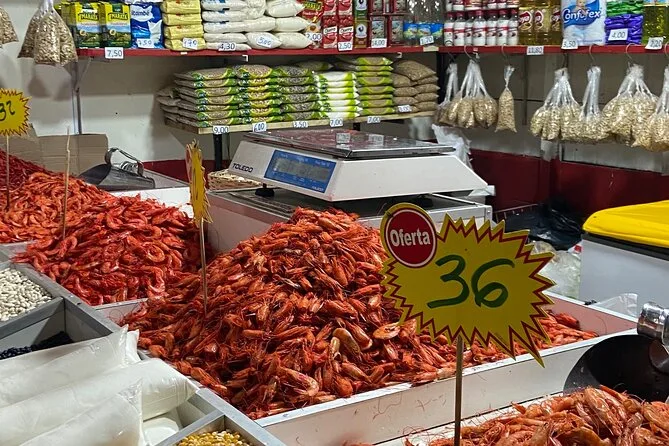
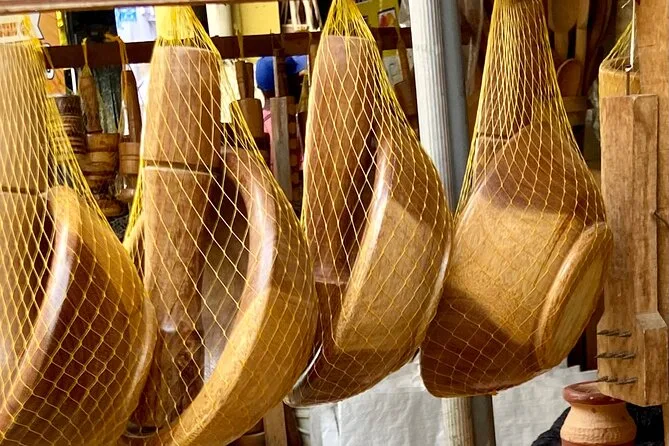
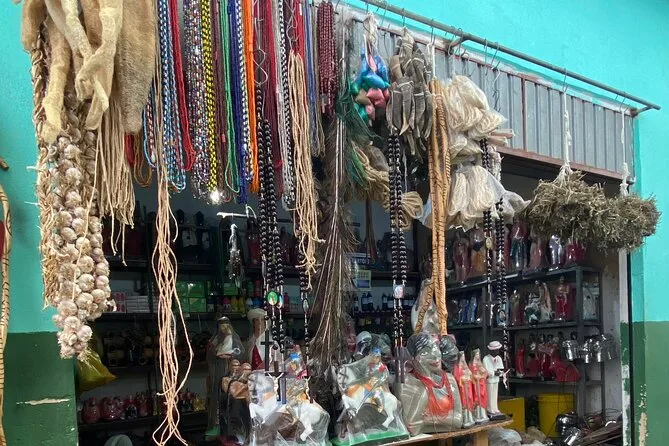
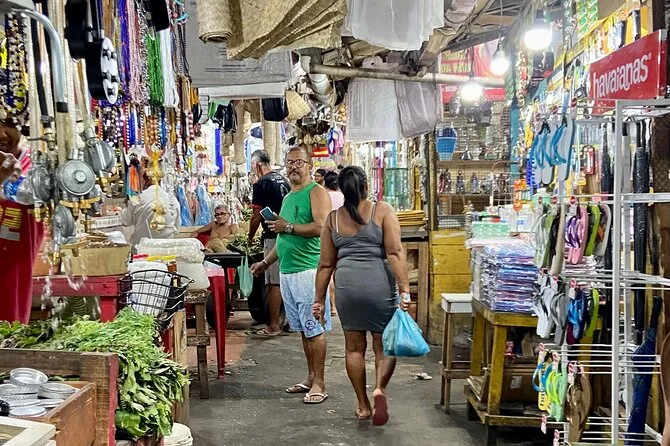
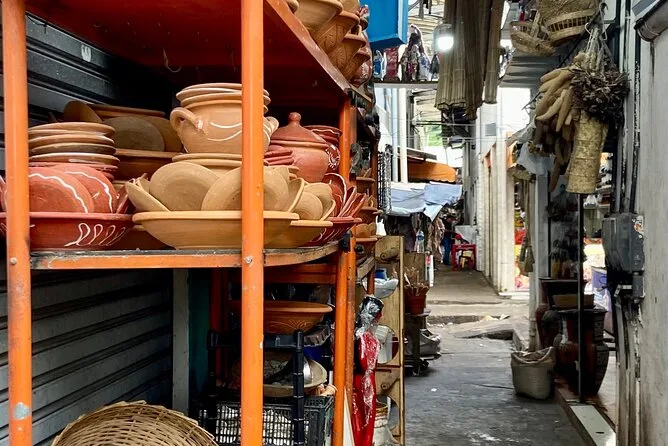
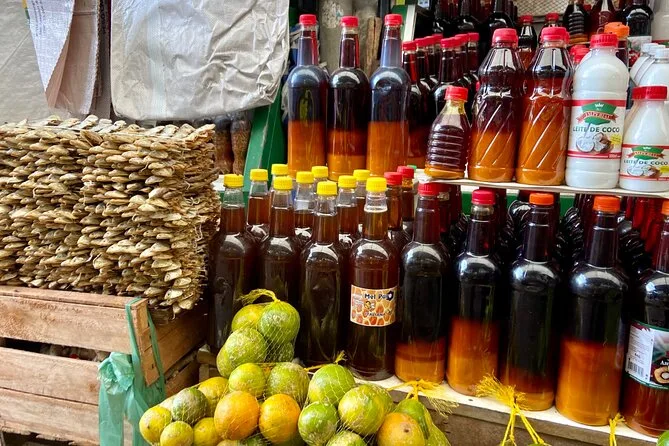
The São Joaquim Fair was next. It’s noisy, a bit chaotic, and honestly, that’s what makes it great. We squeezed past stalls stacked with clay pots and baskets of couscous—most vendors are families who’ve been here for generations. The smell of fried fish hangs in the air, and if you listen closely, you’ll catch snippets of Yoruba mixed with Portuguese. Lucas pointed out some ritual items for Candomblé ceremonies; I’d never seen so many colors in one place.
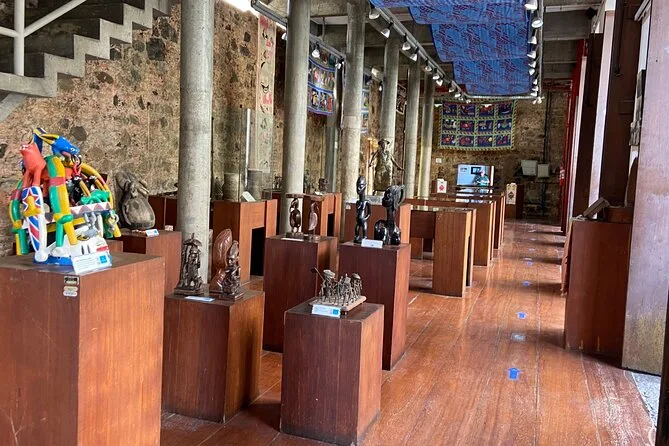
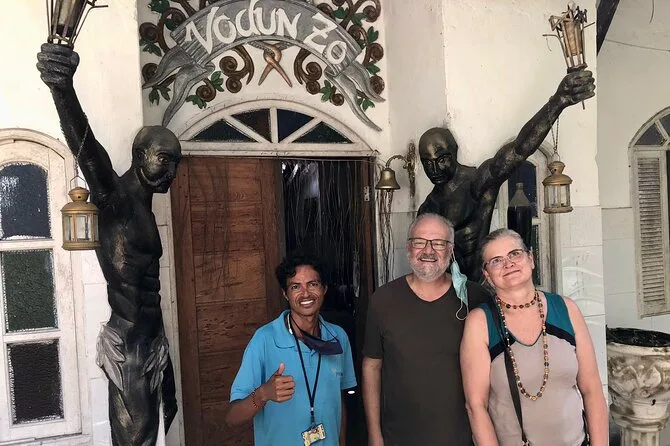
Casa do Benin felt quieter but heavy with meaning. Inside, there are masks and sculptures from West Africa—each one tells a piece of the story about enslaved Africans brought to Brazil. Our guide explained how these objects connect Salvador to places like Benin and Nigeria. It made me think about how much culture survived across the ocean.
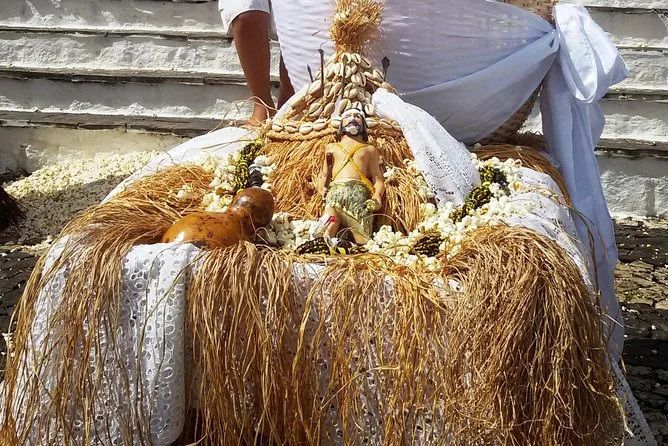
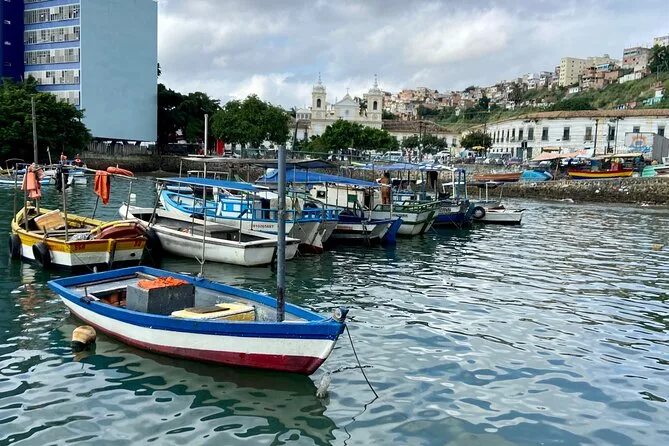
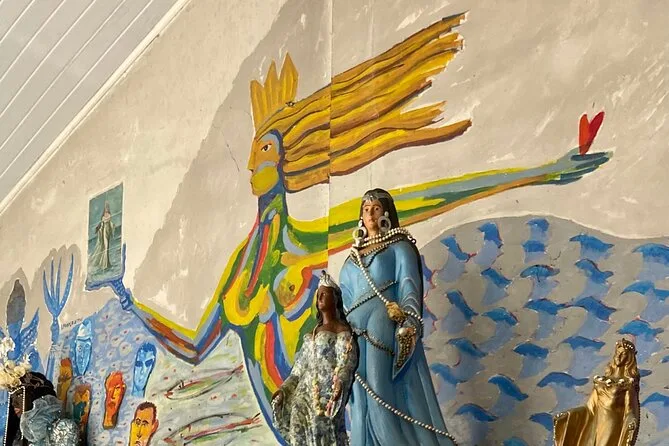
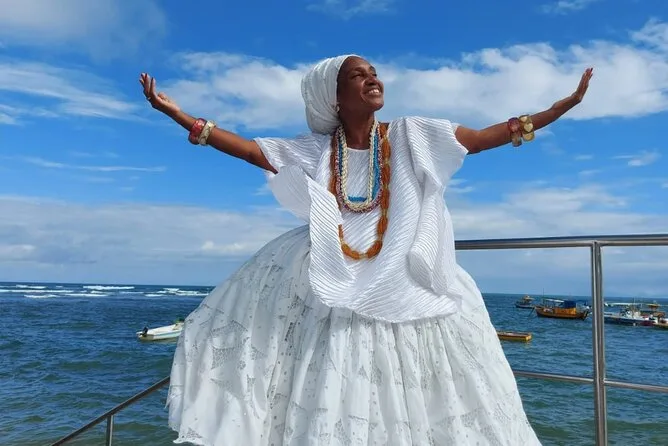
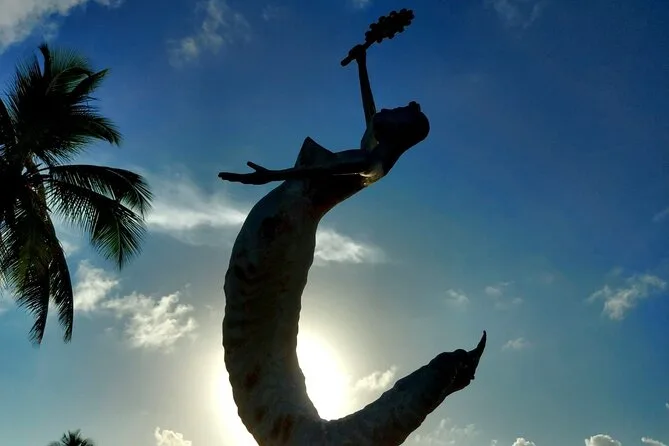
Later on, we walked through Rio Vermelho to visit the little house dedicated to Iemanjá—the sea goddess worshipped by local fishermen. There were flowers everywhere and candles flickering in the breeze; someone had just left an offering of perfume bottles by the altar. You could hear waves hitting the rocks outside.
The terreiro visit was eye-opening too. We learned how maroon communities kept their traditions alive through Candomblé rituals—drums echoing in the background as someone swept leaves off the entrance steps.
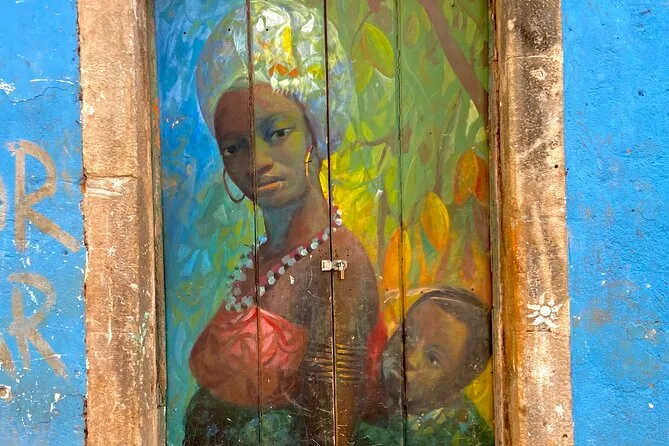
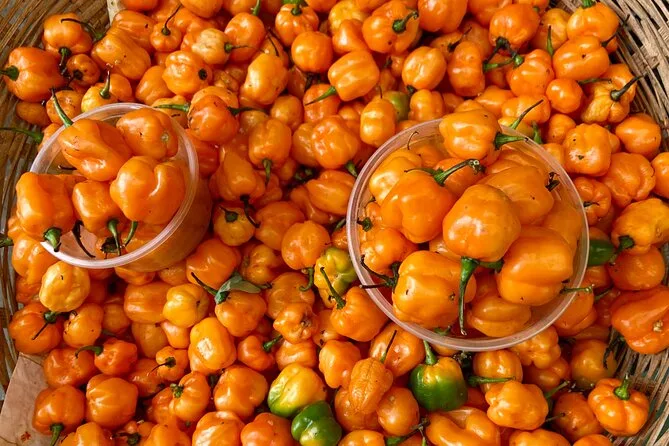
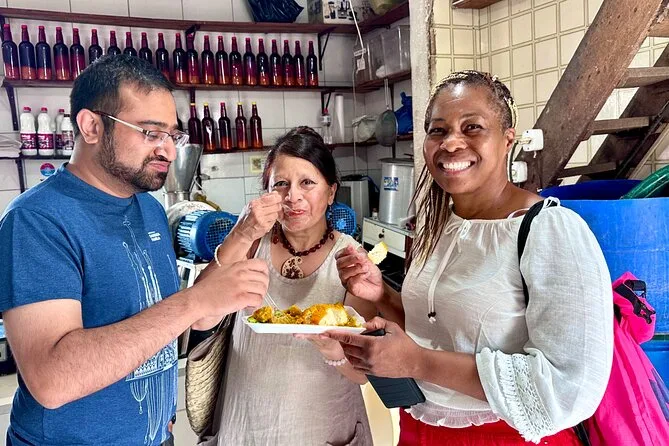
Lunch was at Dona Maria’s place—a small family spot tucked behind a blue door near the market. She served us moqueca bubbling hot from her stove (vegetarian option available if you ask ahead). I still remember her laughing when we tried her homemade pepper sauce—it packs a punch!
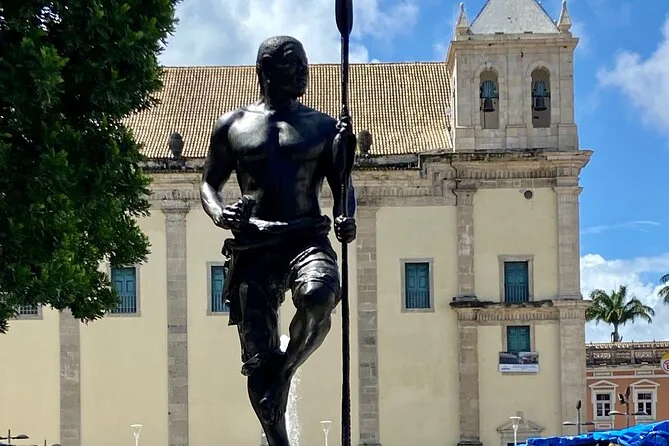
Before heading back, we stopped at Dique do Tororó lake to see those giant Orixás statues rising from the water. Locals jogged past us while kids fed ducks nearby; it felt like everyone was part of this living story.
 6h
6h

Step-by-step itinerary
Day 1 — Anthropological Tour of Salvador
- Walking tour of colonial city squares
- Visit São Joaquim Fair
- Visit Afro Museum of Casa do Benin
- Visit Queen of the Sea house at Rio Vermelho
- Walkthrough terreiro of maroon community
- Lunch at local family restaurant
- Visit lake of Tororo to see Orixas sculptures

Top questions

Is this Salvador city tour suitable for kids or older travelers?
Yes! The pace is relaxed and there are specialized infant seats available if needed. Just let us know your group details when booking.
I’m vegetarian—will there be food options during lunch?
No problem at all. Vegetarian meals are available; just mention your dietary needs when you book so we can let Dona Maria know ahead of time.
How long does this private anthropological tour last?
The experience usually takes most of the day since there are several stops—including lunch—but timing can be adjusted based on your preferences.
Will our guide speak English?
Your guide speaks English fluently and is happy to answer questions or share extra stories along the way.

What’s included
This private tour includes hotel pickup and drop-off, an experienced local driver-guide throughout your day, entrance fees where needed, plus a homemade Bahian lunch (with vegetarian options if requested). Just let us know any special requirements when booking—we’re happy to accommodate!
 Super deal
  Free booking, free cancellation.
  Don't lose your place.


 Do you need help planning your next activity?
  +507 6792-0894


