

 +507 6792-0894


Private Rio de Janeiro Tour: Christ, Sugarloaf & Hidden Gems









Summary
Full-Day Private Sightseeing Tour of Rio’s Landmarks
You’ll cover Rio’s must-see spots—from Christ the Redeemer to Copacabana Beach—with a local guide who knows all the shortcuts and hidden corners. It’s your day: go at your pace, ask questions, and soak up those little moments you’d miss on your own.

Early morning in Rio has this sticky warmth that clings to your skin before the sun really gets going. Our guide, Lucas, met us right at our hotel—no fussing with taxis or figuring out the metro. We started off winding up into Tijuca National Park. The air changed fast—cooler, almost sweet with that earthy smell you only get after a night rain. Lucas pointed out tiny marmosets darting through the trees and explained how this is actually the world’s largest urban forest. I’d never have guessed we were still inside city limits.
From there, we rolled down to Copacabana Beach. It was still early enough that locals were jogging along the mosaic sidewalks and vendors were setting up their stands—one guy was already selling fresh coconut water from a battered cart. Ipanema was next; it’s got a different vibe, less touristy somehow. You see families, surfers waxing their boards, and old-timers playing cards under faded umbrellas.
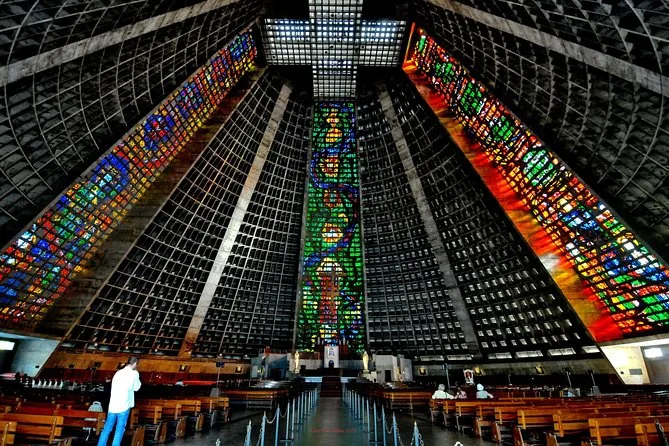
The city’s churches surprised me most. São Bento Monastery is tucked away behind heavy wooden doors—you step inside and suddenly it’s all gold leaf and candle wax smells. The Metropolitan Cathedral is something else entirely: modern, almost spaceship-like from outside but cool and echoey within. Lucas shared stories about both places; apparently São Bento has monks who still sing Gregorian chants if you catch them at the right time.
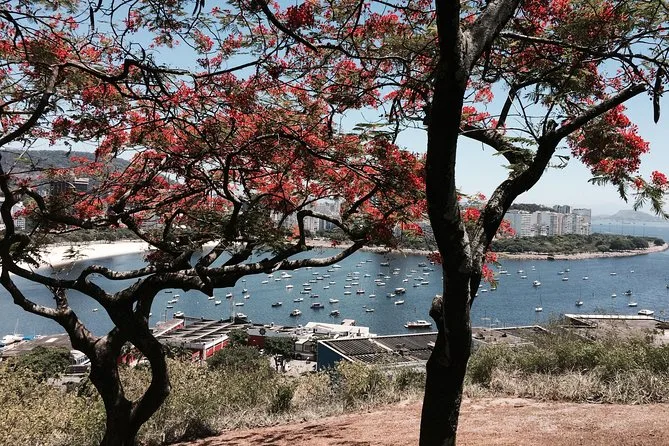
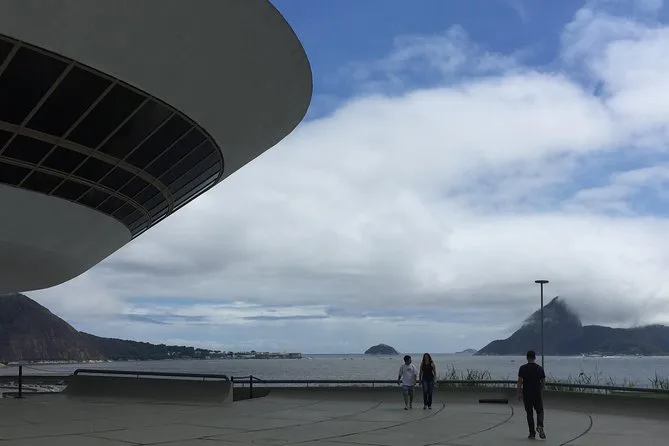
We crossed over to Niterói for the Contemporary Art Museum—Oscar Niemeyer designed it to look like a flying saucer hovering above Guanabara Bay. The view back toward Rio is wild; you can see Sugarloaf poking up in the haze. Maracanã Stadium came next—Lucas told us Pelé scored his thousandth goal here (he even showed us where). I’m not a huge soccer fan but standing in those seats felt pretty special.
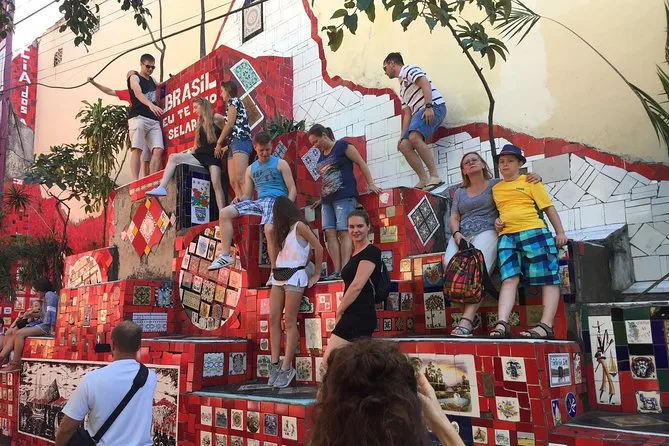
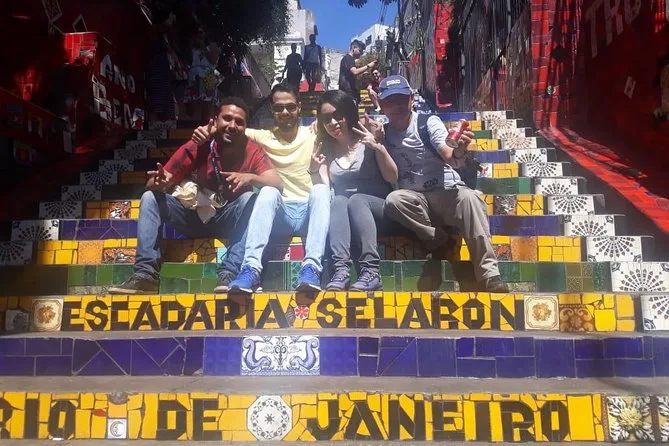
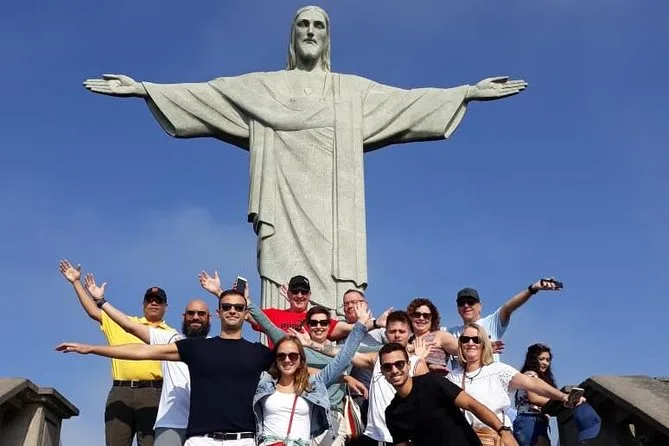
By late afternoon we hit Christ the Redeemer just as clouds started rolling in—a bit of luck since crowds thin out then and you can actually hear birds instead of just camera shutters clicking away. Selarón Steps were our last stop: every tile tells its own story and you’ll spot ones from all over the world if you look close enough.
 8h
8h

Step-by-step itinerary
Day 1 — Explore Rio's Iconic Landmarks
- Visit Tijuca National Park
- Pass by Copacabana Beach
- Pass by Ipanema Beach
- Tour Sao Bento Monastery
- Tour Rio de Janeiro Cathedral
- Pass by Niteroi Contemporary Art Museum
- Pass by Maracana Stadium
- Enjoy sunset view
- Pass by Praca Quinze de Novembro
- Visit Christ the Redeemer Statue
- Visit Selarón Steps
- Visit Vista Chinesa viewpoint
- Visit Museum of Tomorrow

Top questions

Is this tour suitable for families with young kids?
Yes! Kids are welcome—strollers are fine and there’s plenty of flexibility for breaks or shorter stops if needed.
Can I customize which attractions we visit?
Absolutely—you can chat with your guide about what interests you most and adjust as you go along.
Is transportation wheelchair accessible?
Yes, vehicles are wheelchair-friendly and so are most stops on the route.
How long does the tour last?
The standard tour runs about 8 hours but extra time can be added for an additional fee paid directly to your guide.

What’s included
Your own private vehicle for the day, pickup and drop-off at your hotel or port, plus a professional local guide who’ll share stories and tips along the way. Wheelchair access is available throughout, so everyone can join in comfortably.
 Super deal
  Free booking, free cancellation.
  Don't lose your place.


 Do you need help planning your next activity?
  +507 6792-0894


