

 +507 6792-0894


Srebrenica Genocide Day Tour from Sarajevo: History & Memorials
 8h–10h
 5.00
(35 reviews)
5.00
(35 reviews)

Summary
Guided Srebrenica Memorial Tour: Potocari, Museum & Survivor Stories
If you want to understand Bosnia’s recent history beyond what you read online, this tour gives you real voices and places. You’ll hear survivor stories, visit memorials, and see how Srebrenica lives with its past today.

Leaving Sarajevo early, we wound through green hills and sleepy villages—Bosnia’s countryside is quiet in the morning, just a few tractors and the smell of wood smoke. Our guide, Emir, started sharing the tangled history of Yugoslavia as we drove. He didn’t sugarcoat anything. By the time we reached the outskirts of Srebrenica, I felt like I’d already lived through decades of headlines.
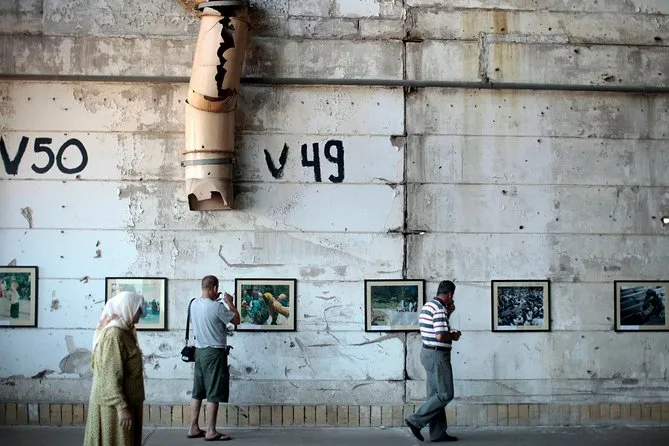
The first stop was outside the old battery factory. It’s strange seeing such an ordinary building knowing what happened here. The UN’s blue helmets were stationed inside during the war. Now, it’s home to the Museum of Srebrenica Genocide. Inside, we met Jasmina, the curator. She spoke softly but every word landed hard. There are videos and personal items—shoes, letters, photos—that make it impossible to stay detached. The museum isn’t huge, but it’s heavy. You’ll hear the hum of the projector and sometimes, just silence.
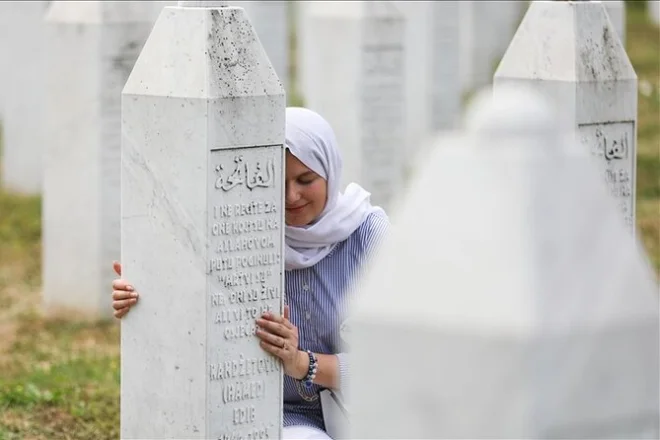
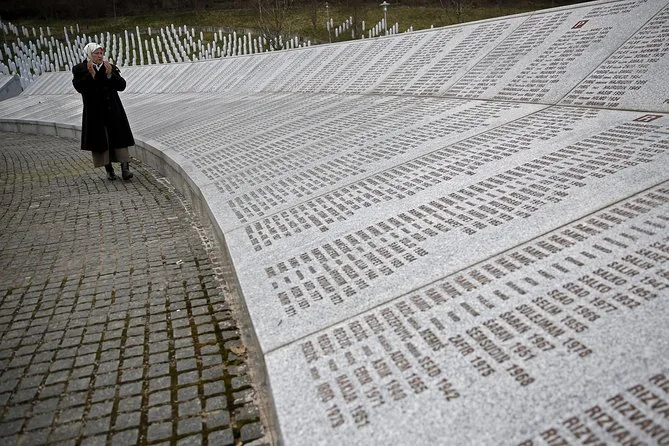
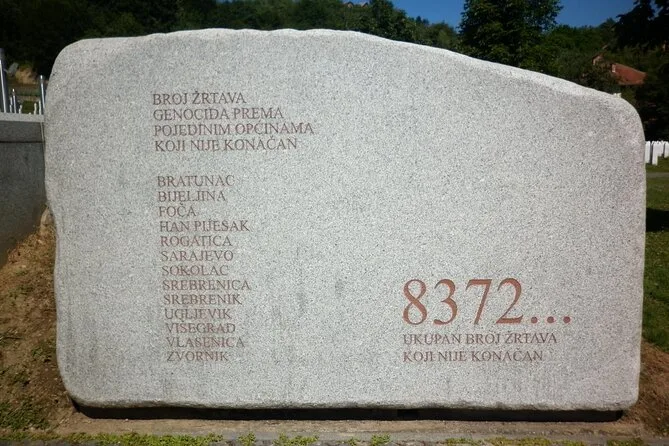
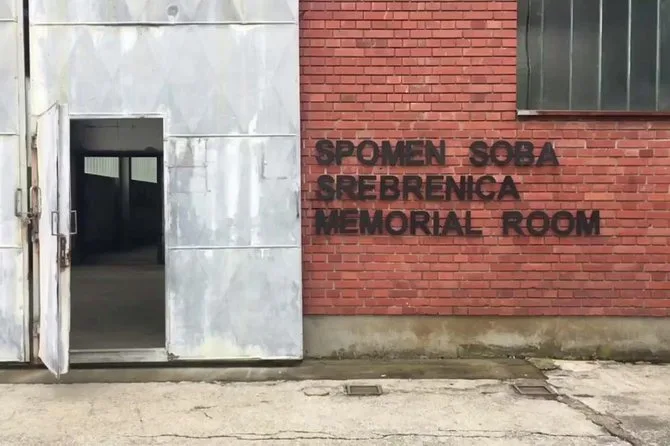
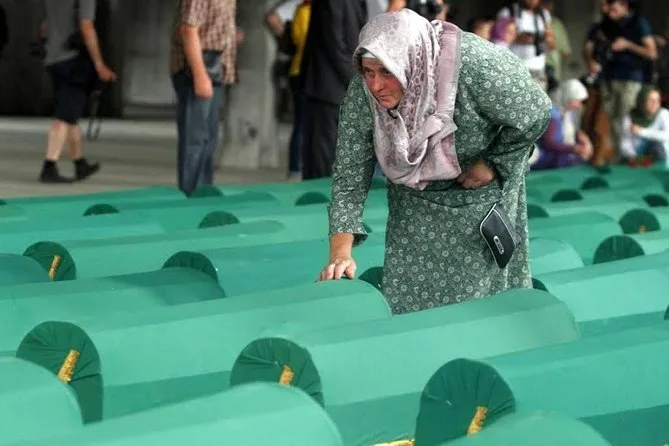
Next, we walked to the Memorial Room. A local journalist recorded stories from survivors and victims’ families; you can listen to them if you want. I remember one mother’s voice—her accent, her pauses. Outside, at the Potocari Memorial Cemetery, rows and rows of white markers stretch across the grass. The wind picked up while we stood there; it felt colder than before. Some people left flowers or just stood quietly for a while.
Afterwards, we drove into Srebrenica town itself. It used to be busy with factories and cafés—now it’s mostly empty streets and faded shop signs. Lunch was simple but filling; there aren’t many places open near Potocari so we ate at a small spot in town. The owner chatted with us about how things have changed since the war. On the way back to Sarajevo, nobody talked much. It’s a lot to take in.
8h–10h

Step-by-step itinerary
Day 1 — Srebrenica Genocide Tour from Sarajevo
- Travel from Sarajevo to Srebrenica
- Presentation on Yugoslav wars
- Visit Museum of Srebrenica Genocide and meet curator
- Explore Memorial room with victim stories
- Visit Memorial cemetery
- Tour Potocari Memorial Centre and Srebrenica city
- Lunch in Srebrenica

Top questions

How long does the Srebrenica day tour from Sarajevo take?
The tour usually lasts around 10 hours including travel time, museum visits, and lunch.
Is this tour suitable for children or sensitive visitors?
The content is heavy and emotional. It’s best for mature teens and adults who are prepared for difficult topics.
Will I meet survivors or locals during the tour?
You’ll hear first-hand accounts from museum staff and recorded stories by locals. Sometimes survivors are present but it can’t be guaranteed.
Is lunch included? Are there vegetarian options?
Lunch is provided in Srebrenica town. Vegetarian options are available—just let us know your preference in advance.

What’s included
Your day includes hotel pick-up (if you’re outside Sarajevo Old Town), bottled water, snacks, WiFi on board, air-conditioned transport, a knowledgeable guide/driver, and drop-off at your hotel after the tour.
 Super deal
  Free booking, free cancellation.
  Don't lose your place.


 Do you need help planning your next activity?
  +507 6792-0894


