
Bonaire Private Island Tour: North & South Sights with Pickup
 Super deal


Summary
Private drive through Bonaire’s wild north & colorful south with stories, snacks, and sea views
You’ll ride across Bonaire with a longtime local guide—spotting wild flamingos from your window, tasting snacks you probably can’t pronounce, hearing stories about Rincon’s past and pausing for photos by pink salt lakes or turquoise sea. Private pickup is included so you don’t have to worry about finding your way back—just enjoy each moment as it comes.
 3h
3h

Step-by-step itinerary
Day 1 — Private North and South Island Tour
- Meet at cruise ship or hotel
- Tour downtown Kaya Grandi
- View boat shelter for big waves
- Take sea scenery photos
- Drive through Hato hotel neighborhood
- See affluent island area
- Stop for ocean view and photos
- View distant diving spot scenery
- Learn history of enslaved people
- See local oil tanks
- Drive past flamingo reserve, take photos
- Visit Rincon oldest town
- Pass coastline with waves and donkeys
- Stop at hill for island view
- Pass second oldest neighborhood
- Pass largest neighborhood
- Learn about main street
- See pink airport and discuss tourism
- Stop at Te Amo Beach
- Pass local snorkeling beach
- Stop at clear water local beach
- Pass fast-growing neighborhood
- Pass new resort with pool dining
- Visit ancient lighthouse
- Visit famous shipwreck spot
- Stop at pink water and salt mountains
- Visit Slaves Huts and coral talk
- Return to ship or hotel

Top questions

Is pickup included for cruise passengers and hotel guests?
Yes, pickup is provided at your ship or hotel lobby before departure.
How long does this Bonaire private island tour last?
The tour covers 28 stops and typically lasts several hours; timing can be flexible based on group interest.
Will we see flamingos during this day trip?
You’ll pass by a flamingo reserve; sightings depend on their location that day but are often possible from the vehicle.
Is there time to walk around at stops like Seru Largu Lookout?
Yes, you can get out at scenic spots like Seru Largu Lookout for photos or just to enjoy the view.
Are snacks or drinks included during this private tour?
A small local snack or drink is offered along the route as part of the experience.
Can I customize parts of this Bonaire private island tour?
The tour is flexible—your guide welcomes questions or requests if time allows.
Is this tour suitable for all fitness levels?
Yes; most activities involve light walking and there are options if you prefer not to walk down steps or rough paths.
What languages does my guide speak?
Your guide is a longtime resident familiar with local culture; language options may vary so check ahead if needed.

What’s included
Your day includes roundtrip pickup from your ship or hotel in Bonaire, comfortable transportation by van or car depending on group size, guidance from a knowledgeable longtime resident who shares stories at every stop, plus a taste of something local along the way—and ends with a small appreciation gift before drop-off wherever you need.

We met our guide right at the port in Kralendijk—he was holding up my name on a piece of paper, which felt oddly official for such a laid-back island. The van was cool inside (thankfully), and as we pulled away, he pointed out Kaya Grandi’s shops and cafés. I caught the smell of fried plantains drifting from somewhere nearby. We cruised through Hato’s hotel zone and then suddenly we were out by the ocean—so blue it almost looked fake. Our guide laughed when I tried to pronounce “Seru Largu” (I definitely didn’t nail it), but he seemed happy I tried.
Stopping at Seru Largu Lookout was one of those moments that sneaks up on you—the wind up there is strong enough to mess your hair but the view over Bonaire just makes you pause. It’s not only about pretty scenery though; he told us about the old neighborhoods, how people used to live here, and even where the wealthy folks build their houses now (I’m still not sure why anyone would ever want to leave). When we passed the flamingo reserve, everyone got quiet trying to spot flashes of pink in the salt flats—sometimes they’re close, sometimes just dots in the distance. Either way, seeing them felt like a small reward.
Rincon surprised me. It’s quieter than downtown but has this lived-in feel—our guide pointed out buildings from centuries ago and told stories about enslaved families who once lived here. There was a stop where you could taste something local—I tried a snack I still can’t pronounce (Li laughed again), but it was salty-sweet and stuck in my mind for hours after. The air smelled faintly of sea salt mixed with dust as we drove along old coast roads past donkeys wandering around like they owned the place.
The southern part of Bonaire is wild in its own way: salt mountains glowing white against pink water on one side, two shades of blue ocean on the other. At Te Amo Beach locals were chatting under palm trees while kids splashed nearby—it felt honest, not staged for tourists. We finished at the old slave huts near the shore; standing there with coral crunching underfoot made history feel uncomfortably close somehow. On the way back our guide handed us a small “local appreciation”—a little gift—and reminded us we could ask anything else before being dropped off right by our ship or hotel. I keep thinking about those flamingoes and that wind at Seru Largu.
Similar tours
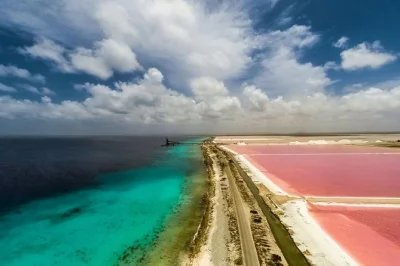 Bonaire North & South Tour: Small Group, 28 Sights, Pickup
★★★★★★★★★★ 4.64 (198) From US$ 94
Bonaire North & South Tour: Small Group, 28 Sights, Pickup
★★★★★★★★★★ 4.64 (198) From US$ 94
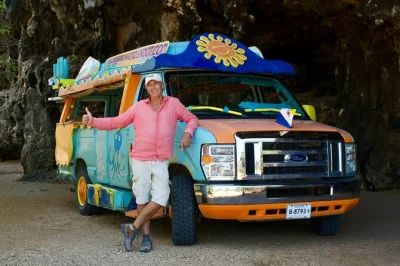 Bonaire: Private Open Bus Tour with Luc & Salt Pans
★★★★★★★★★★ 4.96 (169) From US$ 390
Bonaire: Private Open Bus Tour with Luc & Salt Pans
★★★★★★★★★★ 4.96 (169) From US$ 390
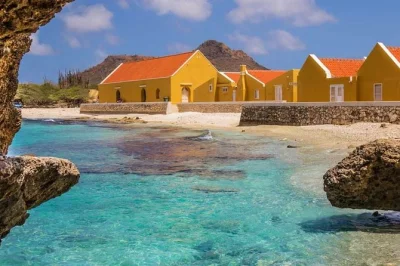 Bonaire: Washington Slagbaai Park Day Trip with Snorkeling & Lunch
★★★★★★★★★★ 4.80 (300) From US$ 97
Bonaire: Washington Slagbaai Park Day Trip with Snorkeling & Lunch
★★★★★★★★★★ 4.80 (300) From US$ 97
 Bonaire South Island Private Tour & Guided Snorkel Combo
★★★★★★★★★★ 4.69 (116) From US$ 120
Bonaire South Island Private Tour & Guided Snorkel Combo
★★★★★★★★★★ 4.69 (116) From US$ 120
 Bonaire Caves: Guided Cave Tour & Cliff Jumping with Pickup
★★★★★★★★★★ 4.85 (126) From US$ 94
Bonaire Caves: Guided Cave Tour & Cliff Jumping with Pickup
★★★★★★★★★★ 4.85 (126) From US$ 94
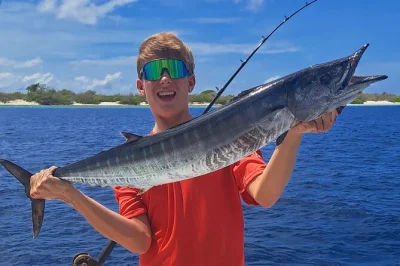 Bonaire: Deep Sea Fishing Charter with Local Crew & Lunch
★★★★★★★★★★ 5.00 (17) From US$ 775
Bonaire: Deep Sea Fishing Charter with Local Crew & Lunch
★★★★★★★★★★ 5.00 (17) From US$ 775
 Bonaire Airport Transfers: Reliable Round-Trip Taxi Pickup
★★★★★★★★★★ 4.94 (16) From US$ 40
Bonaire Airport Transfers: Reliable Round-Trip Taxi Pickup
★★★★★★★★★★ 4.94 (16) From US$ 40
 Bonaire: Flamingos, Salt Pans & Sorobon Beach Day Tour
★★★★★★★★★★ 4.94 (176) From US$ 50
Bonaire: Flamingos, Salt Pans & Sorobon Beach Day Tour
★★★★★★★★★★ 4.94 (176) From US$ 50
 Bonaire: Cave Tour with Climbing & Snorkel in Underground Pools
★★★★★★★★★★ 4.73 (91) From US$ 72.96
Bonaire: Cave Tour with Climbing & Snorkel in Underground Pools
★★★★★★★★★★ 4.73 (91) From US$ 72.96
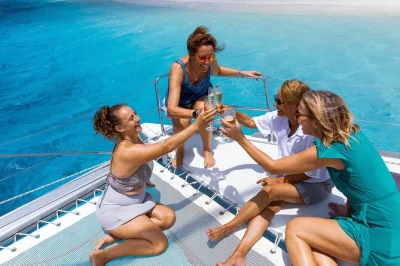 Bonaire & Klein Bonaire: Catamaran Grill Tour with Snorkeling
★★★★★★★★★★ 4.97 (639) From US$ 135
Bonaire & Klein Bonaire: Catamaran Grill Tour with Snorkeling
★★★★★★★★★★ 4.97 (639) From US$ 135
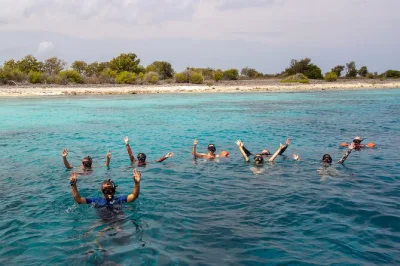 Bonaire: Klein Bonaire Snorkeling Tour with Reefs & Pickup
★★★★★★★★★★ 4.97 (457) From US$ 79
Bonaire: Klein Bonaire Snorkeling Tour with Reefs & Pickup
★★★★★★★★★★ 4.97 (457) From US$ 79
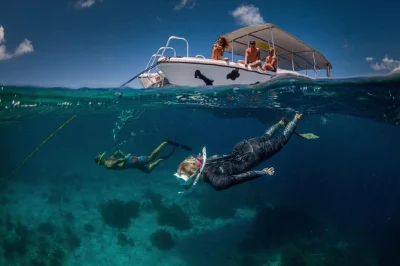 Bonaire: Guided Double Snorkel Trip with Snacks & Photos
★★★★★★★★★★ 4.98 (1416) From US$ 105
Bonaire: Guided Double Snorkel Trip with Snacks & Photos
★★★★★★★★★★ 4.98 (1416) From US$ 105


 Do you need help planning your next activity?


