

 +507 6792-0894


La Paz: Cable Car, Moon Valley & Witches Market Tour














Summary
La Paz’s wild topography by cable car and foot with locals
You’ll step into La Paz’s Valley of the Moon’s strange silence before soaring over city rooftops on five different cable car lines—with your local guide sharing stories along the way. Wander Jaen Street’s colonial corners, cross Plaza Murillo’s noisy square, and end among incense clouds at the Witches’ Market. It’ll stick with you long after you leave.

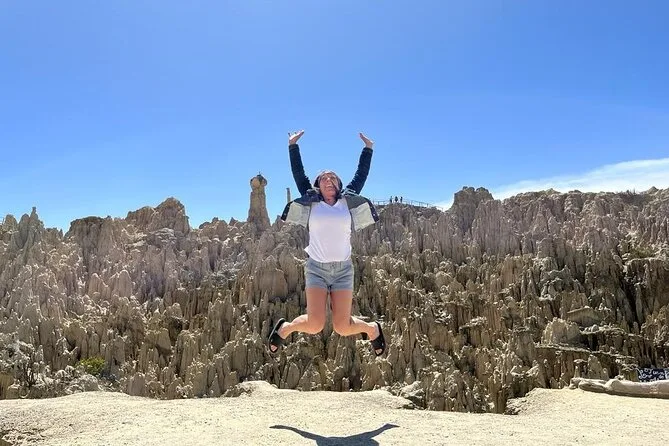
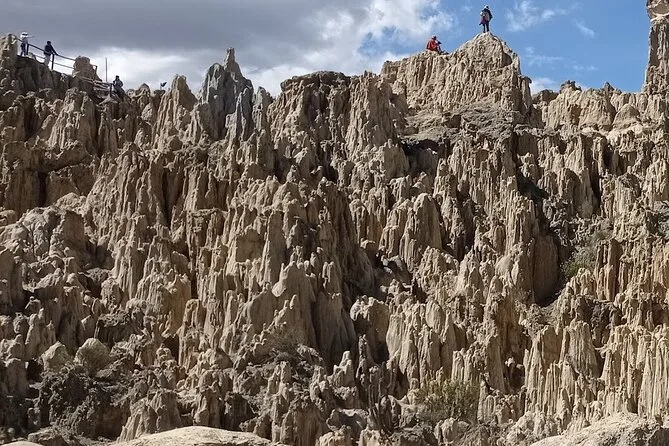
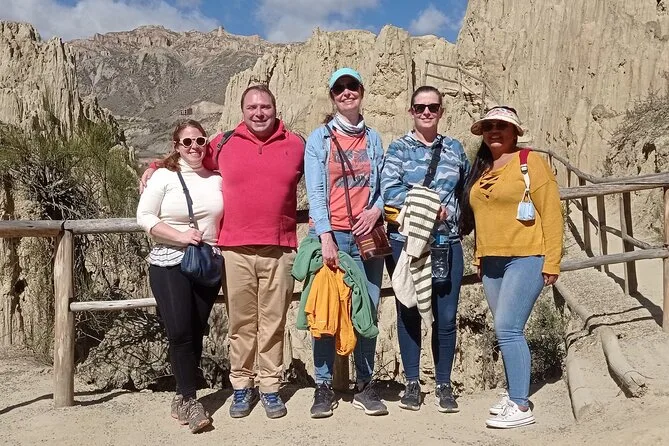
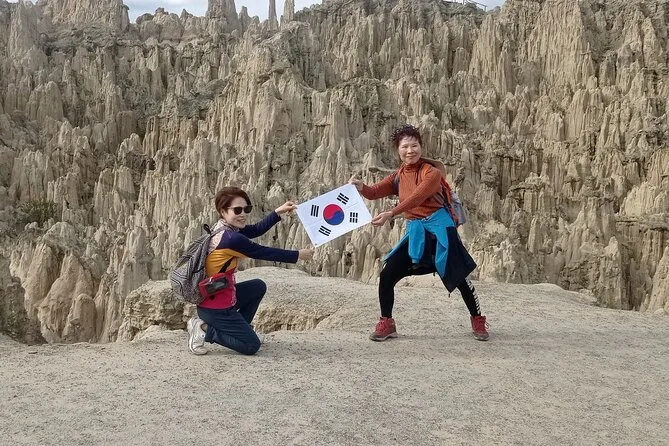
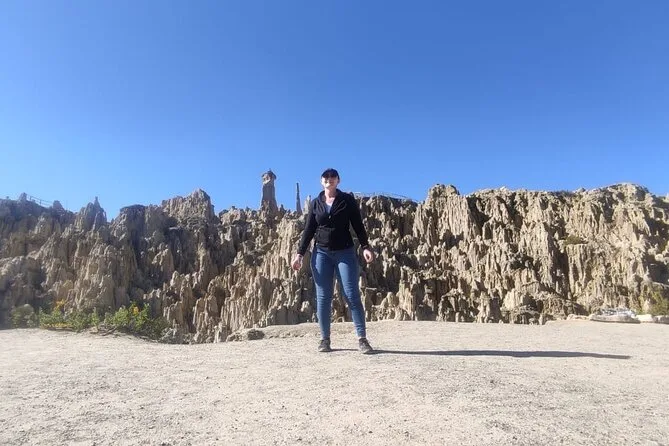
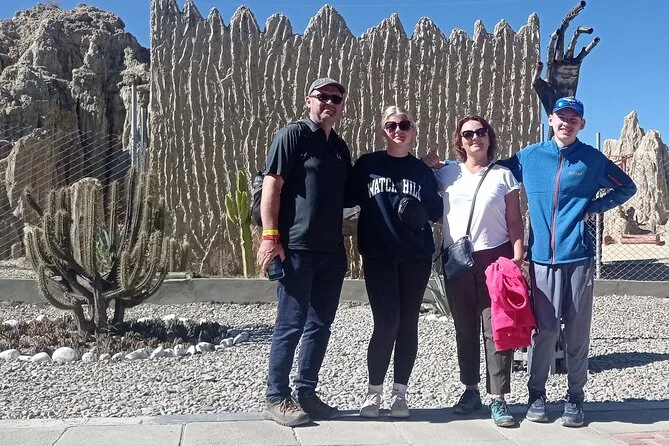
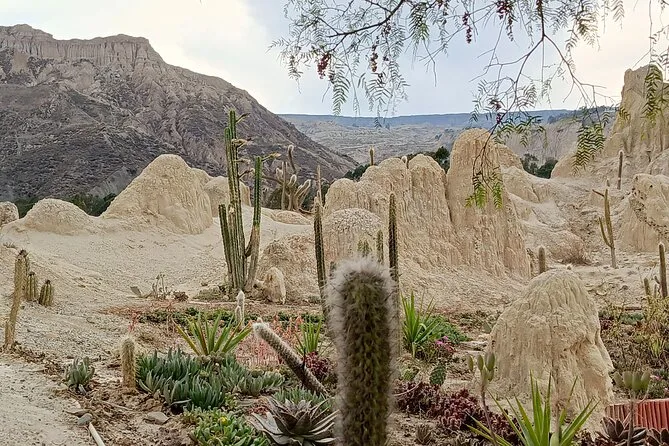
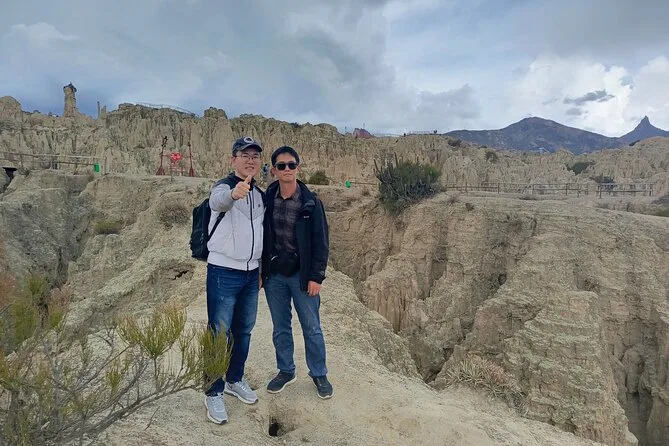
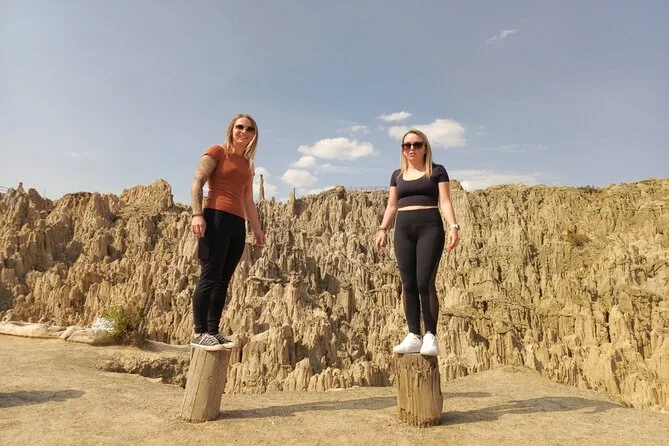
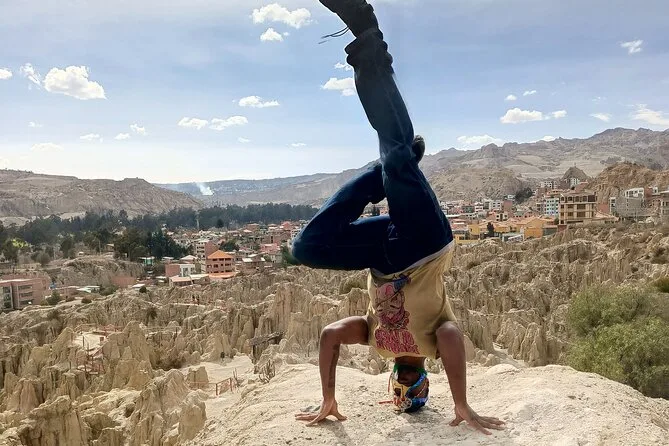
The day started in Valle de la Luna—Valley of the Moon, they call it. I’d barely zipped my jacket before our guide handed out sunscreen and pointed at these weird, spiky formations jutting up like something from another planet. The air smelled dusty and sharp, almost metallic. A couple of us tried to guess what animals the rocks looked like (someone said “llama,” but I saw more of a dragon). I kept brushing grit off my hands after touching one—guess I’m a tactile person. Our guide, Carla, explained how it’s not really a valley at all, just eroded clay. She laughed when I tried to say “Valle de la Luna” with her accent. But she didn’t correct me too hard.
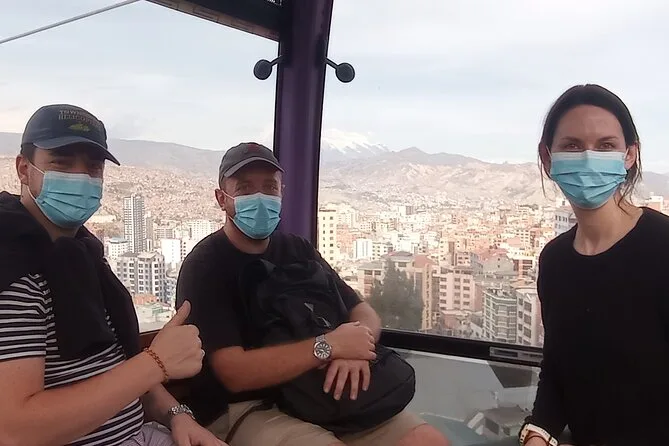
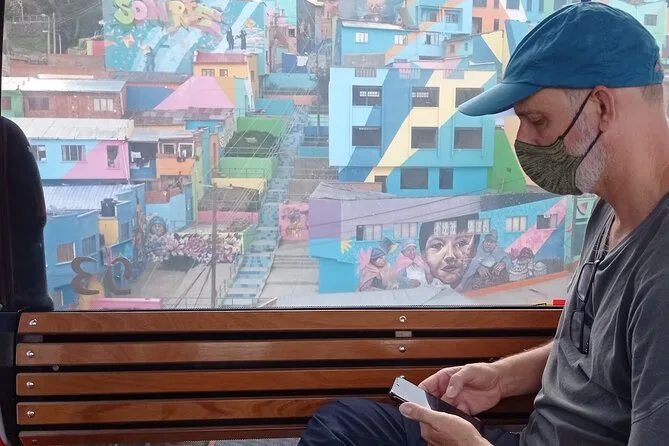
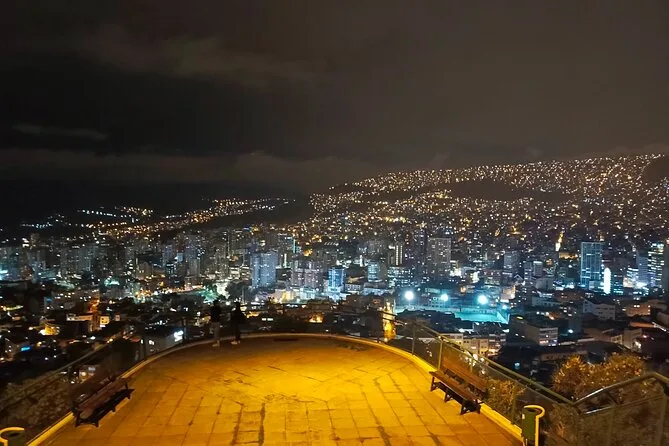
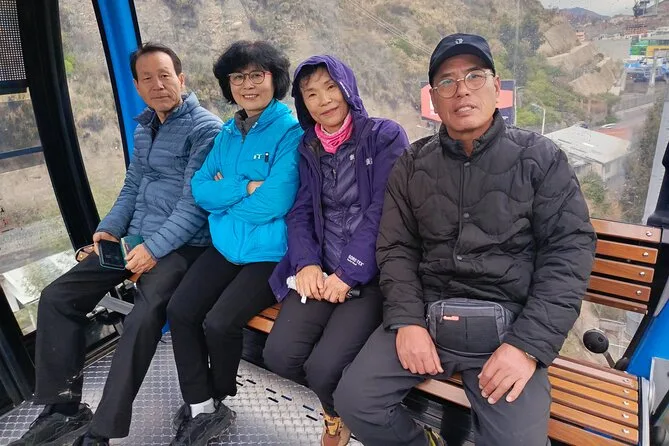
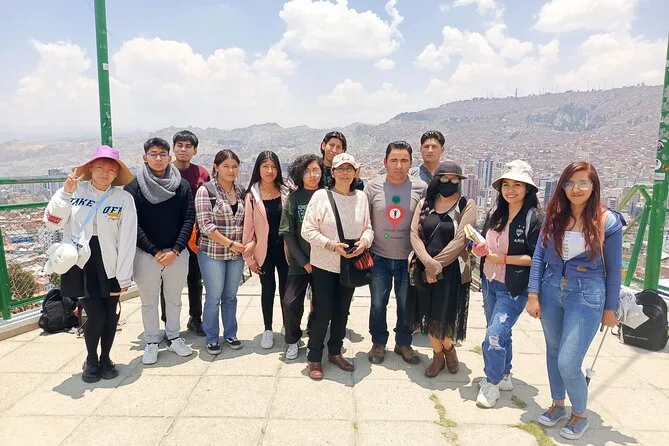
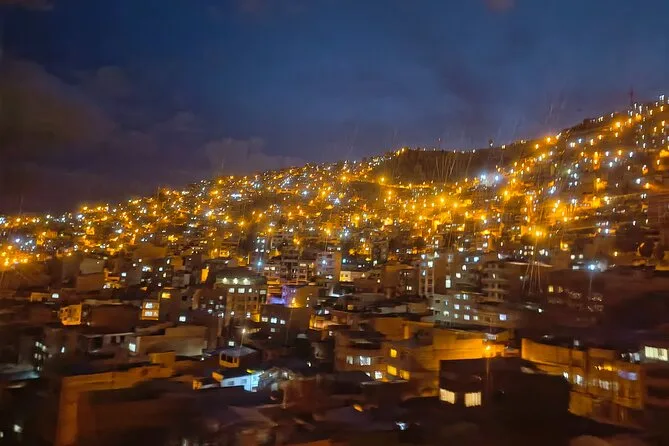
After that we piled into a minivan and headed for the La Paz cable car system—the teleférico. Honestly, I’d seen photos but nothing prepares you for dangling over the city in this little glass box. You look down and there’s La Paz spilling out in every direction, houses stacked like red Lego blocks up impossible hillsides. Carla pointed out El Alto above us—she called it “the Aymara capital”—and told us about her grandmother who still lives up there. The wind rattled the cables just enough to make my stomach flip (not sure if anyone else noticed). At each station, locals hopped on and off like it was no big deal; meanwhile I was glued to the window trying to memorize every bit of mountain skyline.
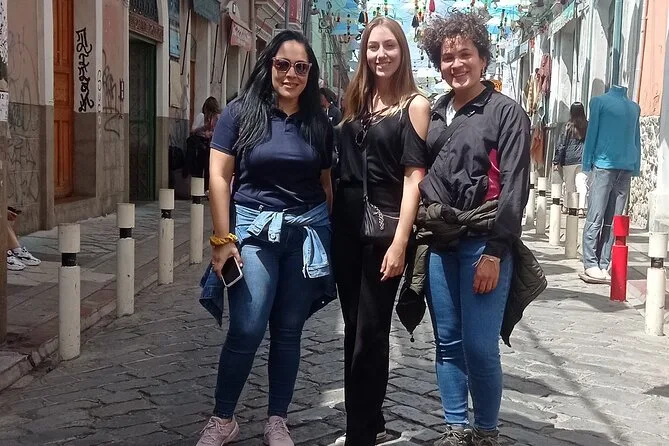
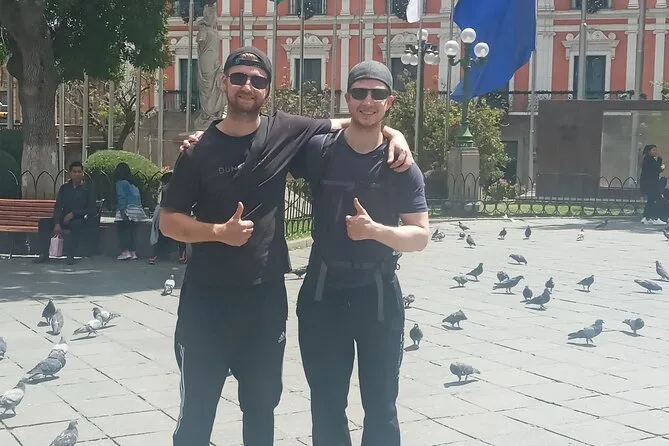
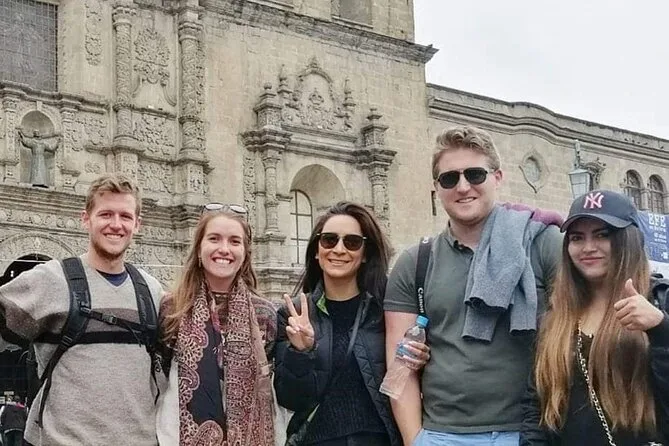
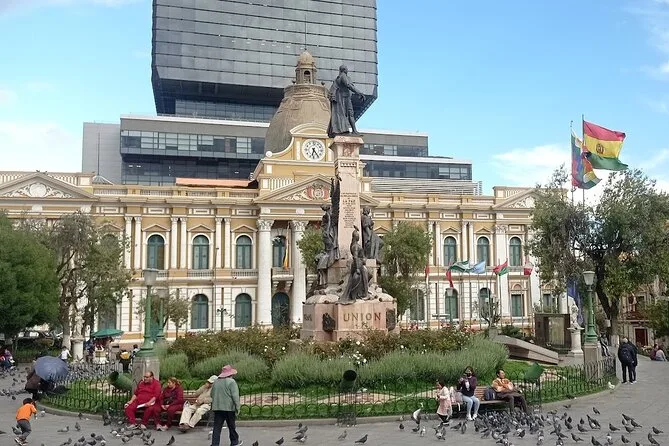
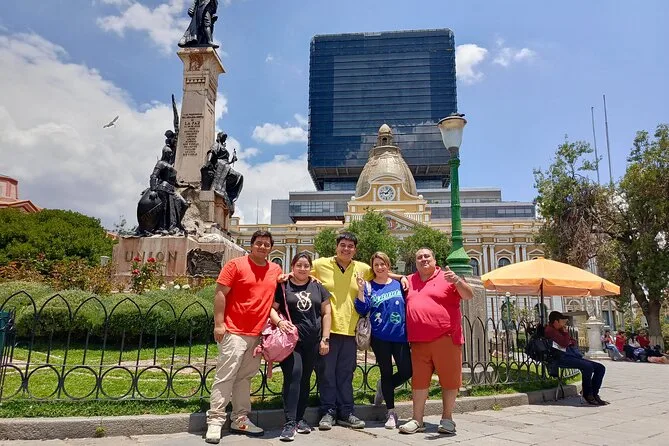
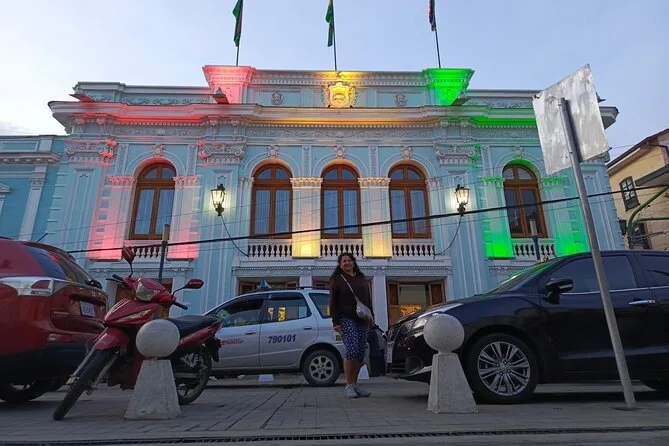
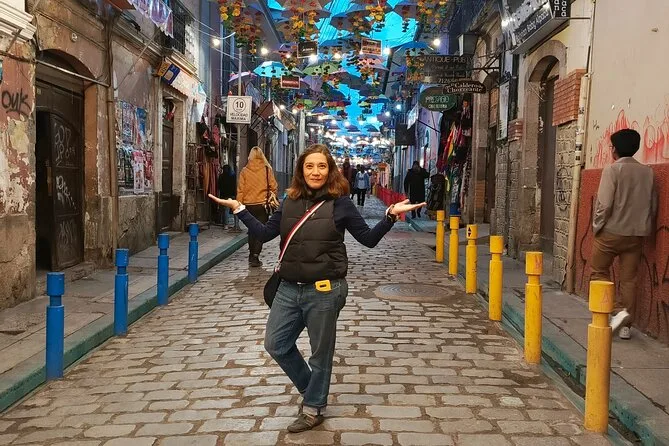
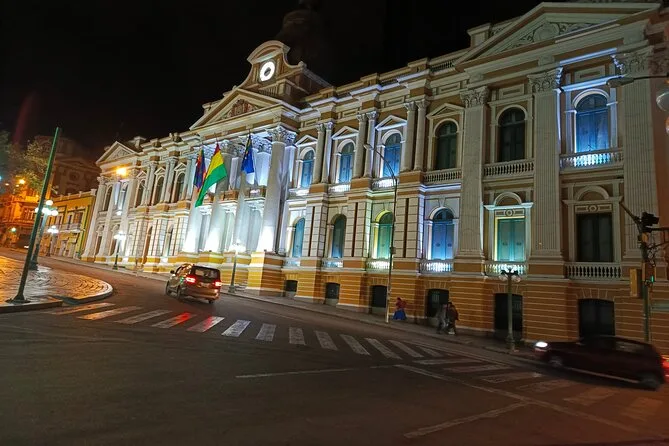
We got off near Jaen Street—a narrow stretch with pastel buildings and old wooden balconies. It felt quieter here, almost secretive compared to the chaos outside. Carla led us past tiny museums (I peeked inside one full of old coins) and then through Plaza Murillo where pigeons outnumbered people by about ten to one. There was some kind of protest happening—nothing wild, just banners and chanting echoing off those big colonial walls. Someone handed me a boiled corn snack; salty-sweet and chewy in a way that stuck with me longer than expected.
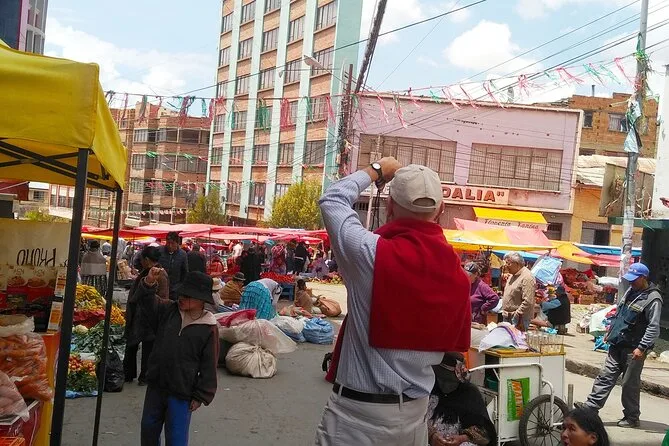
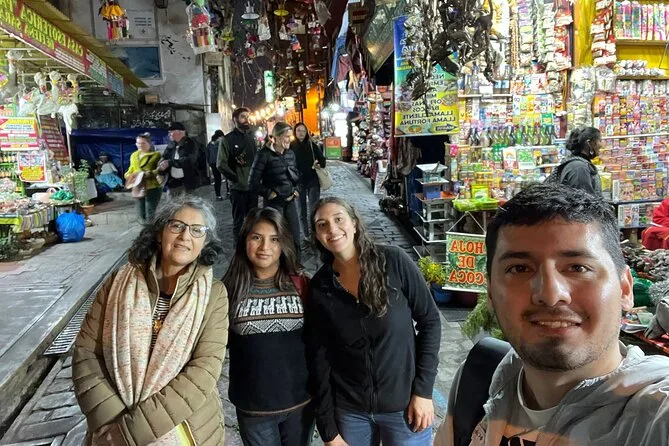
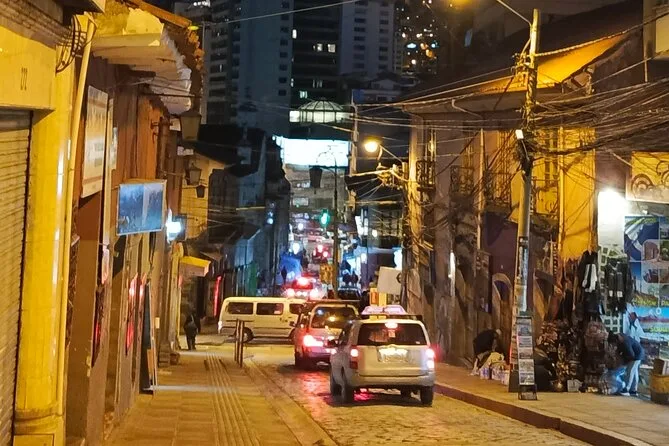
The last stop was the Witches’ Market—Mercado de las Brujas—which honestly smelled like incense mixed with dried herbs and something faintly animal (I didn’t ask). Vendors waved little bundles of llama fetuses at us—apparently for luck? Carla explained some Aymara rituals but admitted she’s still a bit spooked by it all herself. I bought a tiny amulet without really knowing what it does; maybe for protection or just as proof that this place exists outside of guidebooks. Walking back toward San Francisco Church at dusk, everything felt louder but also softer somehow—I still think about that view from the cable car when I close my eyes at night.
 4h–5h
4h–5h

Step-by-step itinerary
Day 1 — Explore La Paz highlights and surroundings
- Visit Valley of the Moon
- Ride cable cars to El Alto
- Explore El Alto city
- Walk Jaen Street museums
- Visit Plaza Murillo
- Tour San Francisco Church
- Shop at Witches Market

Top questions

How long does the La Paz cable car tour take?
The full city tour including cable cars takes around half a day.
Is hotel pickup included for this La Paz city tour?
The tour includes transportation but does not specify hotel pickup; check when booking.
What do you see on a day trip to Moon Valley from La Paz?
You’ll see unique clay formations in Valle de la Luna plus views back toward La Paz.
Are entrance fees included for attractions like San Francisco Church?
Cable car tickets are included; other entry fees may vary or be optional during stops.
Is this tour suitable for travelers with health issues?
This tour is not recommended for those with poor cardiovascular health due to altitude.
Do you visit El Alto during this La Paz tour?
You ride the cable car up to El Alto but do not spend extended time exploring there.
What can you buy at La Paz Witches’ Market?
You’ll find ritual items like amulets, dried herbs, llama fetuses, and souvenirs.
Does this private city tour include lunch?
No lunch is included; your guide may offer dining recommendations along the route.

What’s included
Your day includes all transportation between sites in La Paz plus tickets for five different cable car lines—your local guide leads every step from Moon Valley through Jaen Street and Plaza Murillo right up to Mercado de las Brujas before returning downtown together.
 Super deal
  Free booking, free cancellation.
  Don't lose your place.


 Do you need help planning your next activity?
  +507 6792-0894


