

 +507 6792-0894


3-Day Bhutan Tour: Paro, Thimphu & Tiger’s Nest Hike Experience


Summary
Private Bhutan Journey: Paro, Thimphu & Tiger’s Nest Monastery
You’ll walk ancient bridges, hike to Tiger’s Nest Monastery, taste spicy local dishes, meet Bhutanese families, and feel truly welcomed in this short but rich journey through Bhutan’s heart.

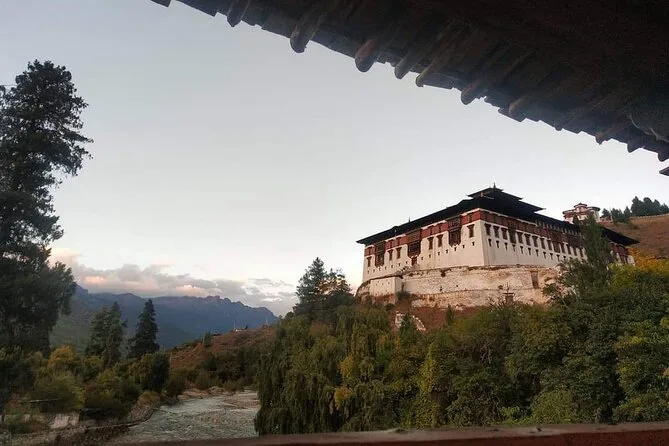
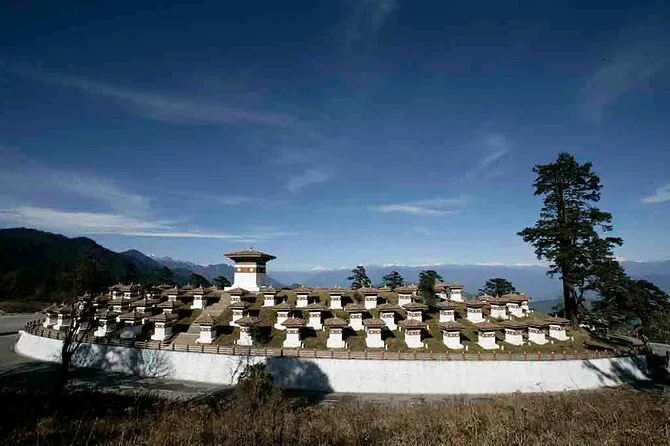
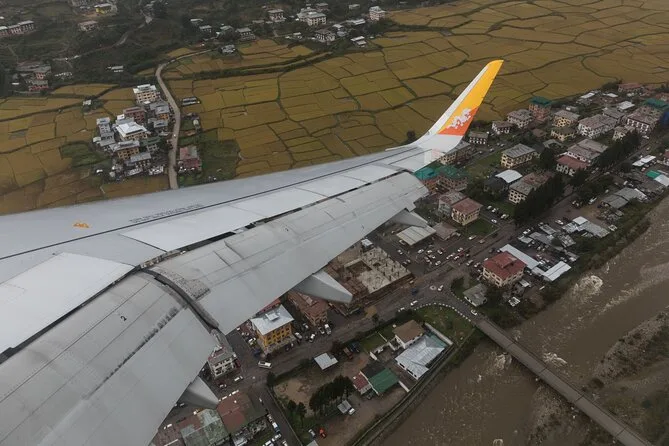
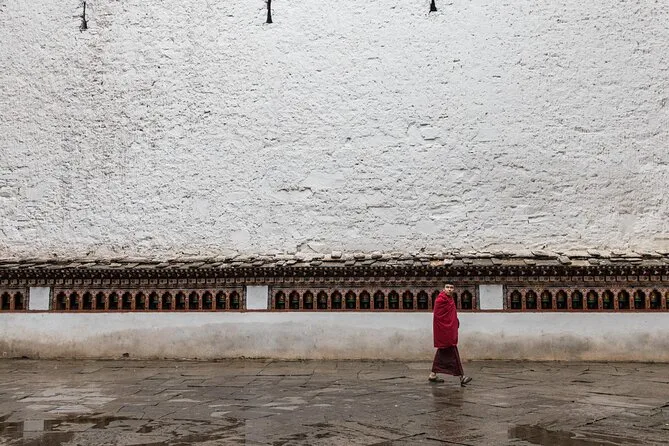
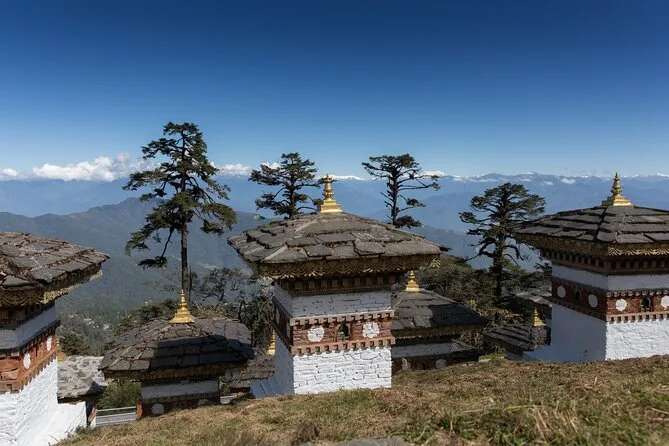
Clouds drifted low over Paro valley as our plane touched down, the river glinting below and the dzong’s white walls catching the morning light. Our guide, Tashi, met us right outside arrivals—he handed out khatas (white scarves) and pointed out the Ta Dzong up on the hill. The drive to Thimphu took us past prayer-flag-draped bridges and tiny roadside stalls selling dried yak cheese. We stopped at Tamchog Lhakhang, where the iron bridge creaked just a little underfoot and the wind carried a faint scent of pine mixed with incense from a nearby altar. Tashi told us stories of Thangtong Gyalpo, the “Iron Bridge Builder,” and I found myself running my hand along the cool metal links, half-listening to the river below.
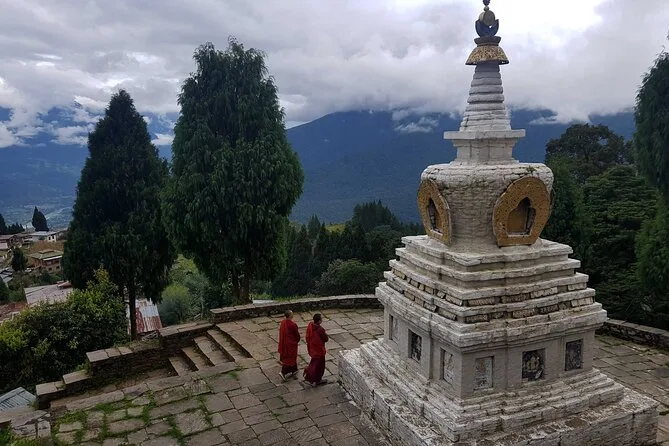
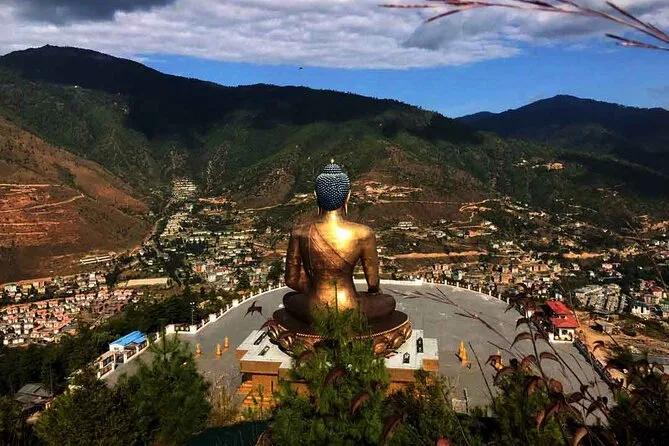
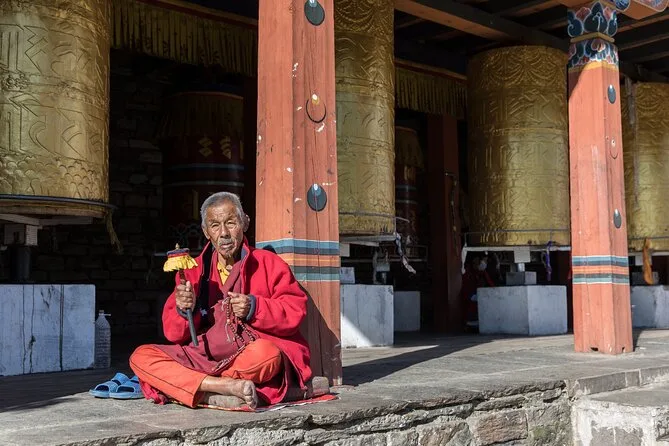
Thimphu felt like a blend of old and new—no traffic lights, just a policeman in white gloves directing cars with slow, practiced moves. After checking in at our hotel (I stayed at Hotel Norpheling, but there are a few options), we wandered to the National Memorial Chorten. Locals circled clockwise, spinning prayer wheels and murmuring mantras. The air was thick with juniper smoke and the sound of soft chanting. Later, we drove up to Buddha Dordenma—honestly, you can see it from almost anywhere in town, but standing beneath it, you really get how massive it is. Tashi explained that inside, there are thousands of tiny Buddhas, each one hand-placed. Before dinner, we visited the Royal Takin Preserve in Motithang. The takins looked almost mythical—sort of like a cow and goat mashed together—and Tashi shared the legend behind their odd shape.
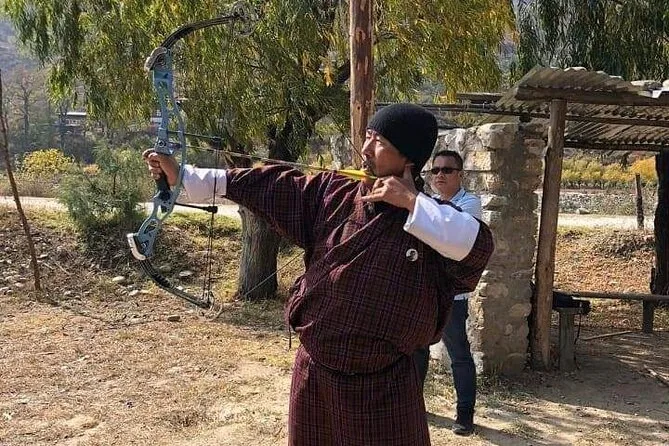
Saturday’s market was buzzing with locals in ghos and kiras, bargaining for red rice and chilies. I tried ema datshi (chili cheese) from a vendor named Sonam—spicy enough to make my eyes water, but she just laughed and handed me sweet suja tea to wash it down. A group of men nearby were playing archery at Changlimithang stadium; you could hear their cheers echo across the field every time someone hit the target.
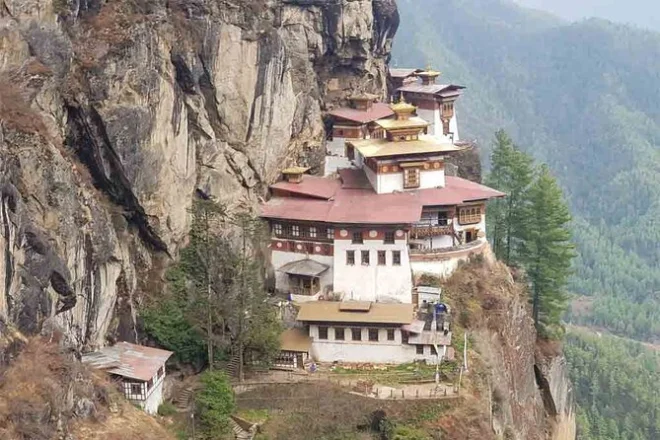
Next morning, we left early for Paro and started our hike to Tiger’s Nest before sunrise—the trail winds through pine forest, and you’ll smell woodsmoke from farmhouses below. It’s a steady climb; I had to stop for breath more than once, but Tashi kept us going with tales of Guru Rinpoche flying here on a tigress. When we finally reached the viewpoint, clouds parted just enough to see the monastery clinging impossibly to the cliffside. There’s a small teahouse halfway up where we rested—best butter tea I’ve ever had.
That afternoon, we visited a family farmhouse outside Paro. The kitchen smelled of burning oak leaves and fresh butter. Our host, Pema, showed us how to make ara (local rice spirit), and we tried our hand at pounding chili paste in her courtyard. If you’d rather wander town, Paro’s main street has little shops selling prayer flags and handwoven scarves—I picked up a set as souvenirs.
On our last morning, we packed up after breakfast—eggs with red rice and homemade jam—and said goodbye to Tashi at Paro airport. The flight out gave one last look at those green valleys and snow peaks. I left with pockets full of prayer beads and memories of smoky kitchens, mountain trails, and so many smiles from strangers who felt like friends.
 3d
3d

Step-by-step itinerary
Day 1 — Arrival and Thimphu Exploration
- Flight to Paro and valley views
- Visit Tamchog Lhakhang and iron bridge
- Drive to Thimphu
- Visit National Memorial Chorten
- See Buddha Dordenma statue
- Visit Royal Takin Preserve
- Explore Farmers' Weekend Market
Day 2 — Paro Drive and Tiger's Nest Hike
- Hike to Taktsang Monastery (Tiger's Nest)
- Visit traditional farmhouse or explore Paro town
Day 3 — Departure
- Breakfast and transfer to Paro Airport

Top questions

Is this Bhutan tour suitable for older travelers or kids?
The tour involves some walking and a moderate hike to Tiger’s Nest, but your guide can adjust the pace or suggest alternatives in Paro if needed. Specialized infant seats are available for transport.
What’s included in the price?
You get all ground transportation, an English-speaking guide, Bhutan visa for 2 nights/3 days, government SDF fees, hotel stays, plus extras like a hot stone bath and local archery game.
How difficult is the Tiger’s Nest hike?
The hike takes about 4 hours round trip on a well-marked trail with some steep sections. It’s manageable for most people with moderate fitness—there are rest stops along the way.
Can I try Bhutanese food during this tour?
Absolutely! You’ll sample local dishes at markets and during your farmhouse visit—think spicy ema datshi, butter tea, and homemade snacks.

What’s included
Your tour covers all ground transport, certified English-speaking guide, Bhutan visa (2 nights/3 days), government SDF fee, 3-star hotel stays, traditional hot stone bath experience, local archery game, plus airport transfers. All you need to do is show up ready to explore!
 Super deal
  Free booking, free cancellation.
  Don't lose your place.


 Do you need help planning your next activity?
  +507 6792-0894


