

 +507 6792-0894


17-Day Private Bhutan Nature & Birding Tour: Wildlife, Culture, Hikes


Summary
Bhutan Birdwatching Adventure & Cultural Journey
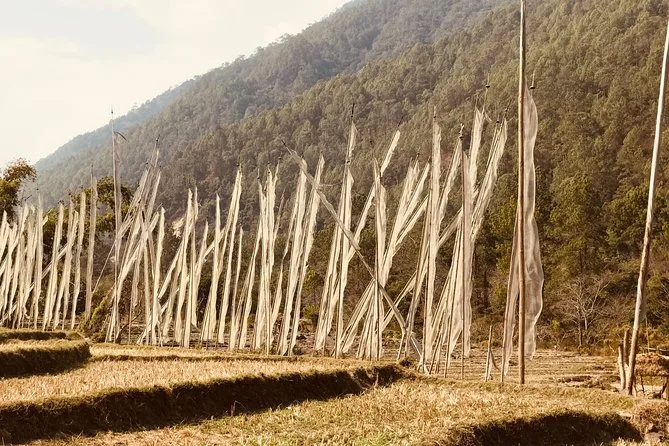
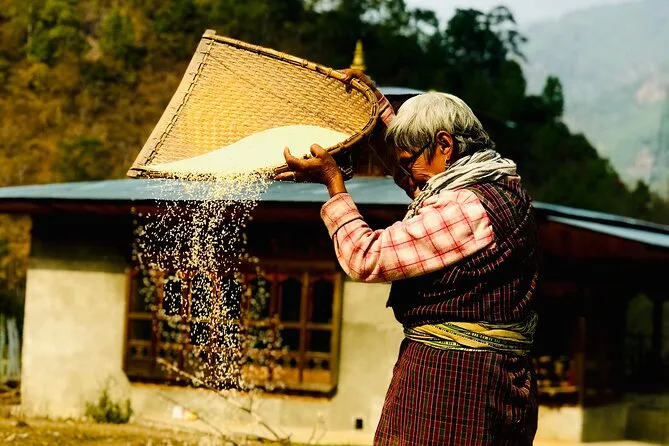
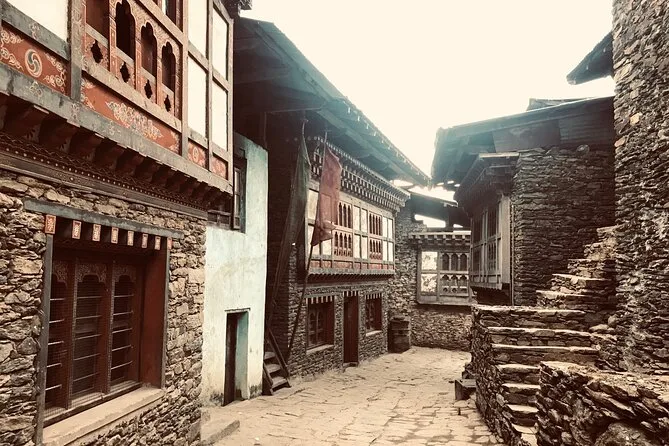
You’ll travel across Bhutan’s wildest corners—from misty mountain passes to lush southern jungles—with expert guides who know every hidden trail and bird call. Expect rare bird sightings (even endangered species), hikes through ancient forests, village visits that feel genuine—not staged—and iconic moments like climbing Tiger’s Nest or drifting down jungle rivers by raft. If you love nature or just want something real beyond postcards, this trip delivers memories you’ll talk about long after you’re home.

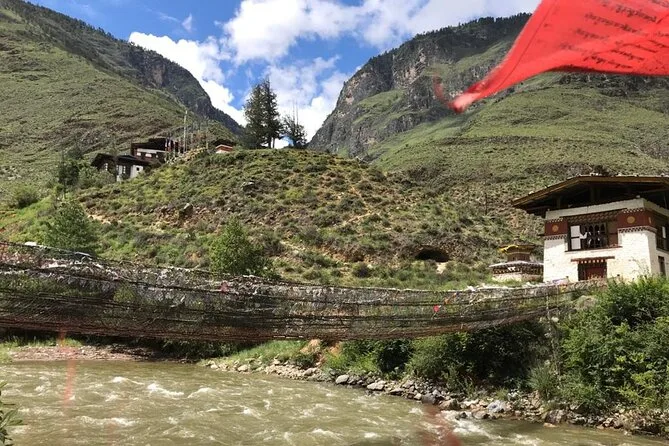
The first thing that hit me in Paro was the crisp mountain air—almost sweet, especially after a long flight. We stopped at Tachogang Lhakhang, perched on a hilltop. Crossing the iron chain bridge over the Pa Chhu river felt like stepping into another world; the bridge creaked underfoot and prayer flags fluttered wildly. Later, our guide took us to Dordenma Buddha—honestly, you can't really grasp its size until you're standing right beneath it. In Thimphu town that evening, I wandered through the craft bazaar and found tiny hand-carved cranes—perfect souvenirs for bird lovers.
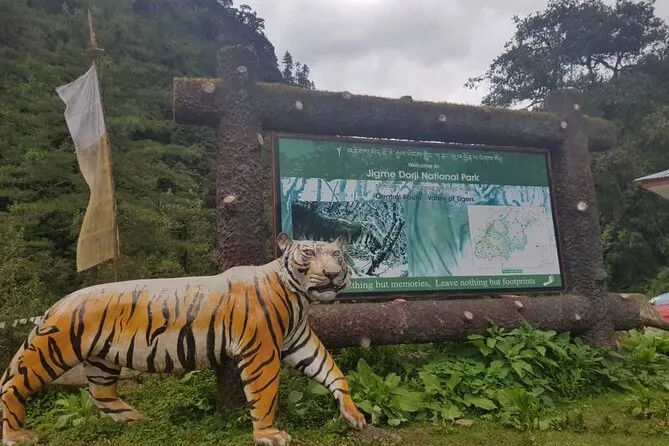
Next morning, we drove north for a hike in Jigme Dorji National Park. The forest here smells of pine needles and damp earth. We had a packed lunch on a mossy log while listening to laughing thrushes and woodpeckers tapping away somewhere above. Our guide pointed out a Fire-capped Tit—tiny but brilliant—and I managed to spot a Brown Dipper by the stream. Back in Thimphu that night, my boots were muddy but my camera was full.
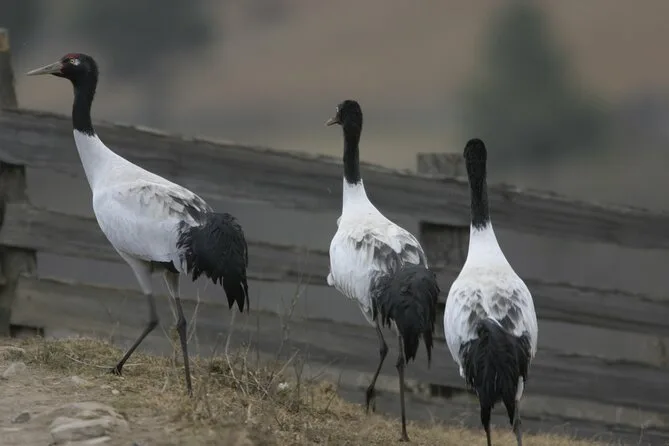
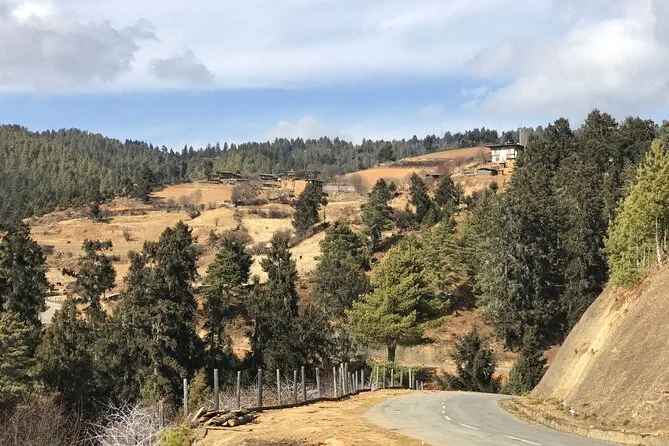
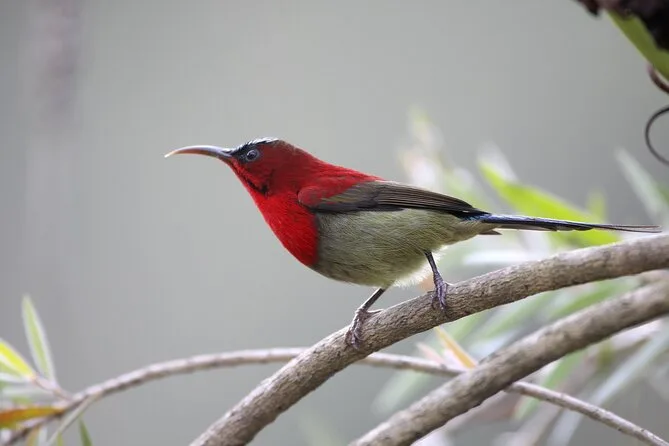
The road to Gangtey winds through thick forests before opening up to Phobjikha Valley—a wide bowl of grassland where black-necked cranes spend their winters. Locals told us stories about these birds being messengers of good luck. We saw honeyguides darting between prayer wheels and sunbirds flitting near old farmhouses. The valley itself is quiet except for distant yak bells and the occasional call of a thrush.
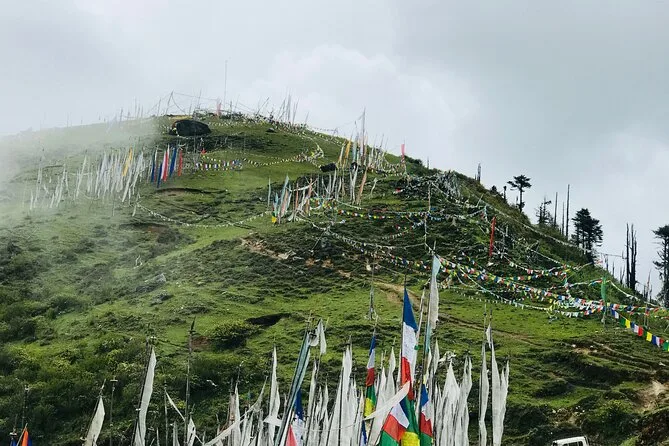
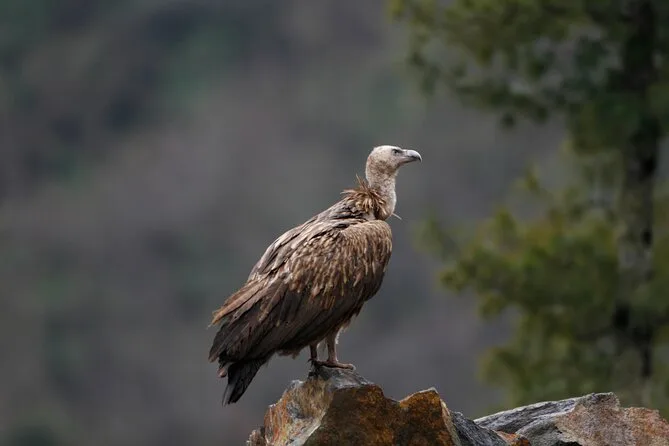
Driving east toward Trongsa meant crossing Pele La Pass (3390m). Up there, clouds drift so low you can almost touch them. The landscape changes fast: oaks give way to firs and then to rhododendrons as you descend. Somewhere near a roadside teahouse (they served salty butter tea), we spotted Himalayan Griffons circling overhead—massive wings casting shadows on the road.
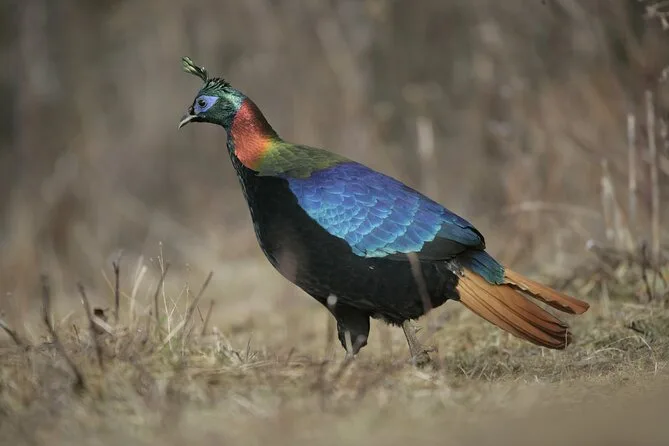
Bumthang is pheasant country. At Tharpaling Monastery, monks were chanting softly while we scanned for Himalayan Monal and Satyr Tragopan among the junipers. I remember seeing an Olive-backed Pipit hopping along an old stone wall—easy to miss if you’re not looking closely.
The real highlight for any birder is Sengor to Yongkola—the so-called “Birding Capital of the World.” That stretch is wild: thick broadleaf forests dripping with moss, clouds rolling in fast, and birds everywhere if you’re patient enough to wait quietly by the roadside. Our guide knew every call; he pointed out Tragopans hiding in undergrowth and a flash of Fire-tailed Myzornis high above us.
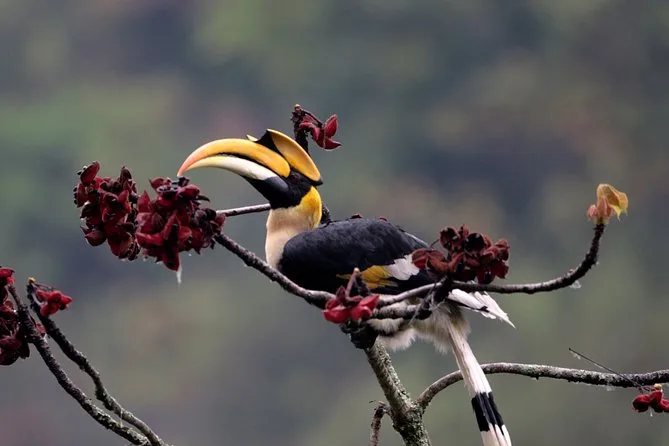
Yongkola itself is paradise for birders—Ward’s Trogon, Rufous-necked Hornbill (their calls echo at dawn), minivets darting like sparks across the canopy. Evenings at our lodge were spent swapping sightings with other guests over hot ginger tea.
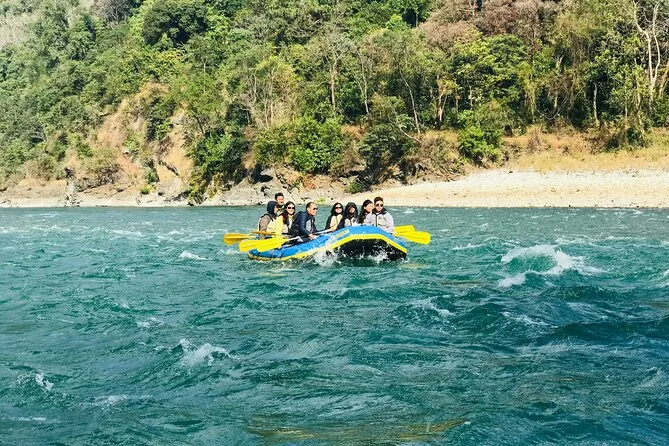
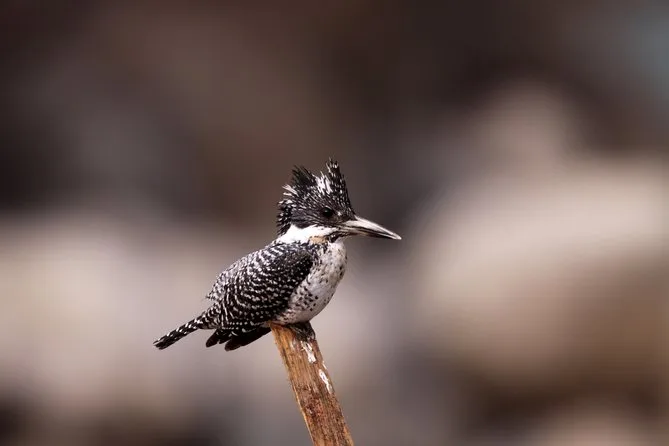
Heading south toward Panbang meant warmer air and thicker jungle. Somewhere along the way we stopped at a roadside stall selling spicy ema datshi (chili cheese)—the perfect snack before reaching Marang Jungle Lodge. Rafting down the Manas river next day was pure fun; kingfishers zipped past as we floated by sandy banks where herons stood motionless.
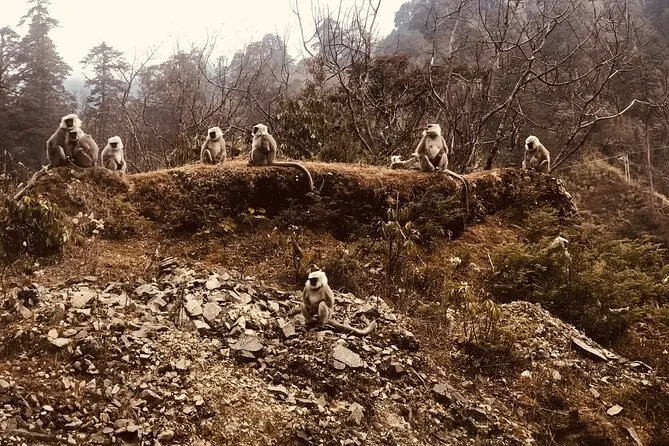
Royal Manas National Park is alive with sound: cicadas buzzing, hornbills crashing through branches overhead, monkeys chattering somewhere unseen. We walked eco-trails looking for Emerald Cuckoo and Wreathed Hornbill—the park guide knew all their favorite spots.
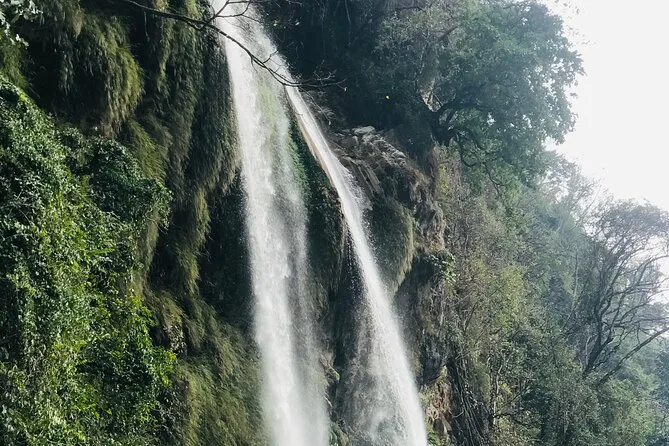
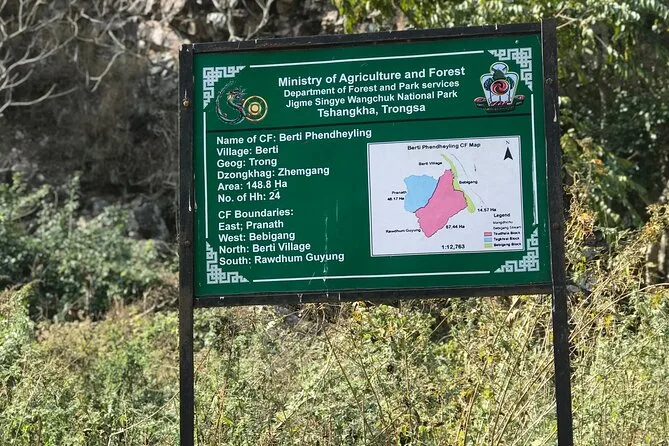
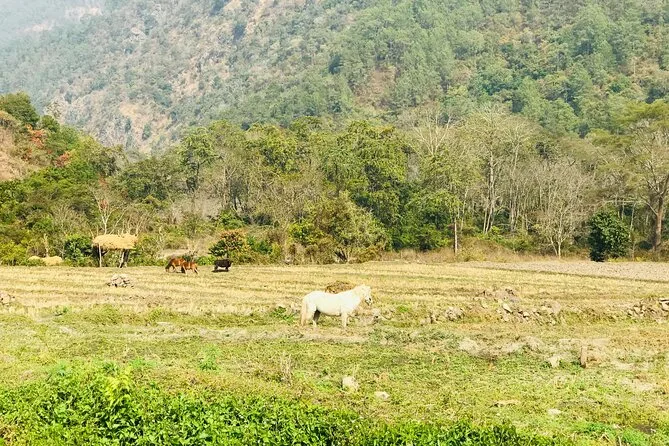
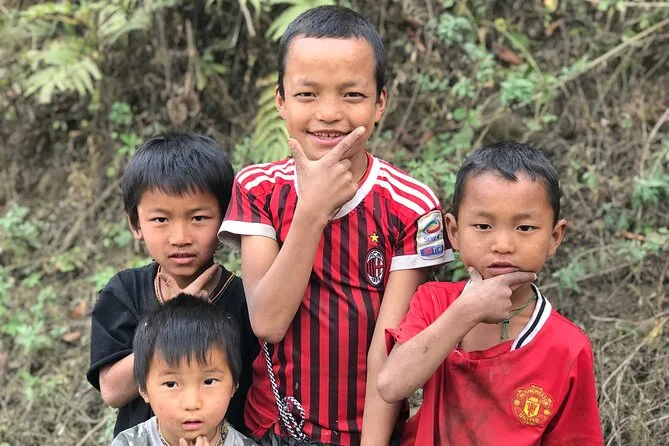
Tingtibi brought more surprises—a giant waterfall thundered nearby as we watched Sultan Tits and Silver-eared Mesias flit through bamboo groves. Visiting Berit village gave us a glimpse into rural life; kids waved as we passed by rice paddies dotted with scarecrows made from old shirts.
The journey back west retraced some earlier routes but always revealed something new—a flock of rosefinches here, or maybe a quick stop at Trongsa Dzong if time allowed (the view from its ramparts is worth every step). In Punakha we visited Chimi Lhakhang; locals shared quirky legends about fertility blessings involving painted phalluses on house walls.
Punakha Dzong sits between two rivers—it’s easy to lose track of time just watching monks cross its wooden bridge in deep red robes. Exploring Mo Chu Valley later brought us close to rare White-bellied Herons fishing quietly at dawn while warblers sang from tangled reeds nearby.
Back in Paro after days on winding roads, I finally got to Chelela Pass early one morning—cold wind biting but totally worth it for glimpses of Kalij Pheasant and Himalayan Monal picking through frost-tipped grass. Picnic lunches taste better when you’ve earned them with an early start!
No trip feels complete without hiking up to Tiger’s Nest Monastery—it’s tough going but every switchback brings new views across pine forests and prayer flags snapping in the wind. Afterward? A hot stone bath back in town soothed every ache (and trust me—you’ll want one), followed by cold Bhutanese beer at Namgay Brewery with fellow travelers sharing stories late into the night.
 17d
17d

Step-by-step itinerary
Day 1 — Paro to Thimphu Highlights
- Visit Tachogang Lhakhang hilltop
- See Dordenma Buddha statue
- Stroll Thimphu craft bazaar
Day 2 — Jigme Dorji National Park Hike
- Drive and hike in Jigme Dorji National Park
Day 3 — Thimphu to Gangtey Valley
- Explore Phobjikha valley birding
Day 4 — Gangtey to Trongsa Drive
- Drive through forests to Trongsa
Day 5 — Trongsa to Bumthang Birding
- Visit Tharparling monastery and birdwatch
Day 6 — Bumthang to Sengor-Yotongla
- Drive and birdwatch between Sengor and Yotongla
Day 7 — Birding in Yongkola Area
- Explore Yongkola birding sites
Day 8 — Yongkola to Panbang Drive
- Drive from Yongkola to Panbang
Day 9 — Panbang and Manas National Park
- Raft and birdwatch in Manas National Park
Day 10 — Panbang to Tingtibi Village
- Drive to Tingtibi and visit Berit village
Day 11 — Tingtibi to Trongsa Drive
- Drive to Trongsa and optional Dzong visit
Day 12 — Trongsa to Punakha Visit
- Visit Chimi Lhakhang temple
Day 13 — Punakha and Mo Chu Valley
- Visit Punakha Dzong
- Explore Mo Chu Valley and Jigme Dorji Park
Day 14 — Punakha to Paro Drive
- Drive to Paro and sightseeing
Day 15 — Paro to Chelela Pass
- Drive to Chelela Pass for pheasant spotting
Day 16 — Tiger's Nest Hike
- Hike to Tiger's Nest and relax
Day 17 — Departure Day
- Transfer to airport

Top questions

Is this tour suitable for beginner birdwatchers?
Absolutely! Our guides are great at helping both beginners and experienced birders spot key species—they’ll point out calls and help with identification throughout the trip.
What kind of accommodation should I expect?
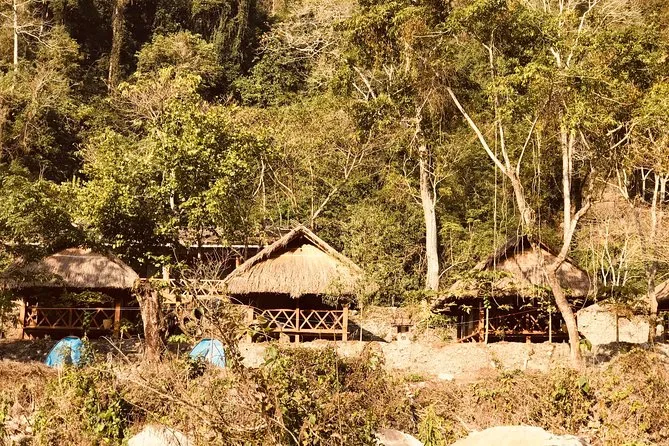
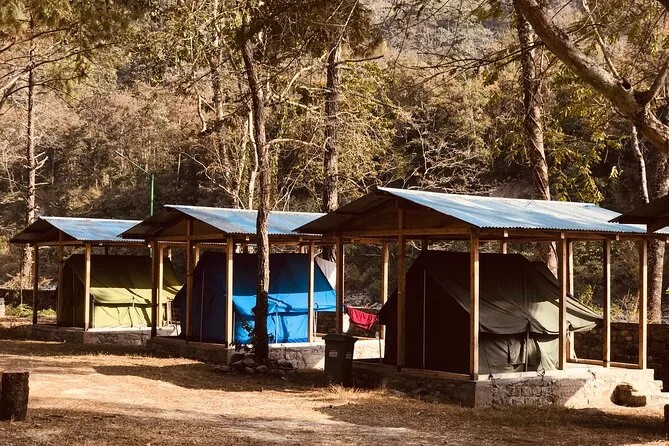
You’ll stay mostly in comfortable 3-star hotels or eco-lodges chosen for their location near top wildlife sites—clean rooms, friendly staff, often great views too!
How physically demanding are the hikes?
The hikes vary from easy walks in valleys or parks to more challenging climbs like Tiger’s Nest—but there’s plenty of time built in for breaks or going at your own pace.
Can dietary restrictions be accommodated?
Yes! Just let us know your needs ahead of time—we can arrange vegetarian meals or avoid certain ingredients wherever possible along the route.

What’s included
Your tour covers government SDF fees ($100 per person per night), Bhutan visa processing, all accommodation (hotels/lodges), private transport within Bhutan, certified English-speaking guide throughout your journey, internal taxes/charges—and yes: all those hidden gems only locals know about! Service animals are welcome; public transport options are nearby most stops; suitable for all fitness levels too.
 Super deal
  Free booking, free cancellation.
  Don't lose your place.


 Do you need help planning your next activity?
  +507 6792-0894


