

 +507 6792-0894


Antwerp: Historical Walking Tour with Local Legends & Rubens


Summary
Walk Antwerp’s guild houses, Rubens art, hidden alleys & stories
You’ll wander Antwerp’s cobbled squares, slip down secret medieval alleys, and stand before Rubens’ art where he actually lived and worked. Expect laughter from your local guide’s stories, plus small details you’d miss alone — like the smell of waffles or echoes in old courtyards. This isn’t just sightseeing; it feels like borrowing someone else’s memories for an afternoon.

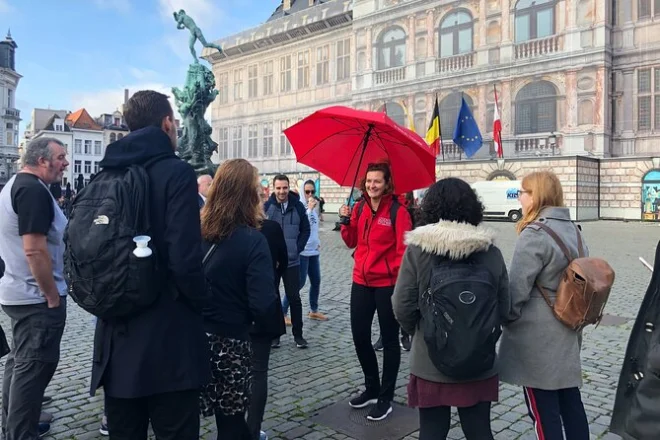
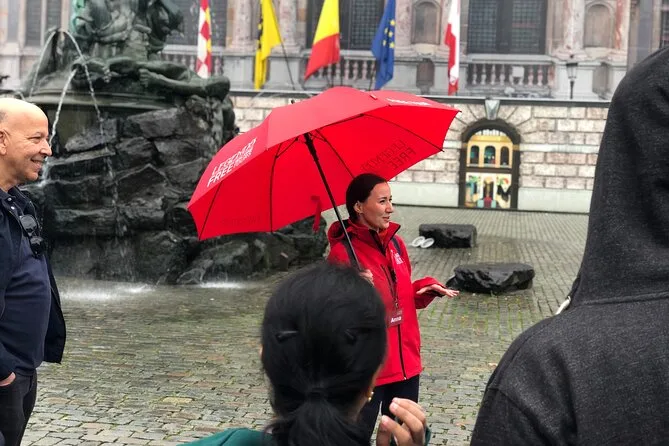
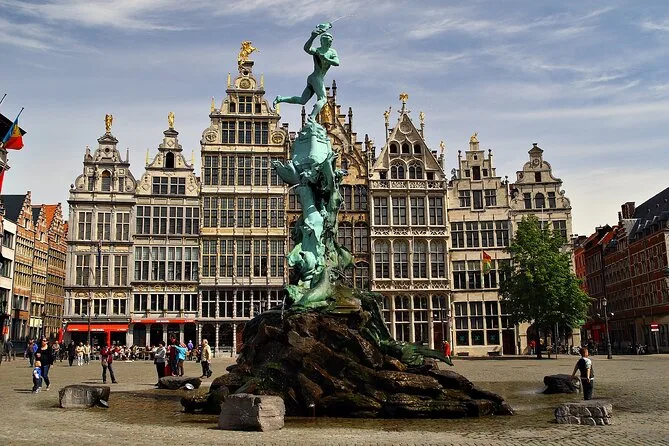
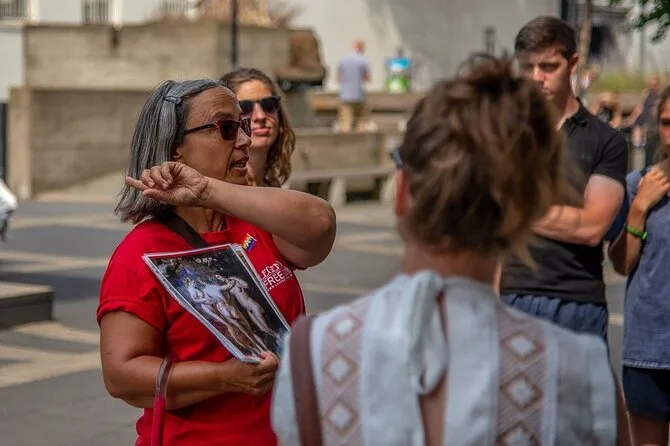
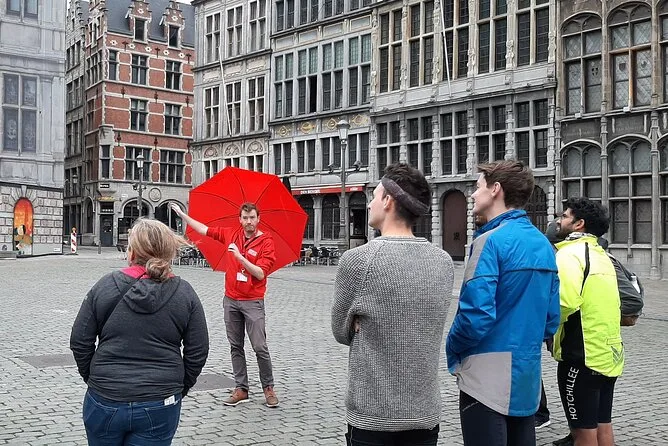
The first thing I noticed on the Grote Markt was how the stones felt under my shoes — a little uneven, almost echoing the jumble of medieval rooftops overhead. Our guide, Pieter (he wore a red scarf instead of the umbrella that day), started right away with a story about the Brabo Fountain and some local legend involving a giant’s hand. I caught whiffs of waffles from a nearby stall and honestly got distracted for a second. The square buzzed with locals on bikes weaving through tourists clutching cameras; it didn’t feel staged at all.
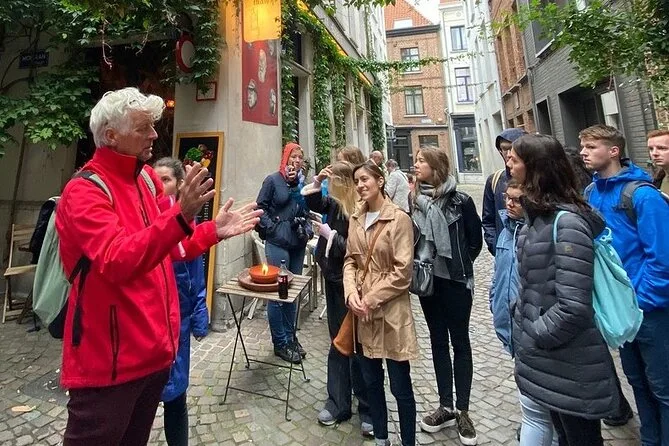
We ducked into an alley — Vlaeykensgang, I think? — and suddenly everything went quiet except for our footsteps. It was like stepping out of time. Pieter pointed out faded doorways and told us how this was once home to shoemakers and bell ringers. I tried to imagine what Antwerp sounded like centuries ago; maybe not so different except for the distant church bells we heard as we walked past St. Charles Borromeo Church (that ceiling! I’m still thinking about it). He made us laugh trying to pronounce ‘Plantin-Moretus’ — I definitely failed at that one.
The day trip through Antwerp’s historical center kept surprising me — especially when we stopped at the Rubens House. The walls there almost felt heavy with paint and secrets; Pieter shared little things about Rubens’ life that you don’t read in guidebooks. Passing through the fashion district was another curveball — mannequins in wild outfits next to centuries-old bricks. By the end, standing in front of the Cathedral of Our Lady with its spire catching late afternoon light, Pieter handed us a list of places to eat and just grinned: “You’ll need energy after all these stories.” He wasn’t wrong.
 2h
2h

Step-by-step itinerary
Day 1 — Explore Antwerp's historical center
- Meet guide at Grote Markt square
- Learn history of Grote Markt and monuments
- Visit Hendrik Conscience square
- See 17th century Baroque church with Rubens art
- Explore the Bourse of Antwerp
- Tour Rubens House and learn about the painter
- Pass through designer's quarter for fashion insights
- Visit Plantin-Moretus Museum and historical garden
- Walk through Vlaeykensgang medieval street
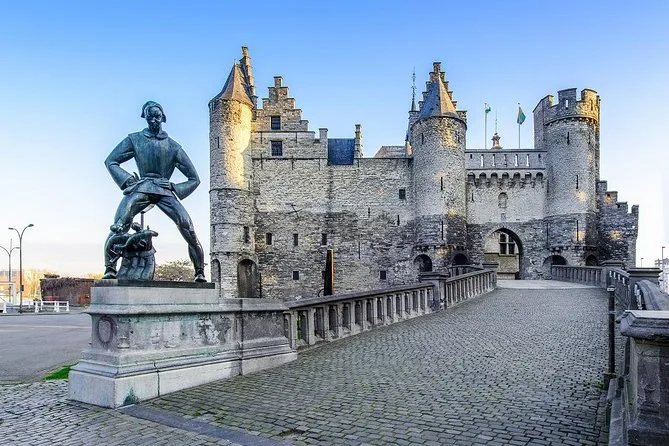
- See Nello and Patrasche statue and hear its story
- End tour at Cathedral of Our Lady with history
- Receive local recommendations from guides

Top questions

How long does the historical walking tour in Antwerp take?
The tour covers central Antwerp highlights over several hours but actual duration may vary depending on group pace and opening hours.
Is entry to museums included in this Antwerp walking tour?
Visits to monuments like Plantin-Moretus Museum and Rubens House are included during opening hours without extra fees.
Are tips required for guides on this tour?
Tipping is encouraged as guides are volunteers; bring cash since tips are not included in booking fees.
Is this Antwerp walking tour wheelchair accessible?
Yes, all areas and transportation options on this historical walking tour are wheelchair accessible.
Does the tour include recommendations for food or things to do after?
Yes, guides offer personal recommendations for restaurants and activities at the end of your walk.

What’s included
Your afternoon includes all entry fees and taxes as you explore Antwerp’s historic center with a volunteer local guide; museum visits are part of the route when open, and you’ll finish with plenty of insider tips for eating or exploring more on your own—just remember to bring some cash if you’d like to tip your guide at the end.
 Super deal
  Free booking, free cancellation.
  Don't lose your place.


 Do you need help planning your next activity?
  +507 6792-0894


