

 +507 6792-0894


5-Day Bangladesh Tour: Dhaka, Sonargaon & Barisal River Life







Summary
Bangladesh Heritage Tour: Dhaka Sights & Ganges Delta Adventure
If you want real insight into Bangladesh—from Dhaka’s historic heart to quiet delta villages—you’ll love this journey. You’ll meet locals, taste home-cooked food, cruise ancient rivers, and see daily life up close in places most travelers never reach.

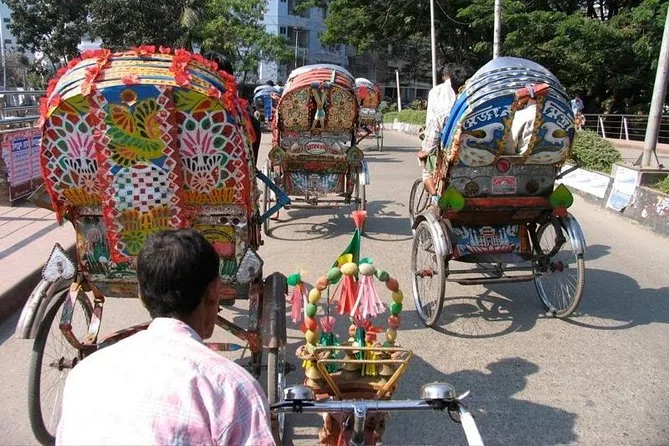
Dhaka hits you right away—rickshaw bells, the smell of fried snacks in the air, and a kind of organized chaos that somehow works. Our guide met us at the hotel lobby (tiny but clean rooms, by the way) and we set off early to beat the midday heat. First stop: the National Parliament House. Even from outside, it’s hard not to stare at Louis Kahn’s geometric masterpiece—locals were snapping selfies too. The University of Dhaka felt lively with students everywhere; our guide shared how it played a big part in Bangladesh’s independence. At the Shaheed Minar monument, we saw fresh flowers left by families—February 21st is a huge deal here for International Mother Language Day.
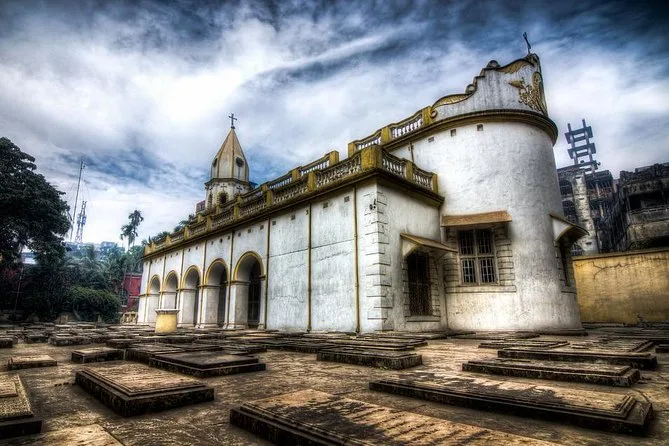
Lalbagh Fort was next. There’s something about wandering those old Mughal walls that makes you feel like you’ve stepped back in time. We had to wait until after 2:30pm since Mondays are half days—worth checking before you go. Dhakeshwari Temple buzzed with worshippers lighting incense; I noticed marigold garlands everywhere. In Shakhari Bazaar, narrow lanes were packed with artisans hammering jewelry and kids flying kites from rooftops. The Star Mosque really stood out—white marble with star patterns all over—and our guide reminded us to cover up before heading inside (ladies especially). Armenian Church was quiet but beautiful; it’s tucked away in Old Dhaka and easy to miss if you’re not looking.
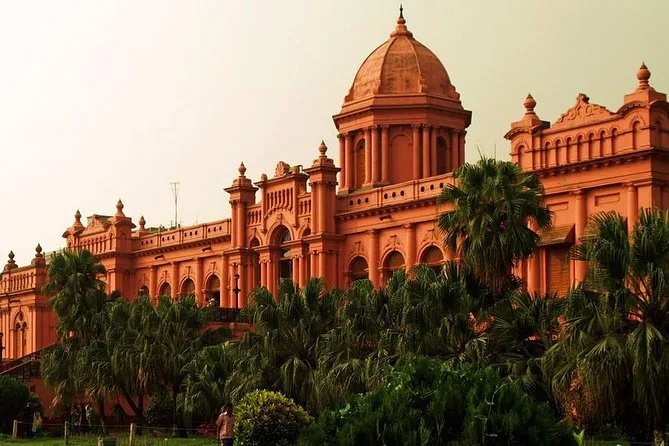
The next day took us out to Sonargaon—the old capital. Panam City looked almost frozen in time, though some buildings are crumbling so watch your step. The Folk-Art Museum had quirky displays (closed Thursdays), and Goaldi Mosque sat quietly among rice fields. Ahsan Manzil—the Pink Palace—was busy with school groups but still impressive; its history as a Nawab residence came alive through old photos inside. Sadarghat Port was pure madness: ferries packed with people, porters shouting over each other, and that unmistakable river smell mixed with diesel fumes. We hopped into a tiny rowboat at sunset—the city skyline glowing behind us—before boarding an old paddle steamer for an overnight cruise south.
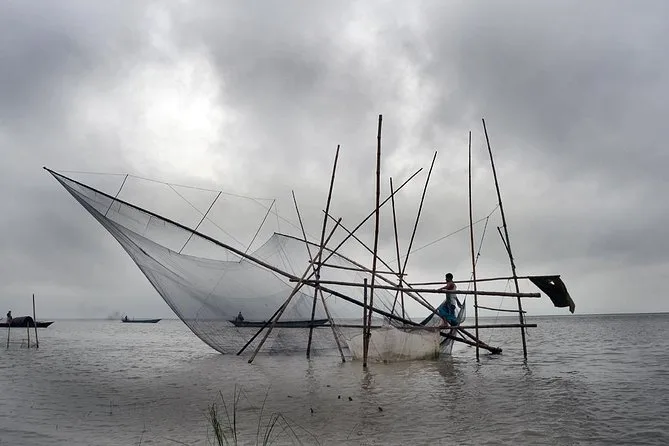
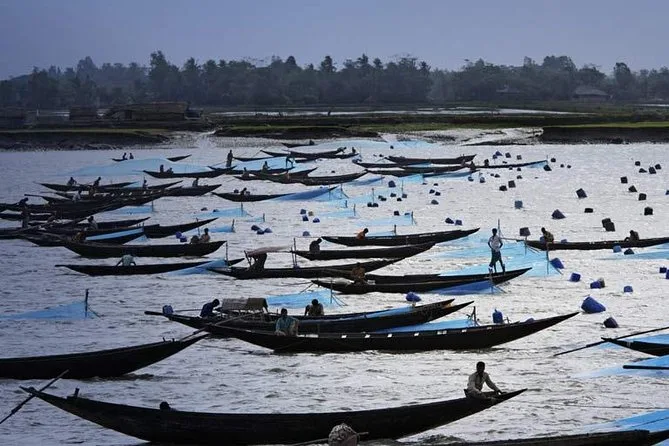
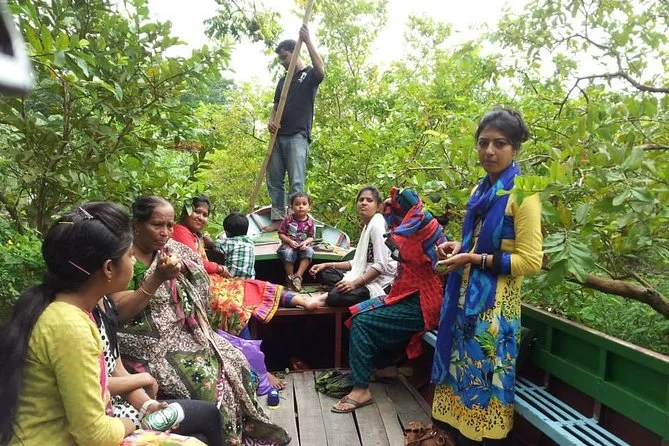
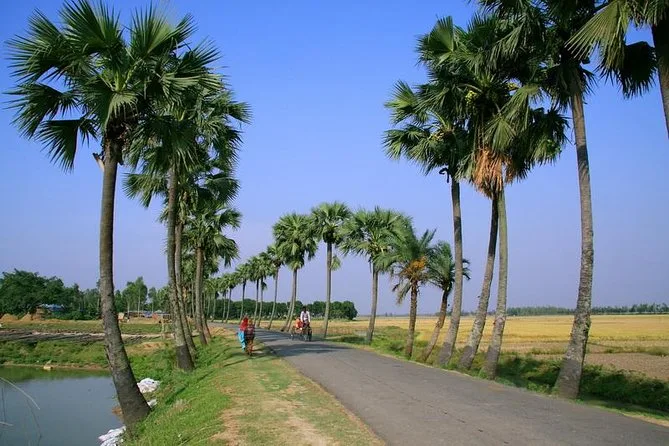
Waking up near Barisal was surreal—mist rising off endless waterways dotted with fishing boats. Our host family greeted us at a small riverside village; breakfast was simple but tasty (fresh rice cakes and sweet tea). Spent the day joining locals: watched kids recite lessons at a village school, tried paddling a country boat (harder than it looks), and helped harvest guavas straight from the orchard trees. Lunch was home-cooked fish curry eaten cross-legged on the floor while chickens wandered in and out.
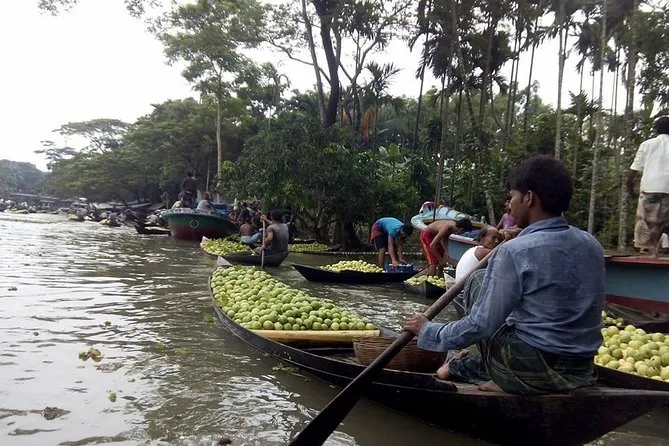
The following morning we drifted through narrow canals where houses seemed to float on water. People waved from their porches; one woman handed us slices of jackfruit as we passed by. The floating guava market was buzzing—boats loaded with green fruit bumping side by side while buyers haggled loudly in Bangla. Timber logs stretched for what felt like miles along the riverbank; sawmills nearby worked non-stop without much safety gear in sight (earplugs wouldn’t hurt here). After a tuk-tuk ride back into town and some downtime at our small hotel, we caught another overnight ferry back to Dhaka.
 5d
5d

Step-by-step itinerary
Day 1 — Explore Dhaka's Heritage
- Visit Bangladesh National Parliament (outside)
- Visit University of Dhaka
- See Language Movement Monument
- Tour Lalbagh Fort
- Visit Dhakeshwari Temple
- See Star Mosque
- Walk Shakhari Bazaar
- Visit Armenian Church
Day 2 — Sonargaon and River Cruise
- Visit Sonargaon and Folk-Art Museum
- Tour Ahsan Manzil (Pink Palace)
- Explore Sadarghat Central River Port
- Board Paddle Steamer Rocket for overnight cruise
Day 3 — Barisal Village Experience
- Disembark at Barisal, meet host family, village tour, school visit, boat ride
Day 4 — Barisal Canals and Markets
- Visit guava gardens, floating guava market, timber market, saw mills, transfer to Barisal
- Evening passenger ferry to Dhaka, overnight on board
Day 5 — Departure from Dhaka
- Airport drop-off

Top questions

Is this tour suitable for families or older travelers?
Yes—it’s designed for all fitness levels and families are welcome! Some walking is involved on uneven ground or busy markets but nothing too strenuous.
What kind of accommodation should I expect?
You’ll stay in centrally located hotels in Dhaka and Barisal (simple but comfortable), plus two nights on board passenger ferries in first-class cabins for sleeping only.
Are meals included during the village stay?
Yes! You’ll enjoy traditional breakfasts, lunches, and dinners prepared by your host family during your time in the delta village.
How do I get around during the tour?
The tour uses private vehicles where possible plus local transport like tuk-tuks, ferries, rowboats, and paddle steamers for an authentic experience.
Are there any dress codes or cultural tips I should know?
For mosques or temples, modest clothing is required—women should cover their heads inside mosques and everyone should avoid shorts when visiting religious sites.

What’s included
Your trip covers airport transfers, all transport (private car & local vehicles), entry fees/tickets for attractions listed above, friendly English-speaking guides throughout, accommodations as per itinerary (hotels & ferry cabins), plus meals during your village stay. Specialized infant seats are available if needed—just let us know ahead of time!
 Super deal
  Free booking, free cancellation.
  Don't lose your place.


 Do you need help planning your next activity?
  +507 6792-0894


