

 +507 6792-0894


Vienna: Hitler Walking Tour with Historian & WWII Sites
 2h 30m
 4.83
(842 reviews)
4.83
(842 reviews)


Summary
Walk Vienna’s dark history where Hitler once stood
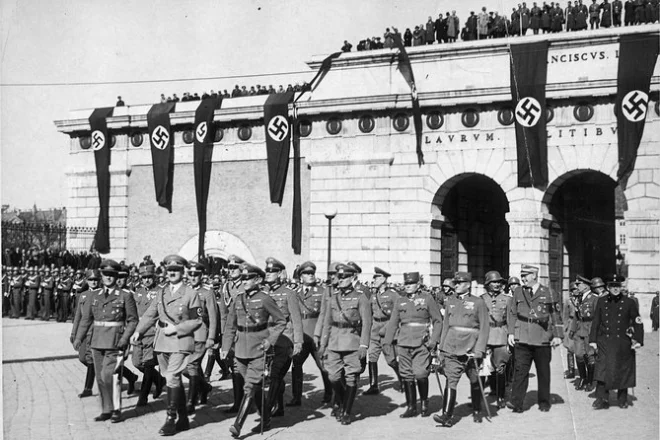
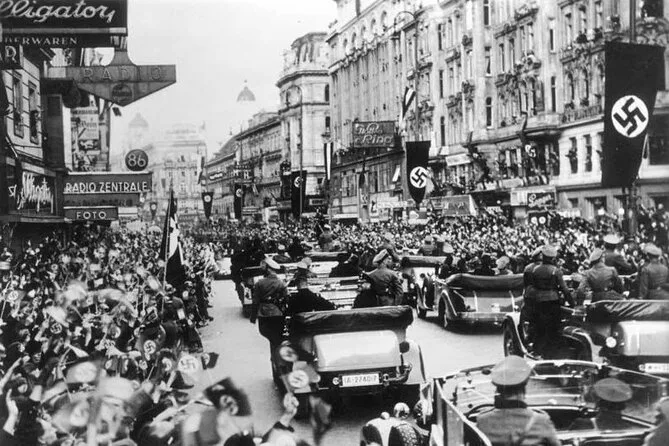
You’ll walk Vienna’s streets with a historian who brings hidden stories into daylight — from Heldenplatz’s haunting silence to Judenplatz’s carved names and the secret synagogue behind its gate. Expect raw moments and honest conversation as you trace how history left its marks on everyday places.

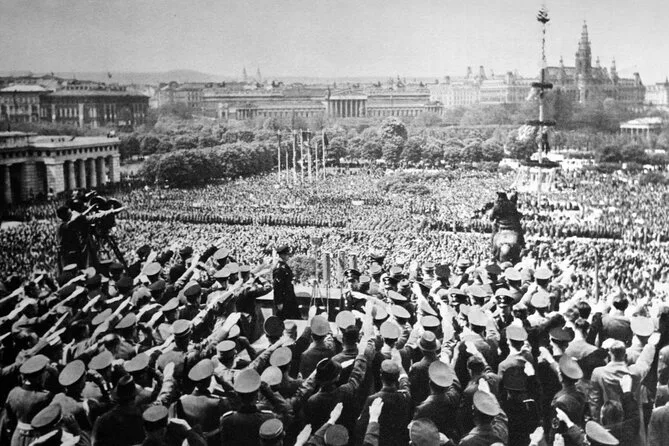
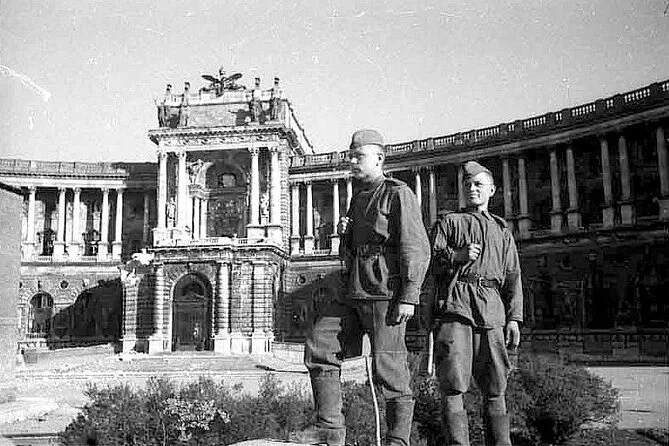
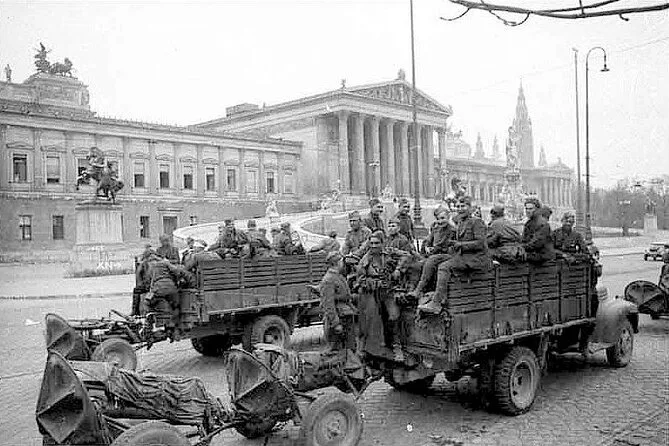
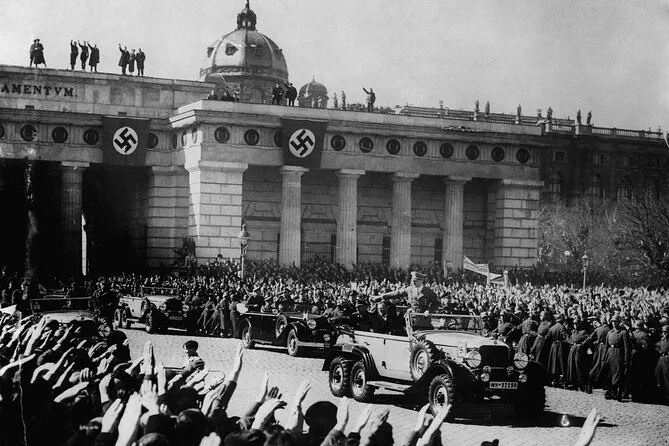
“Here’s where he stood,” our guide whispered, pointing at Heldenplatz. I don’t know what I expected — maybe something grander, or colder? But it was just a city square, pigeons flapping and someone tuning a violin nearby. The idea that Hitler addressed thousands from this spot felt almost too heavy for the ordinary light of Vienna. Our guide (Anna, whose grandfather survived the war) didn’t dramatize anything; she just let the facts land. Sometimes she’d pause and let us stand in silence. It made me think more than any textbook ever did.
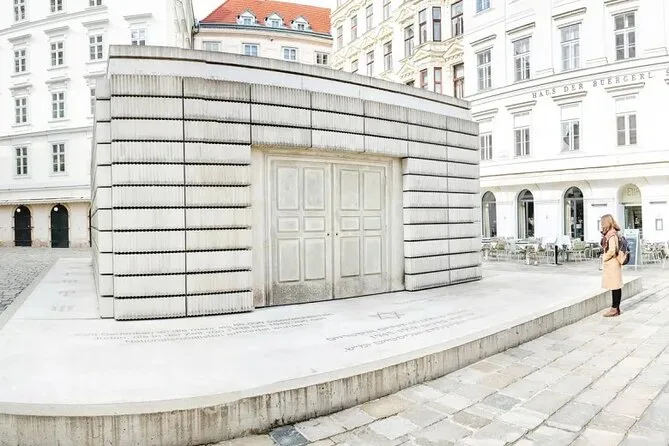
We walked through old streets — cobblestones underfoot, little bits of graffiti near the Academy of Fine Arts Vienna where Hitler got rejected as a young man (I tried to imagine him as an art student and honestly couldn’t). Anna joked that even locals still debate what might have changed if he’d been accepted. At Judenplatz, there was this faint smell of wax from a nearby candle shop mixing with the chill in the air. The memorial there is stark; names carved everywhere. I caught myself tracing them without meaning to.
The only synagogue that survived the Holocaust is hidden behind an apartment block on Seitenstettengasse. You’d miss it if you didn’t know — which is kind of the point, Anna said. She read out the inscription above the gate (“Come to his gates with thanksgiving…”), and for a second I felt oddly hopeful. We ended at Morzinplatz, where the Gestapo had their headquarters in what used to be a fancy hotel. People were quiet here; even Vienna’s usual traffic seemed to hush for a minute.
I didn’t expect to feel so much walking these streets — not anger exactly, but something like awe mixed with sadness. If you want to really understand how fast things can change in a city like Vienna, this tour does it better than any museum wall text ever could.
2h 30m

Step-by-step itinerary
Day 1 — Explore Vienna's WWII historical sites
- Visit Vienna State Opera history
- See Memorial against War and Fascism
- View Academy of Fine Arts Vienna
- Stop at Heroes’ Square (Heldenplatz)
- Visit Judenplatz Jewish memorial
- See Morzinplatz Gestapo memorial
- Visit Seitenstettentempel synagogue

Top questions

How long is the Hitler walking tour in Vienna?
The tour lasts about 2.5 hours on foot through central Vienna.
Is this tour wheelchair accessible?
Most areas are accessible but due to many cobblestones, it may be challenging for some wheelchair users.
What sites are included on this historical tour?
You’ll visit Heldenplatz, Judenplatz, Academy of Fine Arts Vienna, Morzinplatz and the only surviving synagogue at Seitenstettengasse.
Who leads the tour?
The walking tour is led by one of four local historians familiar with WWII history in Vienna.
Does this tour include pickup or public transport?
No pickup is included but public transportation options are available nearby each stop.
Are children allowed on this tour?
Yes, infants and small children can join in a pram or stroller if needed.
What should I wear or bring for this day trip?
Wear comfortable shoes and clothes; bring water and be prepared for unpredictable Viennese weather (sunblock or umbrella).

What’s included
Your day includes a 2.5-hour guided walk led by a licensed historian through central Vienna’s key WWII sites such as Heldenplatz and Judenplatz; you’ll also see the only surviving synagogue from that era. The route is mostly accessible by foot and public transport is nearby if needed.
 Super deal
  Free booking, free cancellation.
  Don't lose your place.


 Do you need help planning your next activity?
  +507 6792-0894


