

 +507 6792-0894


Uluru, Kata Tjuta & Kings Canyon Camping Safari from Alice Springs





Summary
Walk ancient trails, share stories by firelight, wake with Uluru’s colors
You’ll step into Australia’s Red Centre with local guides who know every story and shortcut. Watch Uluru shift colors at sunset, walk Kata Tjuta’s domes, sleep under stars near Kings Canyon, and share meals by firelight. The moments are quieter than you expect — and they linger long after you leave.

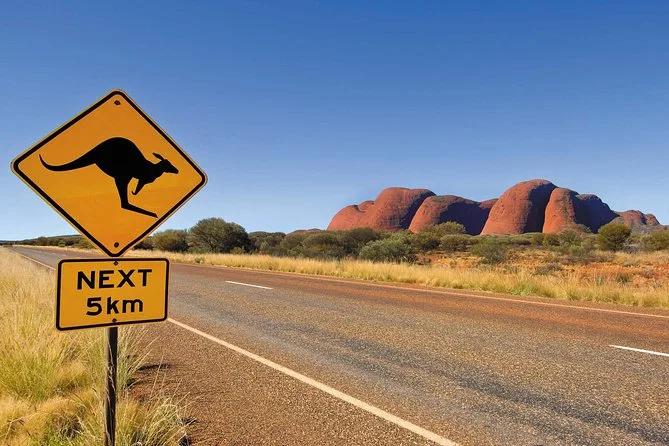
I’d always wondered if the Red Centre would feel as big as it looked in photos. Turns out, it’s even bigger — not just the space but the quiet. When we rolled out of Alice Springs that morning, I was half-awake and already dusty. Our guide, Jamie (who somehow knew every bird call), had us laughing before we’d even hit the highway. By the time we reached Kata Tjuta, those domes looked unreal against the sky — like someone stacked giant boulders just to mess with you. The wind there smelled dry and sharp, and my shoes picked up this fine red grit that stuck around for days.
Sunset at Uluru wasn’t what I expected. Everyone talks about the colors — yeah, they’re wild — but it was more about how quiet everyone got. We sat with snacks (I still think about those damper rolls) and watched the rock change from orange to this deep purple-red I’ve never seen anywhere else. Someone tried to name all the shades out loud but gave up halfway through. That night in camp, dinner under a sky so full of stars it almost felt fake… except you could hear people snoring in nearby tents and someone’s phone playing Midnight Oil quietly (not sure who).
The next morning was early — like “why am I awake?” early — but walking around Uluru’s base in that cool air made me forget my grumbling. Our Aboriginal guide shared stories about the rock’s meaning; I tried repeating one of the words back and Li laughed when I butchered it (fair). Later at the Cultural Centre, I bought a small painting from an artist who explained her family’s story behind it — way more personal than anything you’ll find in a shop window.
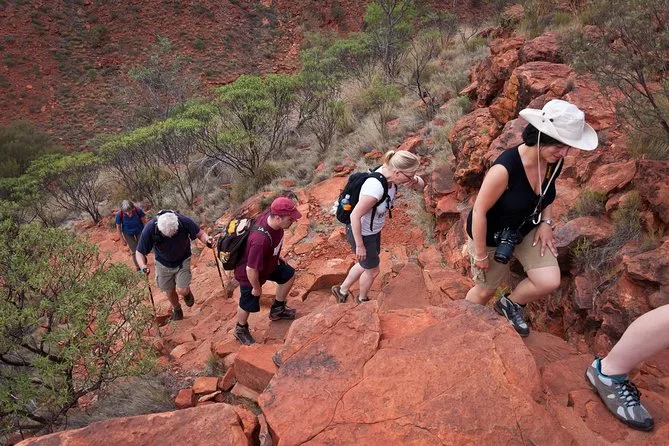
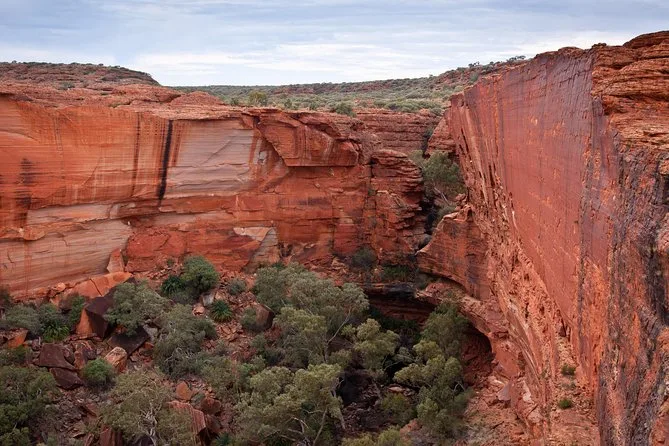
Kings Canyon felt different again: all sheer walls and hidden green pockets after so much red dust. The rim walk is no joke if you’re not used to hiking (my legs still remind me), but stopping at places called Garden of Eden or Lost City made me want to whisper instead of talk loud. Jamie pointed out tiny plants clinging to cracks — stuff you’d miss if you rushed. Lunch after felt earned; then we piled back into the bus for sleepy miles home, sunburnt and weirdly happy.
 3d
3d

Step-by-step itinerary
Day 1 — Travel to Uluru and Kata Tjuta hike
- Travel from Alice Springs to Uluru
- Hike at Kata Tjuta domes
- Enjoy sunset snacks at Uluru
Day 2 — Uluru sunrise and Kings Canyon travel
- Watch Uluru sunrise
- Walk around Uluru base
- Visit Uluru Cultural Centre
- Join cultural walk with Aboriginal guide
- Travel to Kings Canyon campsite
Day 3 — Kings Canyon guided rim walk
- Guided trek at Kings Canyon sites
- Lunch and rest
- Return to Alice Springs

Top questions

How long is the camping safari from Alice Springs?
The tour lasts just under three days, starting and ending in Alice Springs.
Is hotel pickup included for this Uluru camping tour?
Yes, pickup from Alice Springs is included at the start of your trip.
What kind of accommodation is provided?
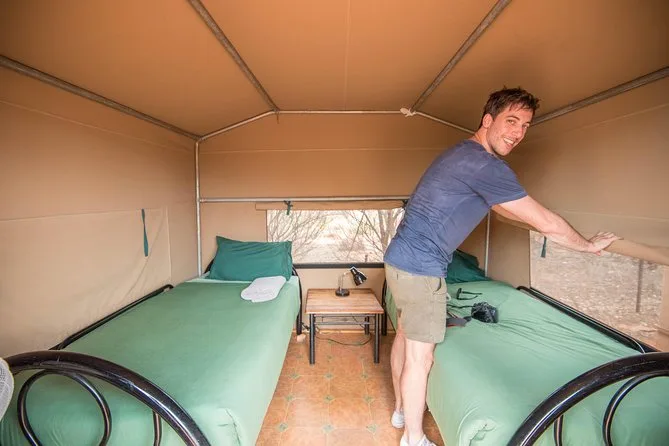
You’ll sleep in permanent twin-share tents with proper beds, linen, light and fan; facilities are shared.
Are meals included during the tour?
Dinners are included each night; snacks are provided during sunset at Uluru; lunches are also part of the package.
Do we visit both Uluru and Kings Canyon?
Yes, you’ll explore both Uluru (including sunrise/sunset) and do a guided rim walk at Kings Canyon.
Will there be an Aboriginal guide on this tour?
An interpretive cultural walk with an Aboriginal and Torres Strait Islander Guide is included near Uluru.
Is there free time at any stops?
You have time to explore art at the Uluru Cultural Centre or rest between walks.
How difficult are the hikes on this safari?
The hikes require moderate fitness; some walks like Kings Canyon Rim Walk can be challenging due to distance and heat.

What’s included
Your trip includes pickup from Alice Springs, all park entry fees, guided walks through Kata Tjuta, Uluru base walk at sunrise with an Aboriginal guide sharing stories along the way, visits to Watarrka (Kings Canyon) for rim hikes past spots like Garden of Eden and Lost City, two nights in twin-share tents with real beds (linen provided), plus group dinners under Outback stars before returning home sun-kissed and satisfied.
 Super deal
  Free booking, free cancellation.
  Don't lose your place.


 Do you need help planning your next activity?
  +507 6792-0894


