
Aruba Island: Trike Tour with Alto Vista Chapel & Glassblowing
 Super deal


Summary
Ride trikes to Aruba’s chapel lighthouse glassblowing & beaches
You’ll ride your own trike along Aruba’s coastal roads with a local guide, stopping at Alto Vista Chapel for panoramic views, watching artisans at a glassblowing workshop, and exploring (or skipping) the Aloe Factory if you want. Expect laughter, ocean air in your hair, and small moments you might not expect—plus pickup included.
 3h–3h 5m

Step-by-step itinerary
Day 1 — Trike tour with cultural visits
- Ride trike around Aruba
- Visit Alto Vista Chapel
- Explore California Lighthouse
- Climb rock formation viewpoint
- Watch glassblowing exhibition
- Tour Aloe Factory (optional)

Top questions

Is this Aruba trike tour suitable for beginners?
Yes, no prior experience is needed—the guide gives instructions before starting.
Does the tour include entry fees or snacks?
Entry fees are included where needed; snacks are available for purchase at stops.
Are hotel pickups included in this Aruba guided trike tour?
Yes, private transportation with pickup is included in your booking.
Can children join this Aruba trike experience?
Infants and small children can ride in a pram or stroller; check with operator for age limits on trikes themselves.
Is the Aruba Aloe Factory visit mandatory?
No—the Aloe Factory stop is optional during your tour route.
What languages do guides speak on this day trip?
Tours are available in English, Spanish, and Italian with in-person guides.
How long does each stop last during the tour?
Each attraction stop varies; typically 20–40 minutes depending on group interest.
Is this Aruba island tour wheelchair accessible?
Yes—all areas and transportation options are wheelchair accessible.

What’s included
Your day includes private transportation with pickup from your hotel or nearby point, an English-, Spanish-, or Italian-speaking local guide throughout your ride around Aruba’s main sights like Alto Vista Chapel and California Lighthouse, plus optional stops like the Aloe Factory and glassblowing workshop—with plenty of chances to pause for photos or snacks along the way before returning after sunset.

I’ll be honest—I was a little nervous when I first saw those trikes lined up outside the hotel. They looked way cooler than anything I’d ever driven. Our guide, José, just grinned and said, “Don’t worry, you’ll get the hang of it before we hit Alto Vista Chapel.” And he was right. There’s something about feeling the wind off the Caribbean as you follow a line of other slightly awkward tourists that makes you forget you’re out of your comfort zone. The road up to the chapel was bumpy in places—my teeth rattled—but then we stopped and there it was: bright yellow against this blue sky that didn’t seem real.
José told us stories about Alto Vista Chapel—how locals still come here to leave flowers, even though most tourists just snap photos. Inside it smelled faintly of candles and old wood. I lingered outside for a bit; the ocean view from up there is wild and kind of humbling. After that we rumbled over to the California Lighthouse—some folks climbed up for the view (I skipped it, knees still wobbly from the trike). There were iguanas sunning themselves on rocks and someone selling coconut water out of a cooler. It all felt casual but special at the same time.
The glassblowing place was next—honestly, I thought it’d be touristy but watching them shape molten glass into these delicate swirly ornaments was hypnotic. The heat from the furnace made my face prickle. I tried to say “xièxiè” (thank you) to Li, one of the artists; she laughed so hard I almost dropped my phone taking her picture. We had snacks (not included but worth it) and swapped stories with another couple from Rotterdam who’d gotten lost on their last trip here.
We could’ve stopped at the Aruba Aloe Factory too—some did, some didn’t. José explained how aloe is everywhere here; even his grandma uses it for sunburns and mosquito bites. The smell inside is sharp and green somehow—I can’t describe it better than that. By then I’d gotten used to the trike’s handlebars and honestly didn’t want to give it back when we reached Eagle Beach at sunset. Still think about that breeze sometimes when I’m stuck in city traffic back home.
Similar tours
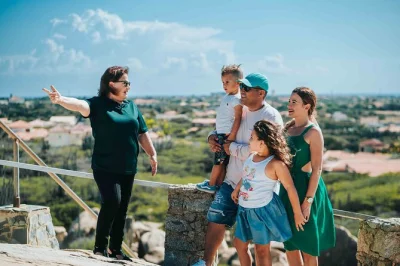 Aruba: Island Highlights Tour from Oranjestad with Pickup
★★★★★★★★★★ 4.74 (1479) From US$ 55
Aruba: Island Highlights Tour from Oranjestad with Pickup
★★★★★★★★★★ 4.74 (1479) From US$ 55
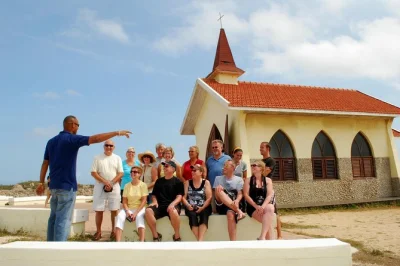 Aruba: Island Bus Tour with Lighthouse, Chapel & Aloe Museum
★★★★★★★★★★ 4.68 (378) From US$ 49
Aruba: Island Bus Tour with Lighthouse, Chapel & Aloe Museum
★★★★★★★★★★ 4.68 (378) From US$ 49
 Aruba Countryside Tour: California Lighthouse, Alto Vista & Aloe Factory
★★★★★★★★★★ 4.70 (621) From US$ 49
Aruba Countryside Tour: California Lighthouse, Alto Vista & Aloe Factory
★★★★★★★★★★ 4.70 (621) From US$ 49
 Aruba: Private Island Tour with Custom Itinerary & Pickup
★★★★★★★★★★ 4.90 (102) From US$ 420
Aruba: Private Island Tour with Custom Itinerary & Pickup
★★★★★★★★★★ 4.90 (102) From US$ 420
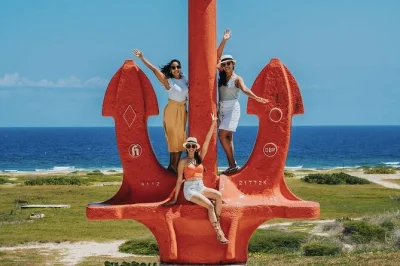 Aruba: Full Island Day Tour with Baby Beach & Aloe Factory
★★★★★★★★★★ 4.73 (1584) From US$ 58.65
Aruba: Full Island Day Tour with Baby Beach & Aloe Factory
★★★★★★★★★★ 4.73 (1584) From US$ 58.65
 Aruba Island Tour: Ostrich Farm, Gold Ruins & Aloe Factory
★★★★★★★★★★ 4.82 (207) From US$ 70
Aruba Island Tour: Ostrich Farm, Gold Ruins & Aloe Factory
★★★★★★★★★★ 4.82 (207) From US$ 70
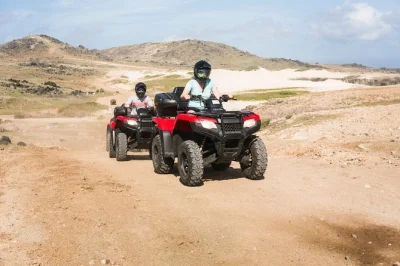 Aruba North Shore: ATV & UTV Adventure with Aloe Factory
★★★★★★★★★★ 4.93 (199) From US$ 77.50
Aruba North Shore: ATV & UTV Adventure with Aloe Factory
★★★★★★★★★★ 4.93 (199) From US$ 77.50
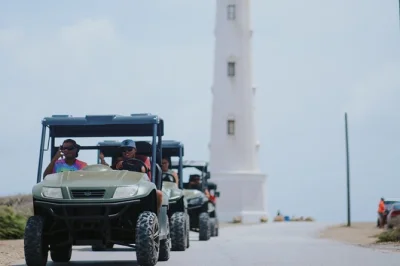 Aruba UTV Small-Group Adventure: Off-Road Tour Max 4 Vehicles
★★★★★★★★★★ 5.00 (171) From US$ 256
Aruba UTV Small-Group Adventure: Off-Road Tour Max 4 Vehicles
★★★★★★★★★★ 5.00 (171) From US$ 256
 Aruba: Harley-Davidson Island Tour with Local Guide & Pickup
★★★★★★★★★★ 4.91 (116) From US$ 220
Aruba: Harley-Davidson Island Tour with Local Guide & Pickup
★★★★★★★★★★ 4.91 (116) From US$ 220
 Aruba: Baby Beach Express Tour with Aloe Museum & Donkey Sanctuary
★★★★★★★★★★ 4.65 (110) From US$ 55
Aruba: Baby Beach Express Tour with Aloe Museum & Donkey Sanctuary
★★★★★★★★★★ 4.65 (110) From US$ 55
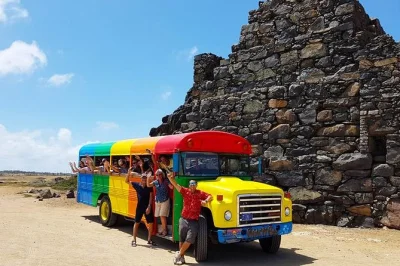 Aruba: Beach Bus Sightseeing Tour & Snorkeling with Pickup
★★★★★★★★★★ 4.69 (789) From US$ 65.98
Aruba: Beach Bus Sightseeing Tour & Snorkeling with Pickup
★★★★★★★★★★ 4.69 (789) From US$ 65.98
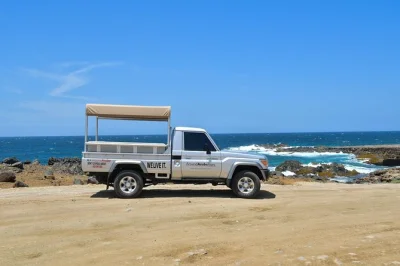 Aruba: Jeep Safari to Conchi Pool, Lighthouse & Ruins
★★★★★★★★★★ 4.87 (285) From US$ 121.80
Aruba: Jeep Safari to Conchi Pool, Lighthouse & Ruins
★★★★★★★★★★ 4.87 (285) From US$ 121.80


 Do you need help planning your next activity?


