
Cabo San Pablo & Estancia Pirinaica: Shipwreck, Lighthouse & Ranch Day Trip
 Super deal


Summary
Shipwrecks and sheep on Tierra del Fuego’s wild edge
You’ll set out from Ushuaia before sunrise for a day trip across Tierra del Fuego—spotting guanacos on remote roads, sharing snacks by wild rivers, climbing up to an old lighthouse above Cabo San Pablo, exploring the haunting Desdemona shipwreck, then sitting down to fresh fish lunch with local families before visiting Estancia Pirinaica’s working ranch. It’s raw, windswept country—and you’ll feel part of its story.
 9h
9h

Step-by-step itinerary
Day 1 — Full day tour to Cabo San Pablo and Estancia Pirinaica
- Leave Ushuaia after breakfast
- Travel along National Route 3
- Short break for toilets
- Drive Ruta de las Estancias, see wildlife
- Stop at Cabo Ladrillero for snack
- Walk and explore Cabo Ladrillero
- Visit San Pablo Lighthouse
- Walk to lighthouse top, see Desdémona shipwreck
- Lunch at Casa del Pescador with local fish dishes
- Tour outside of Desdémona shipwreck
- Visit Estancia Pirinaica, explore ranch facilities
- Enjoy ranch-style snack with regional products
- Return to Ushuaia, arrive around 6 p.m.

Top questions

How long is the drive from Ushuaia to Cabo San Pablo?
It takes several hours with stops along National Route 3 and Complementary Route A; expect a full-day outing returning around 6 p.m.
Is lunch included on this day trip?
Yes, lunch is included at La Casa del Pescador with local fish specialties like smoked bass empanadas and bass pizza.
Can you visit inside the Desdemona shipwreck?
No, you tour around the outside of the Desdemona shipwreck for safety reasons.
What animals might you see during this tour?
You may spot guanacos, foxes, sheep herds, condors, and sometimes other local wildlife along the route.
Is hotel pickup provided in Ushuaia?
Yes, hotel pickup from Ushuaia is included in your day trip booking.
Are there vegetarian options for lunch?
The main focus is local fish dishes; specific vegetarian options aren’t listed so check ahead if needed.
Is this tour suitable for children or people with mobility needs?
The tour is wheelchair accessible; infants can ride in prams or strollers and specialized infant seats are available.
What is included at Estancia Pirinaica?
You’ll visit workspaces like shearing sheds and carpentry areas; enjoy a country-style snack with regional products made locally.

What’s included
Your day includes early morning hotel pickup from Ushuaia, all transport along National Route 3 and Complementary Route A to Cabo San Pablo and Estancia Pirinaica, guided walks at each stop including time at the Desdemona shipwreck and lighthouse (tide permitting), plus a country breakfast at Estancia Pirinaica and fresh-caught fish lunch at La Casa del Pescador before heading back in the evening.

I nearly missed my coffee because I was so distracted by the way the sky looked—just this streaky pink over Ushuaia as we all bundled into the van. Our guide, Martín, had that easygoing way that makes you feel like you’re tagging along with a friend who happens to know every twist of National Route 3. He pointed out guanacos grazing in the mist (I counted at least eight, but Martín said there were probably more hiding), and every so often we’d pass a lonely estancia or see foxes darting near the road. The air smelled sharp, almost metallic, which I didn’t expect.
We stopped at Cabo Ladrillero for what they called a “country snack”—thick bread, cheese that tasted faintly of smoke, and something sweet I still can’t name. The river there was glassy and cold; I tried to skip a stone but it just plopped. Martín laughed and showed me how he used to do it as a kid. From there, we wound through lenga forests toward Cabo San Pablo. The old lighthouse came into view first—leaning a bit like it’s tired of standing—and then the Desdemona shipwreck appeared out of nowhere. It’s rusted and massive, stranded since the ‘80s. There’s something eerie about seeing it up close with only wind and gulls for company.
Lunch was at La Casa del Pescador—a tiny place run by fishermen’s families where everyone seemed to know each other. They served smoked bass empanadas (I tried saying “róbalo” right; pretty sure I failed) and bass pizza that was salty and perfect after all that sea air. There was this big window facing the Desdemona—felt like eating lunch inside someone else’s story. Afterward, we visited Estancia Pirinaica. Sheep everywhere, plus an old shearing shed that smelled of wool and wood oil. The owners poured us strong tea and passed around homemade cakes while telling stories about storms and stubborn sheepdogs.
The drive back felt quieter somehow—I watched clouds roll in over Lake Fagnano while Martín hummed along to an old song on the radio. I keep thinking about that moment standing by the shipwreck with my hands in my pockets, feeling small but oddly content.
Similar tours
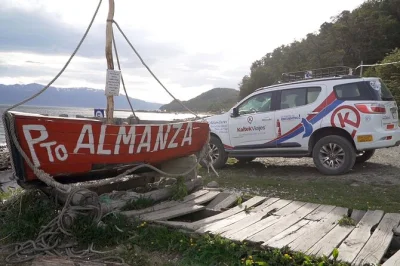 Ushuaia Crab Route: Tierra del Fuego 4x4, Waterfall & Beagle Channel Lunch
★★★★★★★★★★ 4.76 (264) From US$ 140
Ushuaia Crab Route: Tierra del Fuego 4x4, Waterfall & Beagle Channel Lunch
★★★★★★★★★★ 4.76 (264) From US$ 140
 Ushuaia Lakes 4WD Adventure & Lunch at Lake Fagnano
★★★★★★★★★★ 4.80 (213) From US$ 130
Ushuaia Lakes 4WD Adventure & Lunch at Lake Fagnano
★★★★★★★★★★ 4.80 (213) From US$ 130
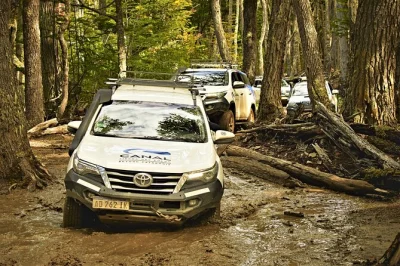 Ushuaia Lakes District: 4x4 Off-Road Day Tour with Asado Lunch
★★★★★★★★★★ 4.83 (194) From US$ 165
Ushuaia Lakes District: 4x4 Off-Road Day Tour with Asado Lunch
★★★★★★★★★★ 4.83 (194) From US$ 165
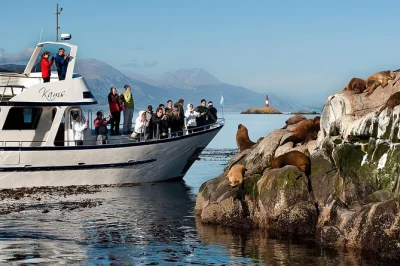 Beagle Channel: Small-Group Yacht Tour & Minitrek Ushuaia
★★★★★★★★★★ 4.80 (708) From US$ 92.86
Beagle Channel: Small-Group Yacht Tour & Minitrek Ushuaia
★★★★★★★★★★ 4.80 (708) From US$ 92.86
 Tierra del Fuego: Small Group Tour & End of the World Train
★★★★★★★★★★ 4.89 (129) From US$ 64
Tierra del Fuego: Small Group Tour & End of the World Train
★★★★★★★★★★ 4.89 (129) From US$ 64
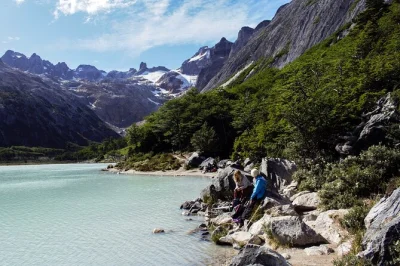 Ushuaia: Emerald Lagoon Trek & Fuegian Valley Hike with Lunch
★★★★★★★★★★ 4.94 (140) From US$ 124
Ushuaia: Emerald Lagoon Trek & Fuegian Valley Hike with Lunch
★★★★★★★★★★ 4.94 (140) From US$ 124
 Ushuaia: Tierra del Fuego Day Trip & Lapataia Bay Stop
★★★★★★★★★★ 4.65 (119) From US$ 75
Ushuaia: Tierra del Fuego Day Trip & Lapataia Bay Stop
★★★★★★★★★★ 4.65 (119) From US$ 75
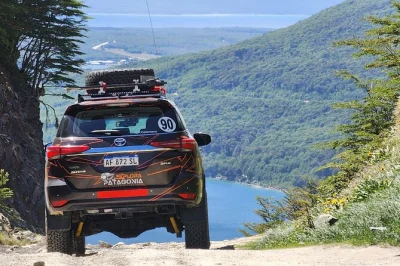 4x4 Off Road Adventure: Escondido & Fagnano Lakes from Ushuaia
★★★★★★★★★★ 4.72 (32) From US$ 183.10
4x4 Off Road Adventure: Escondido & Fagnano Lakes from Ushuaia
★★★★★★★★★★ 4.72 (32) From US$ 183.10
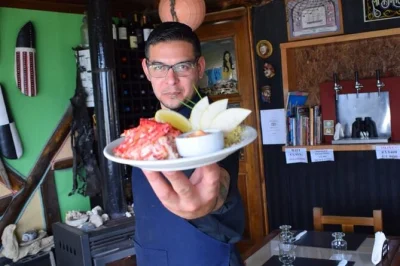 Puerto Almanza King Crab Cooking Tour & Lunch from Ushuaia
★★★★★★★★★★ 4.07 (28) From US$ 200
Puerto Almanza King Crab Cooking Tour & Lunch from Ushuaia
★★★★★★★★★★ 4.07 (28) From US$ 200
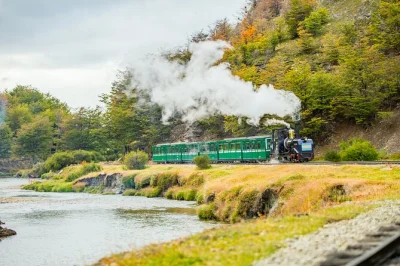 Ushuaia: End of the World Train & Tierra del Fuego Day Trip
★★★★★★★★★★ 4.80 (223) From US$ 145
Ushuaia: End of the World Train & Tierra del Fuego Day Trip
★★★★★★★★★★ 4.80 (223) From US$ 145
 Ushuaia: Beagle Channel yacht tour with guide & stops
★★★★★★★★★★ 4.71 (24) From US$ 85
Ushuaia: Beagle Channel yacht tour with guide & stops
★★★★★★★★★★ 4.71 (24) From US$ 85
 Ushuaia: Vinciguerra Glacier Ice Trek & Laguna de los Témpanos
★★★★★★★★★★ 4.95 (238) From US$ 140
Ushuaia: Vinciguerra Glacier Ice Trek & Laguna de los Témpanos
★★★★★★★★★★ 4.95 (238) From US$ 140


 Do you need help planning your next activity?


