

 +507 6792-0894


Buenos Aires: South City Bike Tour with Caminito & La Boca


Summary
Cycle Buenos Aires history from Plaza de Mayo to La Boca’s colors
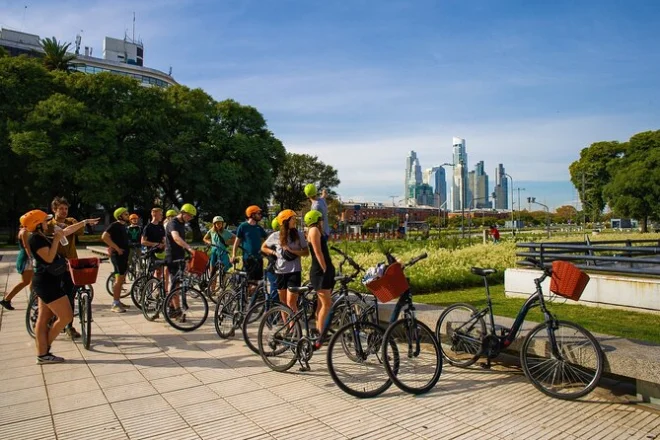
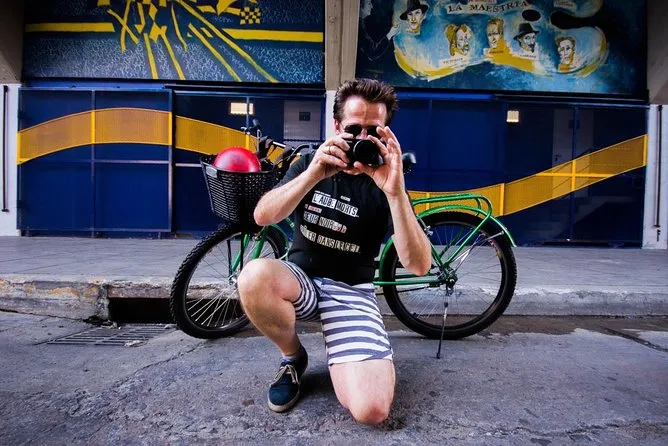
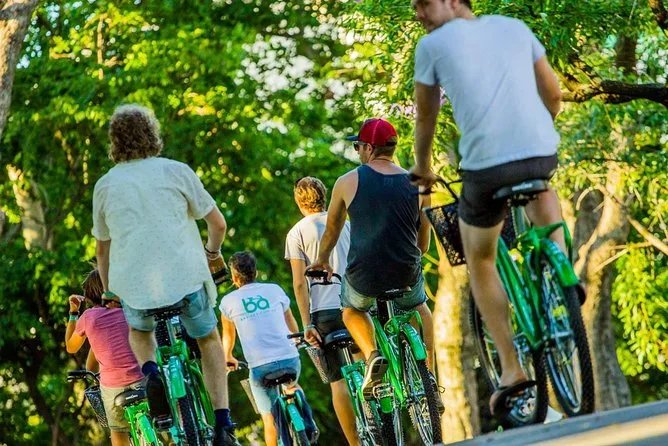
You’ll pedal through Buenos Aires’ most storied neighborhoods with a local guide—past Plaza de Mayo’s history, San Telmo’s market streets, Caminito’s wild colors, and Puerto Madero’s riverside calm. Expect laughter over language mix-ups, real stories behind famous landmarks, and time to taste street snacks before rolling back with city dust on your shoes.

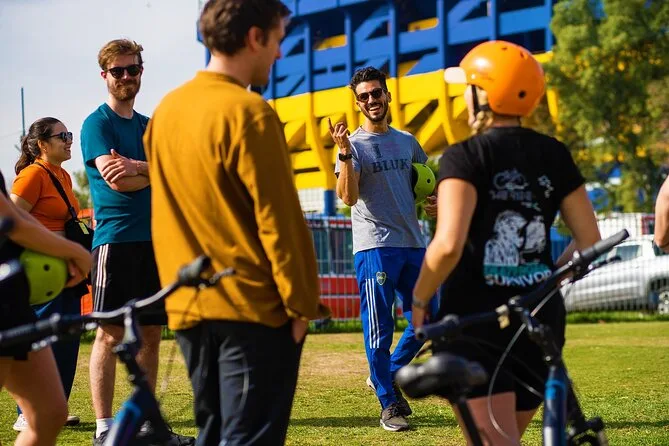
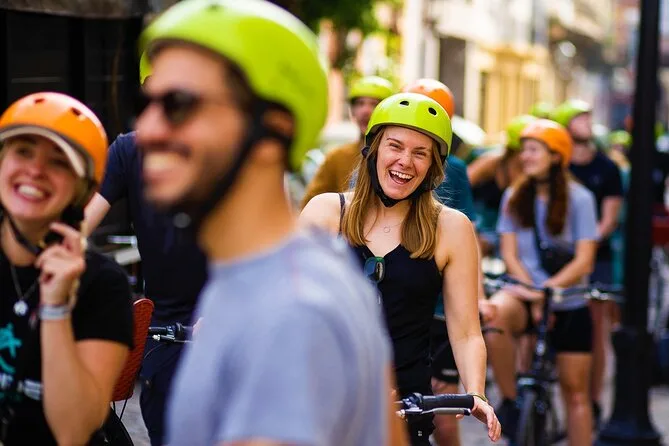
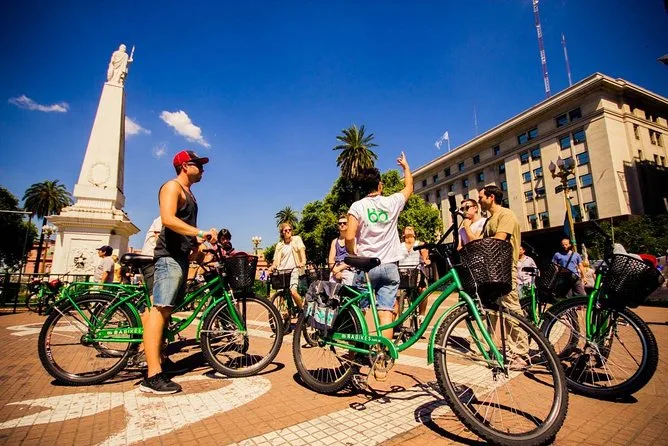
The first thing that hit me was the sound — not traffic, but this wild mix of Spanish chatter and old tango drifting from an open window as we adjusted our helmets outside the bike shop. Our guide, Martín, handed out maps with a grin and told us not to worry about getting lost — “the city will find you,” he said. I liked that. My handlebars felt a bit wobbly at first (I hadn’t biked in months), but the energy on Avenida 9 de Julio — so wide it almost felt like crossing a river — sort of pulled me along. We stopped under Evita’s mural, her face huge against the ministry building, and Martín explained how people still leave flowers there sometimes. A bus rumbled past and I caught this whiff of diesel mixed with sweet pastries from a nearby kiosk.
Plaza de Mayo was next — pigeons everywhere, kids chasing them while their parents sipped mate on the benches. Martín pointed out the Casa Rosada and told us about the mothers who march every Thursday for their missing children. I’d read about them before but seeing those white scarves painted on the square made it real in a way books never did. We coasted down Defensa Street into San Telmo; Sunday market stalls were just packing up but you could still smell grilled chorizo in the air. I tried saying “choripán” with my best accent and Li (another rider) laughed — pretty sure I butchered it.
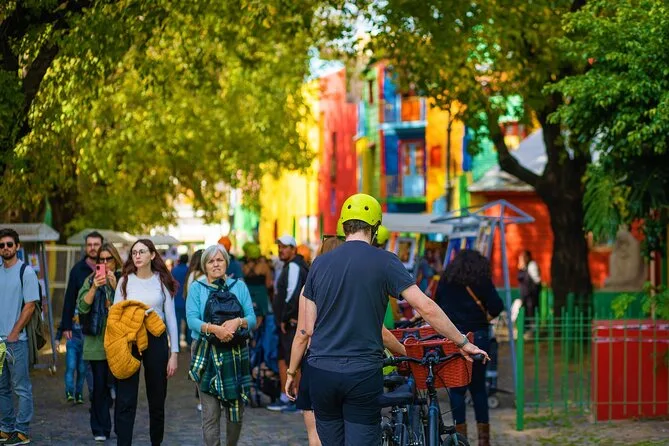
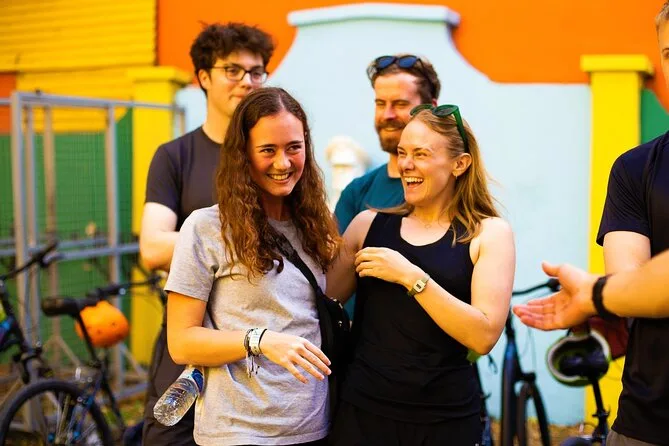
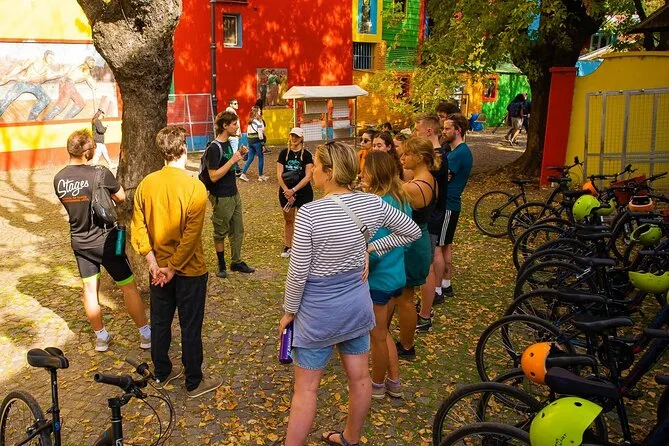
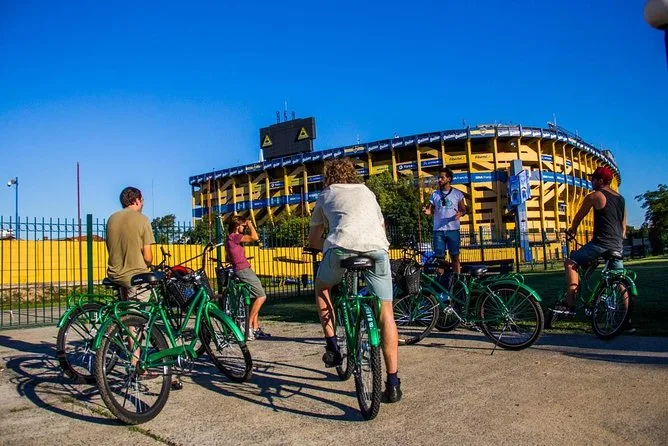
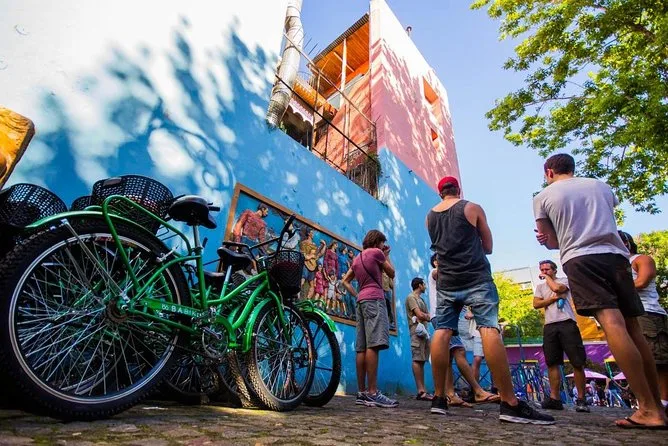
Somewhere near Parque Lezama, clouds started piling up but nobody seemed to mind. The park was full of couples dancing quietly under the trees — not for show, just because they wanted to. Then we reached La Bombonera Stadium; even from outside you could feel this buzz in the air, like everyone in Buenos Aires is secretly thinking about football all day long. Caminito was louder than anywhere else: painted houses stacked like toy blocks, tango dancers posing for photos, someone selling empanadas out of a blue cart. We took a break there (20 minutes or so), just enough time for an alfajor and some people-watching.
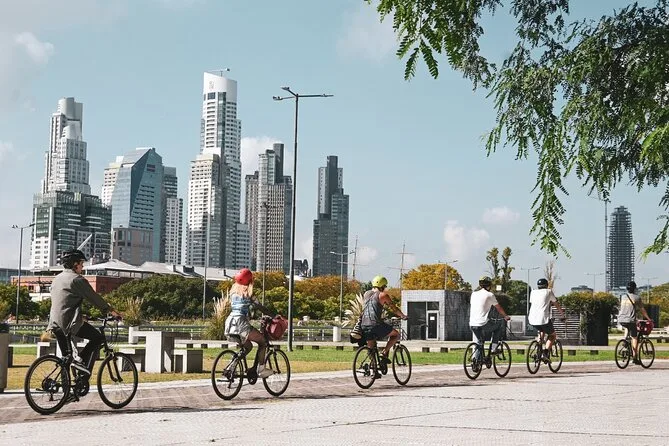
Puerto Madero felt almost too new after all that color — glass towers reflecting gray sky and wind off the river. Martín showed us Puente de la Mujer; he said it’s supposed to look like a couple dancing tango but honestly I only saw it after he pointed it out. By then my legs were tired in that good way and my hair smelled faintly of rain and coffee from somewhere along Costanera. I still think about that stretch between old Buenos Aires and new — how fast everything changes here, but also how some things (like football or tango or sharing mate) just stick around no matter what.
 4h
4h

Step-by-step itinerary
Day 1 — Bike tour through South Buenos Aires
- Pick up bikes and helmets
- Ride along Avenida 9 de Julio
- Visit Plaza de Mayo
- Explore Plaza Dorrego and Defensa street
- Visit Parque Lezama
- View La Bombonera Stadium from Plaza Irala
- Break at Caminito
- See Puerto Madero and Puente de la Mujer

Top questions

How long is the Buenos Aires bike tour?
The bike tour lasts approximately 4 hours.
Is this Buenos Aires bike tour suitable for beginners?
Yes, it's suitable for all physical fitness levels.
What areas does the South City Bike Tour cover?
The route includes Plaza de Mayo, San Telmo (Plaza Dorrego), Parque Lezama, La Boca (Caminito), La Bombonera Stadium, Puerto Madero, and Avenida 9 de Julio.
Is there a break during the tour?
Yes, there's a 20-minute break at Caminito in La Boca.
Are bikes and helmets provided?
Yes, both bikes and helmets are included in your booking.
Does the tour operate in bad weather?
The tour operates in all weather conditions; dress appropriately.
What is the minimum age for participants?
The minimum age is 12 years old.
Does the tour include food or drinks?
A bottle of water is included; food can be purchased during breaks if you wish.

What’s included
Your day includes use of a bicycle fitted to your size plus helmet for safety; bottled water to keep you going; guidance from a knowledgeable local who shares stories as you ride; all logistics handled so you can focus on soaking up Buenos Aires’ rhythm without worrying about maps or traffic lights.
 Super deal
  Free booking, free cancellation.
  Don't lose your place.


 Do you need help planning your next activity?
  +507 6792-0894


